The smallest dog breeds include the Chihuahua, Pomeranian, Maltese, and Toy Poodle, but a few pounds tell you surprisingly little about daily life. A Papillon may want another training game while a Japanese Chin is ready for a quieter afternoon. Coat care, social confidence, and safe handling can matter more than which dog weighs least.
This guide covers ten very small breeds found in the United States. It is an editorial selection, not a scientifically exact ranking of the world’s ten smallest breeds. We begin with familiar tiny companions, then explore several less familiar options. Their sizes overlap, and individual adults can fall outside published reference figures.
Small dogs are easier to lift and need smaller equipment, yet they still need exercise, training, dental care, and protection from accidental injury. Start with the routine you can provide, then meet the individual dog.
Smallest Dog Breeds: Size and Care Comparison
Heights are measured at the shoulder. The figures below follow U.S. registry breed profiles; a stated maximum or single reference weight is not a guaranteed adult size. These are adult figures, not puppy purchase targets. Temperament and coat-care summaries are practical planning descriptions, not compatibility scores.
| Breed | Height | Weight | Temperament | Coat care |
|---|---|---|---|---|
| Chihuahua | 5–8 in | Not exceeding 6 lb | Alert; closely attached | Smooth: simpler brushing; long: feathering care |
| Yorkshire Terrier | 7–8 in | 7 lb reference | Inquisitive; persistent terrier | Daily combing if long; regular trims |
| Pomeranian | 6–7 in | 3–7 lb | Lively; watchful | Frequent double-coat brushing |
| Maltese | 7–9 in | Under 7 lb | Playful; people-oriented | Daily combing if long; regular grooming |
| Toy Poodle | No more than 10 in | 4–6 lb | Responsive; mentally active | Regular brushing, combing, and clipping |
| Papillon | 8–11 in | 5–10 lb | Engaged; athletic | Regular brushing; check feathering |
| Brussels Griffon | 7–10 in | 8–10 lb | Sensitive; closely bonded | Rough: shaping and brushing; smooth: simpler |
| Japanese Chin | 8–11 in | 7–11 lb | Graceful; often measured | Regular silky-coat brushing |
| Affenpinscher | 9–11.5 in | 7–10 lb | Curious; independent | Rough-coat brushing and shaping |
| Russian Toy | 8–11 in | Up to 6.5 lb | Lively; may be reserved | Smooth: modest; long: fringe care |
Do not ask a breeder to produce the bottom end of a range. Healthy structure, appropriate weight for the individual, and documented health screening deserve priority. For an adult rescue dog, actual measurements and caregiver observations are more useful than a predicted breed average.
10 Very Small Dog Breeds to Get to Know
1. Chihuahua
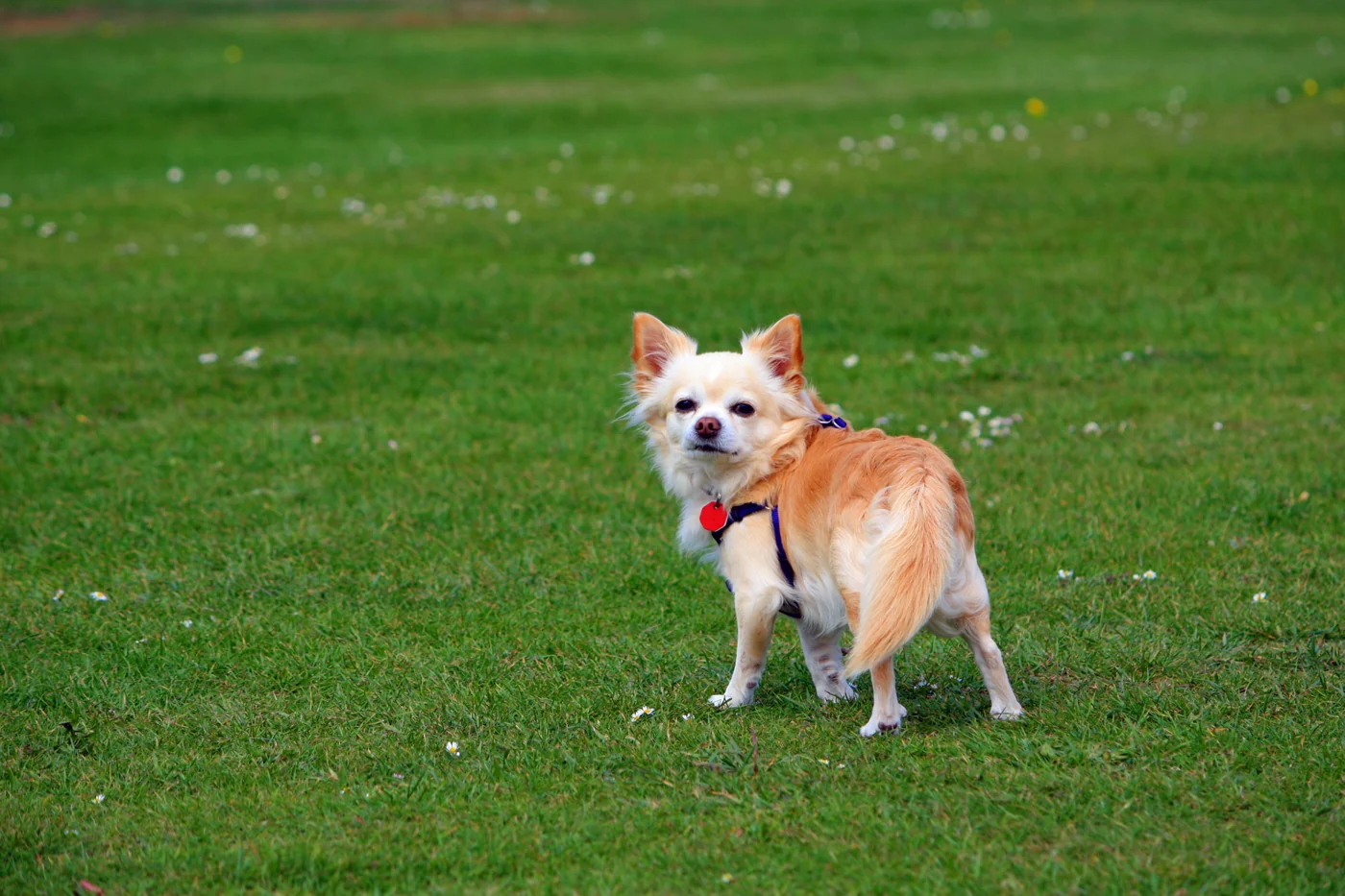
Size: 5–8 inches; not exceeding 6 pounds in the registry profile. Developed in Mexico, the Chihuahua comes in smooth and long coats. Its small frame often carries an alert, expressive personality and a strong attachment to familiar people.
A Chihuahua may happily explore with its family while taking more time with visitors. Let unfamiliar people offer space rather than immediately reaching down or picking the dog up. Children should learn to invite contact while sitting on the floor; a close bond does not protect this tiny dog from being dropped or stepped on.
Short walks, sniffing, and small games provide useful activity. Reward coming when called, settling, and comfortable handling. Picking the dog up whenever it hesitates can limit opportunities to learn; arrange safe, gradual experiences instead. Toilet training needs predictable access and patient rewards, without punishment for accidents.
The smooth coat usually needs less brushing than the long coat, which can tangle around feathered areas. Both need nail and dental care. Ask about patella, heart, and eye screening, and discuss the individual’s dental health with a veterinarian.
Appeal and challenge: Portable, engaging companionship comes with physical vulnerability and a need for considerate socialization. Best fit: Adults who enjoy a closely involved companion and can enforce gentle handling. Explore the Chihuahua profile.
2. Yorkshire Terrier
Size: 7–8 inches; a reference weight of 7 pounds. The Yorkshire Terrier developed in northern England as a small ratter. Beneath the silky coat is a curious terrier with opinions about interesting smells, approaching people, and whatever moves nearby.
Many Yorkies enjoy participating in household activity, including games with considerate children. However, adults must prevent rough carrying and play with much larger dogs. Early, comfortable exposure to visitors and other animals helps channel alertness without expecting every Yorkie to welcome every encounter.
Daily walks, searching for scattered kibble, and short training sessions suit an inquisitive dog. Practice a recall and reward quiet pauses before barking becomes the main way to request attention. Terrier persistence can be entertaining during learning and frustrating when household rules change from person to person.
A long coat needs daily brushing and combing. A shorter pet trim reduces tangling but still requires upkeep and grooming appointments. Ask about documented knee and eye evaluations, and include teeth in the veterinary care plan. Small size does not make grooming or medical costs negligible.
Appeal and challenge: Spirited involvement comes with coat work and consistent teaching. Best fit: Someone who wants a lively participant and can maintain the silky coat. Read the Yorkshire Terrier profile.
3. Pomeranian
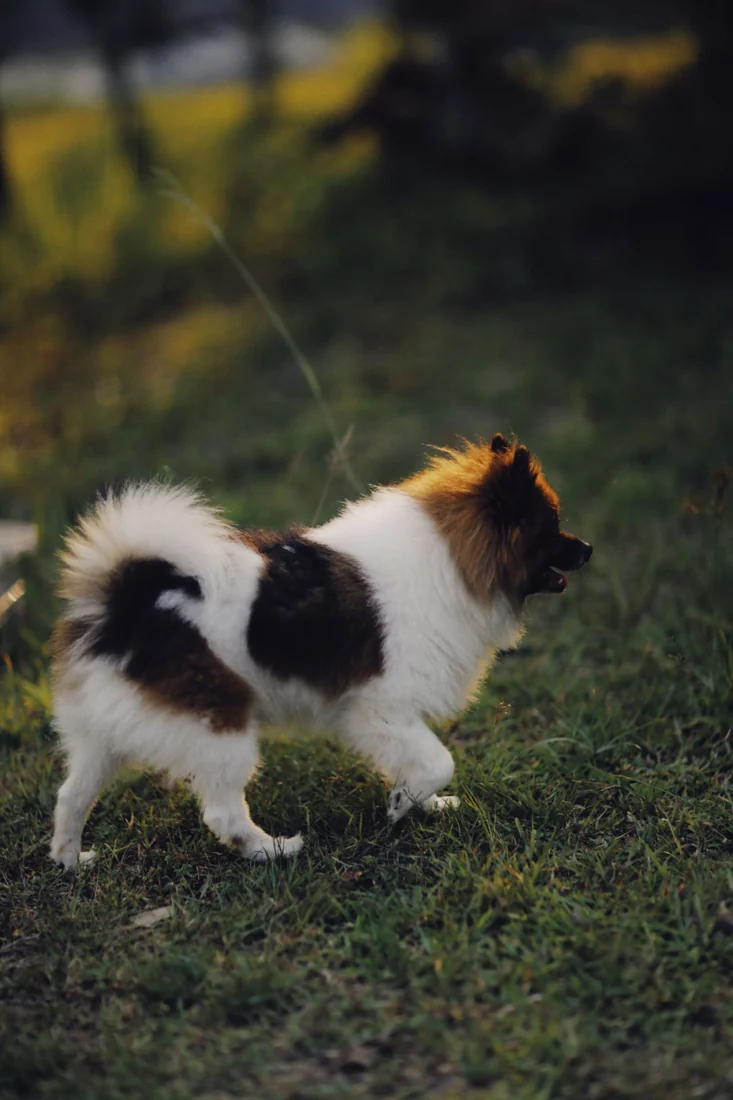
Size: 6–7 inches; 3–7 pounds. The Pomeranian is a miniature spitz associated with Pomerania in northeastern Europe. Its upright ears, plumed tail, and abundant double coat frame an observant, lively companion.
Poms often notice sounds quickly and enjoy getting a response from their people. Teach a calm response to arrivals instead of encouraging every alert. Children need to understand that a fluffy appearance does not make the dog a stuffed animal. Supervise play and prevent launches from furniture.
Walks, indoor games, and trick lessons can provide satisfying activity. Many learn eagerly, although reliable toilet habits need consistency. Introduce different surfaces, people, and ordinary household noises at a comfortable pace. Secure gaps in fencing before allowing supervised exploration.
Brush through the double coat rather than skimming the outer hair. Check friction areas for tangles, and plan additional brushing during shedding. Ask a knowledgeable groomer for a manageable routine. Relevant health discussions include knees, heart, eyes, and any persistent cough or unexplained hair loss; symptoms need assessment rather than an online diagnosis.
Appeal and challenge: An expressive, trainable companion brings both vocal tendencies and substantial coat maintenance. Best fit: Owners who enjoy grooming and teaching an alert small dog to settle. See the Pomeranian profile.
4. Maltese
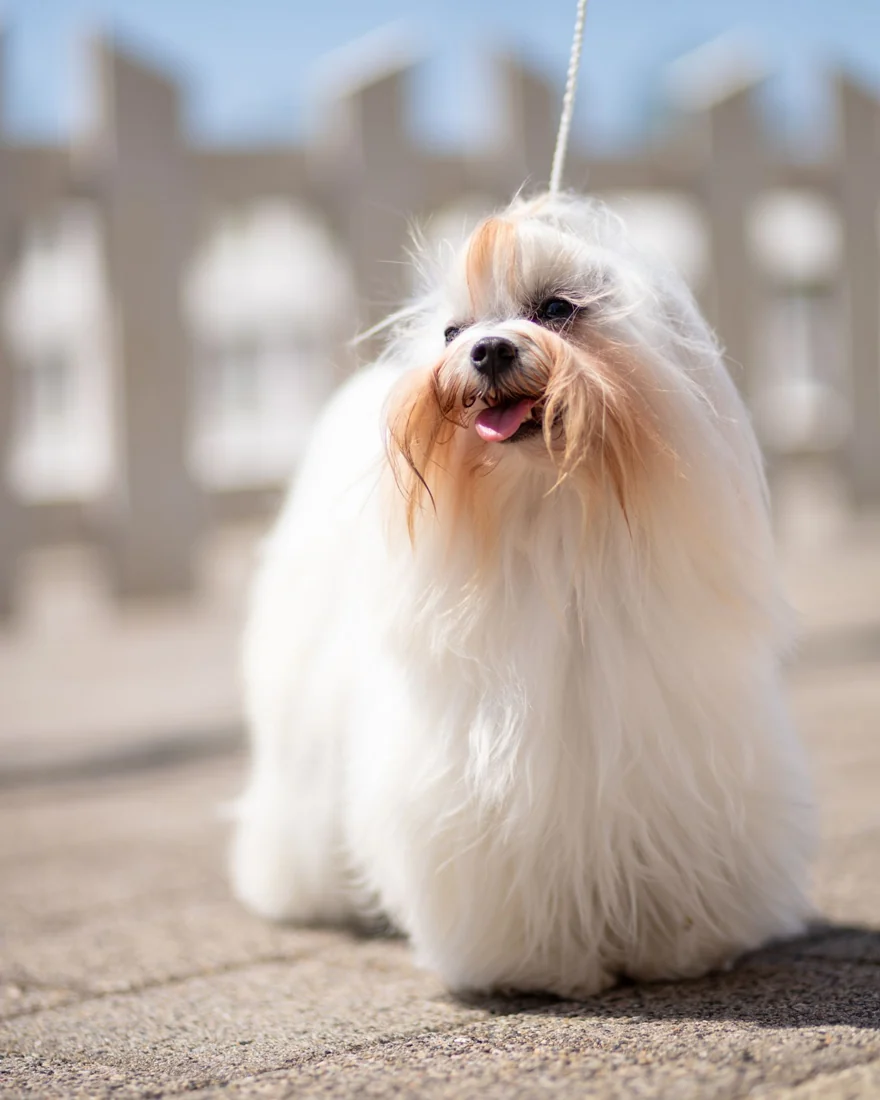
Size: 7–9 inches; under 7 pounds. With a long history as a Mediterranean companion associated with Malta, the Maltese is known for a white, silky coat and a playful interest in familiar people.
Many enjoy close company, but friendliness does not make constant handling comfortable. Offer a resting place where children cannot disturb the dog. Arrange gentle introductions to animals and visitors. Begin brief, comfortable periods of independence rather than assuming a companion breed can automatically manage a full day alone.
Daily walks and small games can fit an active but manageable routine. Maltese can enjoy tricks and reward-based training, sometimes with more determination than their delicate appearance suggests. Keep lessons clear and upbeat, including practice accepting a brush, having paws touched, and returning when called.
A full coat needs daily gentle combing to the skin. A shorter trim remains a grooming commitment. Keep the eye area clean; persistent staining or irritation warrants veterinary advice. Ask about patella and cardiac screening and serum bile-acid testing, which addresses particular liver concerns. These records support informed questions, not a guarantee of lifelong health.
Appeal and challenge: Affectionate, playful company comes with frequent coat care and time together. Best fit: Someone able to provide company, gradual independence training, and dependable grooming. Visit the Maltese profile.
5. Toy Poodle
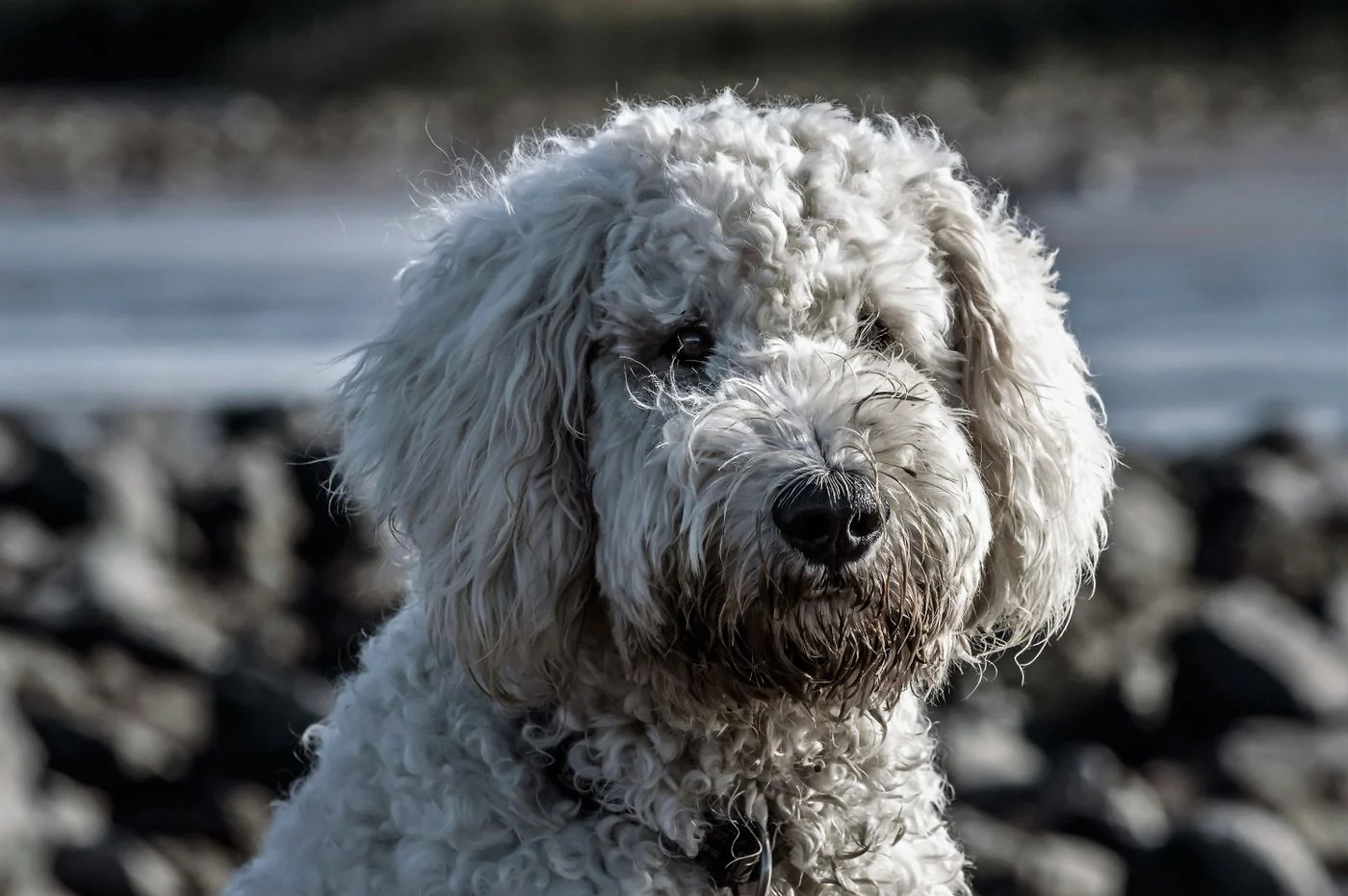
Size: No more than 10 inches; 4–6 pounds. The Toy is a size variety of the Poodle, whose ancestry includes German water-retrieving dogs. The smaller variety retains an athletic build and a mind that often enjoys learning.
Training can become a rewarding part of the relationship. Rotate tricks, simple scent searches, and everyday manners rather than endlessly repeating one cue. Quick learning can also establish unwanted routines: teach quiet waiting and settling as deliberately as active games.
Provide daily walks and play matched to age and health. Introduce people, sounds, surfaces, and grooming equipment without overwhelming the dog. Family affection needs careful handling around children and larger pets; this is still a lightweight dog even when it seems fearless during a game.
The curly coat sheds relatively little, but loose hair can remain in the coat and form mats. Regular brushing, combing, and clipping are essential. No dog is guaranteed allergy-free. Ask about patella and eye evaluations and the relevant progressive retinal atrophy DNA test; a veterinarian can explain what each result does and does not establish.
Appeal and challenge: Learning enthusiasm comes with mental-engagement and grooming demands. Best fit: An owner who enjoys daily teaching and can budget for coat care. Explore the Toy Poodle profile.
6. Papillon
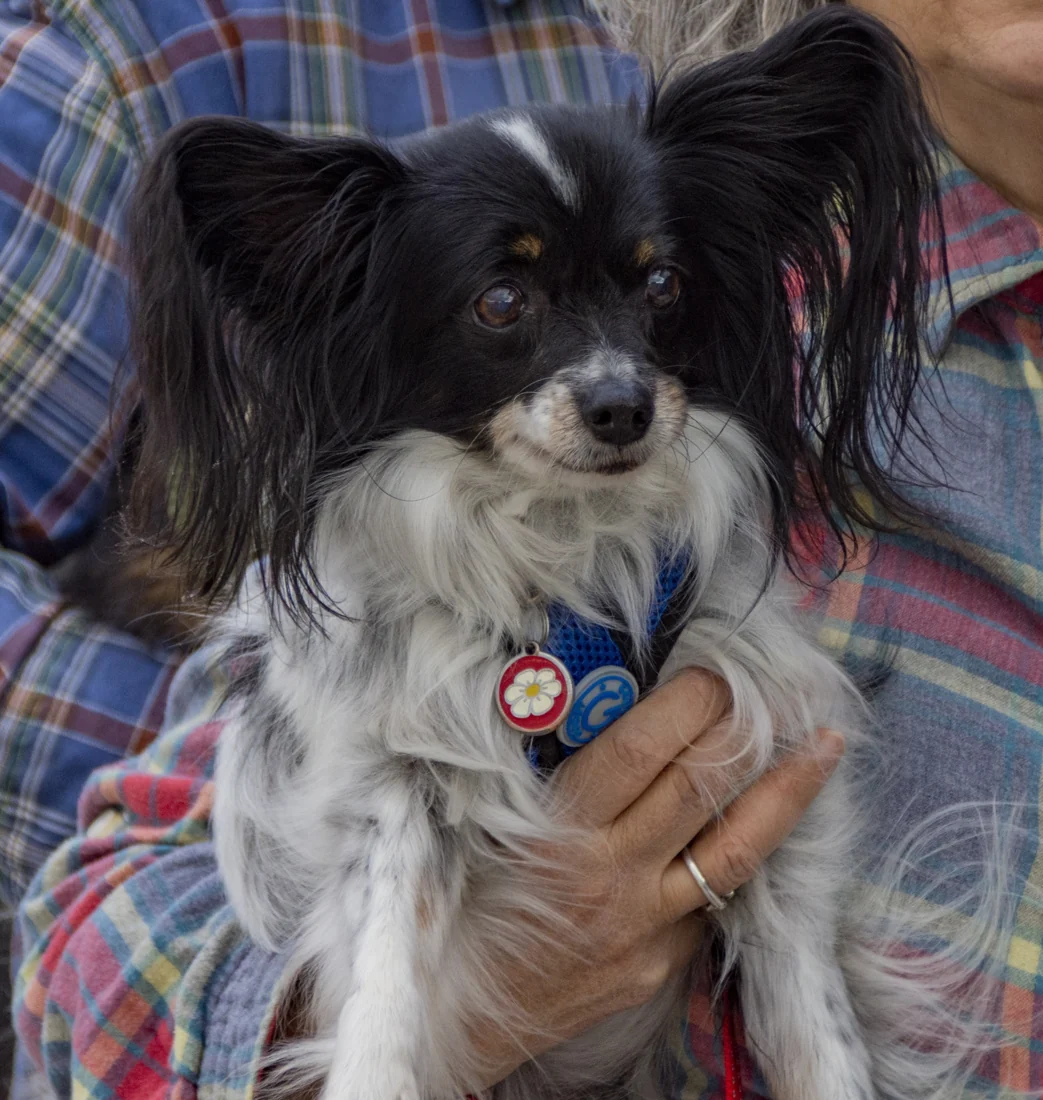
Size: 8–11 inches; 5–10 pounds. This Continental Toy Spaniel has a long European companion-dog history. The familiar upright ears resemble butterfly wings; the drop-eared Phalène is also part of the breed.
A Papillon’s elegant outline can conceal considerable enthusiasm for activity. Many enjoy learning tricks, rally, and appropriately introduced agility. Regular walks and interactive games matter; being held while an owner moves around does not provide the same experience as exploring and learning on the ground.
The breed may appeal to families wanting a small, engaged partner. Children still need supervision, and excitement around larger dogs requires management. Use comfortable social experiences to build confidence, then practice responding to you around distractions. Intelligence does not arrive with finished manners.
The silky coat needs regular brushing, with attention behind the ears and around feathering. It generally requires less elaborate clipping than a Poodle’s coat, although tangles, nails, and teeth still need work. Ask about knee, heart, and eye evaluations, and discuss additional testing relevant to the family line.
Appeal and challenge: Athletic enthusiasm and responsiveness can be rewarding, but a purely sedentary routine is a poor expectation. Best fit: Someone who wants walks and learning games alongside a tiny companion. Read the Papillon profile.
7. Brussels Griffon
Size: 7–10 inches; 8–10 pounds in the registry profile. Developed in Belgium, the Brussels Griffon has stable-dog ancestry and an expressive, short-muzzled face. Both rough and smooth coats occur.
Many Griffons form close bonds and closely follow household activity. Their sensitivity makes patient, reward-based teaching especially useful. Build independence gradually and observe the actual dog’s comfort rather than treating close attachment as proof of separation distress.
Walks, play, and short lessons offer activity without requiring a running partner. Toilet training may demand patience. Socialization should include handling and ordinary visitors, with room to withdraw. A busy home with children who grab or chase may be a difficult match; adults need to make contact gentle and predictable.
The rough coat needs brushing and knowledgeable clipping or stripping; the smooth coat is simpler to brush. Short facial structure deserves a veterinarian’s assessment of breathing and heat tolerance, alongside eye care. Ask about patella, hip, and eye screening and the breed club’s additional health guidance. Persistent breathing noise should not simply be dismissed as cute.
Appeal and challenge: Characterful companionship can involve substantial attachment and conformation-related care. Best fit: Patient caregivers able to offer company, considerate handling, and veterinary follow-up. See the Brussels Griffon profile.
8. Japanese Chin
Size: 8–11 inches; 7–11 pounds. The Japanese Chin developed as an aristocratic companion in Japan, with earlier ancestry associated with China. Its silky coat and graceful movement suit its reputation for a somewhat catlike manner.
Many Chin enjoy affection on their own terms and a less hectic rhythm than more exuberant toy breeds. That does not make every individual quiet or comfortable with strangers. Introduce visitors gently and let the dog choose to approach. Children must respect withdrawal and avoid grabbing the coat or face.
Short walks, gentle play, and entertaining trick sessions can suit the breed. Harsh repetition is unlikely to improve cooperation. Watch the dog’s comfort in warm, humid conditions; its flattened face makes breathing and overheating important veterinary discussion points.
Brush the silky coat regularly, checking behind ears and around feathering. Protect prominent eyes from rough play, and seek prompt veterinary attention for squinting or apparent eye pain. Ask about patella, heart, and eye evaluations and GM2 gangliosidosis DNA testing. A documented test panel and an examination answer different questions.
Appeal and challenge: Graceful companionship and a potentially gentler pace come with facial and eye-care considerations. Best fit: Owners who appreciate a measured social style and can maintain comfortable activity. Visit the Japanese Chin profile.
9. Affenpinscher
Size: 9–11.5 inches; 7–10 pounds. Germany’s Affenpinscher has a ratting background and a rough coat framing a distinctive face. Although classified in the Toy Group, its confidence and curiosity can feel distinctly terrier-like.
An Affen may become deeply involved in investigating a new toy or exploring a path. Short, varied lessons help make cooperation worthwhile. Expect an independent streak rather than assuming a tiny companion will continually wait for instructions.
Offer daily walks and interactive play, with safe containment when curiosity takes over. Introduce unfamiliar people and animals thoughtfully. Rough handling and chasing by children can create conflict, while small rodent pets deserve secure separation given the breed’s history. Assess actual behavior instead of making guarantees about animal compatibility.
The rough coat needs brushing and periodic shaping by someone familiar with it. Teach comfortable facial and paw handling before grooming becomes urgent. Ask about patella and eye evaluations. Its shortened muzzle also warrants attention to breathing comfort and hot-weather activity with veterinary guidance.
Appeal and challenge: A humorous, confident personality comes with firm opinions and ongoing rough-coat care. Best fit: Adults who appreciate an independent small dog and enjoy patient teaching. Explore the Affenpinscher profile.
10. Russian Toy
Size: 8–11 inches; up to 6.5 pounds. The Russian Toy developed in Russia from small companion terriers. Fine bones, relatively long legs, and large ears distinguish a lively dog available in smooth and long-coated varieties.
Many combine affection for familiar people with initial reserve toward strangers. Give them positive experiences with different caregivers, sounds, and environments while allowing comfortable distance. Small stature is no reason to skip social learning or let unfamiliar people pass the dog from arm to arm.
Walks, small games, and reward-based lessons suit an active companion. Teach recall and calm handling, and protect against jumping from furniture. Children need close supervision, and interactions with bigger dogs require careful matching and an easy exit.
The smooth coat needs comparatively modest brushing. Long coats require attention to feathering, especially around the ears. Dental maintenance is a significant consideration in this tiny breed. Ask about patella, heart, and eye screening, and arrange an individual veterinary care plan instead of choosing solely by advertised adult weight.
Appeal and challenge: Lively companionship and relatively manageable coat options come with a delicate frame and socialization needs. Best fit: Someone who enjoys an active little dog and can make everyday handling safe. Read the Russian Toy profile.
Which Small Dog Breed Is Right for You?
If you enjoy training and activity
Start by investigating the Toy Poodle and Papillon. Both can offer an enthusiastic learning partnership, but that appeal assumes you want daily involvement. A Yorkshire Terrier or Pomeranian may also enjoy tricks and games while bringing more alertness or terrier persistence into the routine.
Choose activities you can maintain on ordinary weekdays. A few short lessons mixed with walks and sniffing can be more workable than planning ambitious weekend exercise while leaving the dog without engagement during the week. Our dog exercise guide explains how health, age, and conditioning change the plan.
If coat maintenance is your main constraint
A smooth-coated Chihuahua or Russian Toy may be worth considering. A smooth Brussels Griffon also has simpler brushing needs, but its facial conformation raises separate care questions. Maltese, Yorkies, and Toy Poodles need a reliable grooming plan even when clipped short. The Pomeranian’s double coat brings brushing and shedding; a Papillon’s feathering still needs attention.
If you prefer a gentler household rhythm
A Japanese Chin may interest someone who enjoys unhurried companionship. A Maltese or Brussels Griffon may appeal to someone wanting close involvement. None offers a guarantee of silence, effortless independence, or low veterinary costs. Ask how the actual dog settles, handles visitors, and responds when its caregiver leaves.
If children or other pets share your home
Start with the adults’ ability to supervise and separate. Even a sociable Papillon or playful Maltese can be injured by rough play. An adult dog with a documented foster history may offer clearer information about handling and animal interactions than a puppy’s expected breed traits. Compare the practical demands in the MyPupwise breed comparison tool, then meet suitable individuals.
What to Know Before Getting a Very Small Dog
Make everyday movement safe
Check gates, stair openings, and fencing at the dog’s actual size. Prevent falls from beds and couches; teach a safe route and supervise its use. Lift with the body supported rather than pulling on front legs. During child interactions, floor-level contact reduces the consequences of an accidental drop.
Use appropriately fitted walking equipment and check it as a puppy grows. Supervise outdoor time and introductions to large dogs. A friendly larger animal can still cause an injury through exuberant play. Give the smaller dog a protected retreat and interrupt play before it becomes overwhelming.
Give dental care a place in the budget
Small dogs need deliberate oral care. Work gradually toward daily brushing with dog toothpaste, and ask your veterinarian to demonstrate a comfortable technique. Dental examinations and professional treatment may still be needed. Chews and fresh breath do not establish that the teeth and gums are healthy.
Include grooming, veterinary care, training, and backup help when estimating costs. A small food bill is only one part of ownership. Use our U.S. dog ownership budget guide to plan beyond the purchase or adoption fee.
Socialize without overwhelming
Arrange short, positive experiences with everyday people, sounds, handling, and suitable dogs. Let the dog observe from a comfortable distance. Repeatedly placing a frightened dog into someone’s arms is not useful socialization. Reward calm choices and allow retreat.
Discuss safe early outings and local disease risk with your veterinarian alongside the puppy vaccination schedule. Teach recall, toilet habits, comfortable grooming, and settling with rewards. Escalating fear or snapping deserves professional assessment, even when the dog is easy to lift.
Respect exercise, rest, and temperature
Offer walks, sniffing, and play that match the individual. Small dogs need opportunities to move under their own power, along with rest. Short-muzzled dogs require particular attention to breathing and heat; delicate, short-coated dogs may need additional protection from cold. There is no universal safe temperature or exercise duration for all ten breeds.
Be skeptical of “teacup” marketing
“Teacup” is not a separate recognized breed or an official size variety for these dogs. Sellers may use it to advertise unusually tiny animals, but the label establishes neither health nor ethical breeding. Deliberately selecting for extreme smallness can increase welfare concerns, including physical fragility and problems associated with very small puppies.
Prioritize sound structure, health records, suitable temperament, and transparent breeding practices. Ask how puppies are raised, what testing the parents received, and what lifetime support is offered. Never accept a promise of a particular tiny adult weight as a substitute for medical records. Our questions before adopting can also help organize a rescue conversation.
Frequently Asked Questions
What is the smallest dog breed?
The Chihuahua is widely recognized as one of the smallest breeds, with a U.S. registry reference of 5–8 inches and no more than 6 pounds. Individual records and overlapping breed sizes do not make every Chihuahua smaller than every other toy dog.
Which of these dogs usually weigh under 7 pounds?
Chihuahua, Maltese, Toy Poodle, and Russian Toy references fall below or at limits under 7 pounds. Pomeranians span 3–7 pounds. These figures describe reference sizes, not guaranteed adult weights or targets for selecting an unusually tiny puppy.
Are the smallest dogs easier to care for?
They may be easier to lift, but grooming, training, dental care, and supervision still take time. A Toy Poodle’s clipping schedule or a Pomeranian’s coat care can require more work than a larger dog’s simpler coat.
Which small breed needs the least grooming?
Among these options, smooth-coated Chihuahuas and Russian Toys generally have simpler brushing routines. All dogs still need nail, ear, skin, and dental care. Coat variety and the individual’s condition matter more than a blanket low-maintenance label.
Are Toy Poodles and Maltese hypoallergenic?
No breed guarantees freedom from allergic reactions. Their relatively low-shedding coats may appeal to some households, but allergens are not limited to loose hair. Spend time around the individual dog and discuss significant allergies with your healthcare professional before committing.
Which very small dog is best with children?
There is no universal winner. Evaluate the dog’s observed comfort, the children’s handling, and the adults’ supervision. A child who cannot reliably avoid grabbing or carrying may be a poor match for a physically delicate dog of any breed.
Can a very small dog be left alone all day?
Size does not establish a safe duration. Toilet access, age, health, previous experience, and emotional comfort all matter. Build independence gradually and arrange help when your schedule exceeds the individual’s needs. The backup care guide offers a planning starting point.
Do these dogs need daily walks?
Most benefit from regular outings suited to their condition, alongside play and mental activity. Being small does not remove the need to explore. Ask your veterinarian about restrictions for puppies, illness, injury, or breathing concerns instead of following a fixed breed-wide minute count.
Is a “teacup” puppy a recognized variety?
No. For these breeds, “teacup” is a marketing description, not an official variety. Choose documented health, appropriate development, and responsible care over promises of extreme smallness. Be cautious when sellers make size the main selling point.
Choose the Routine, Then the Individual Dog
The smallest dog breeds offer very different ways to share a day: a Papillon’s next game, a Yorkie’s investigation, a Chin’s quieter company. Choose the care routine you can sustain, including grooming, training, safe handling, and veterinary expenses.
Use the breed catalog and comparison tool to build a shortlist. Then ask specific questions, meet the dog, and let individual health and behavior guide the decision. A good match depends on more than fitting a small dog into your arms.
General guidance does not replace individual veterinary or behavior assessment.