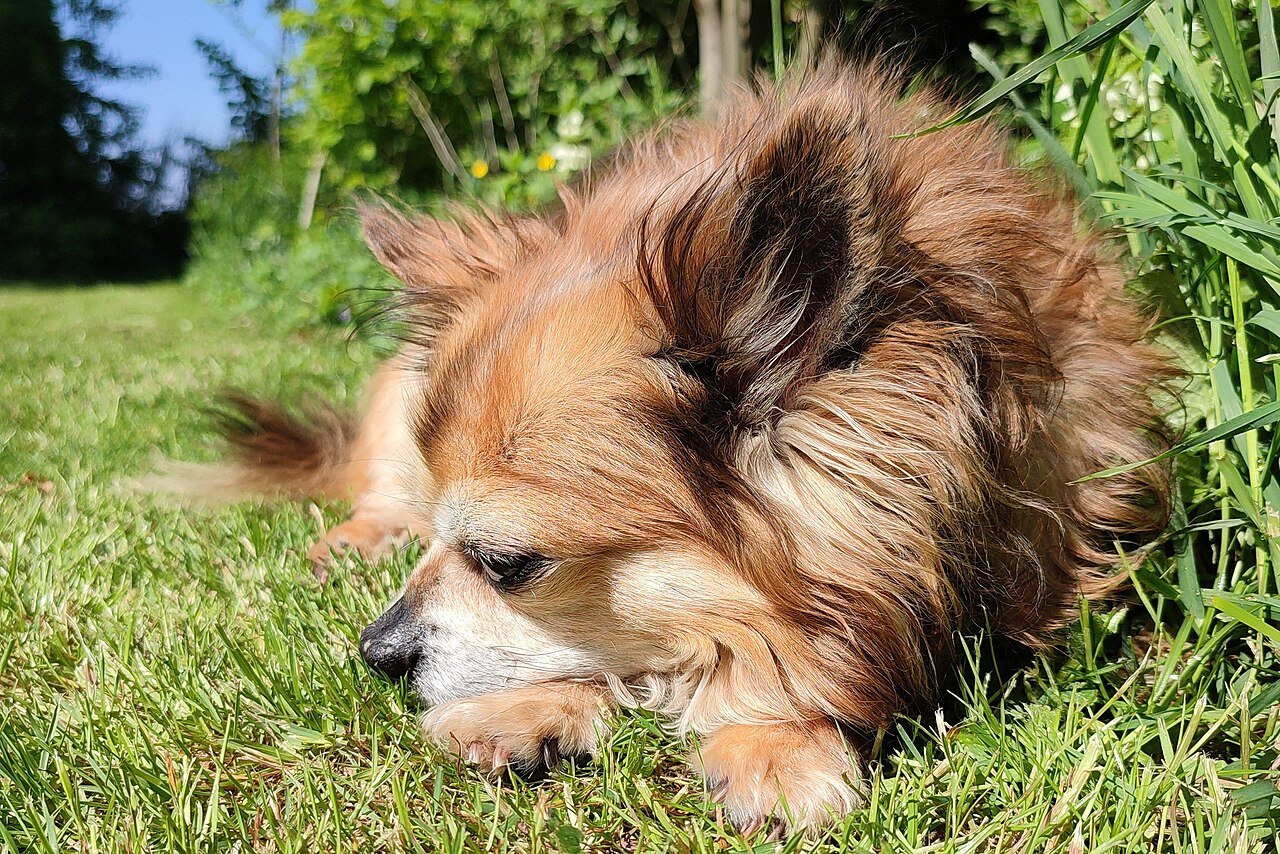
Ranges describe the registry profile, not a measurement, life expectancy, or health prediction for a particular dog. Separate sex or variety ranges are preserved where the source supplies them.
Source characteristics at a glance
The registry uses an ordinal 1–5 scale. A higher number indicates more of the named trait, not a better dog or a compatibility score. These descriptions are general and are not clinical measurements.
History and original work
The Chihuahua’s modern identity is closely associated with Mexico and the state bearing its name. Earlier small Mexican dogs, including the Techichi, form part of its historical background, but a complete prehistoric pedigree is not established. Smooth and long coats share the same need for safe small-dog handling.
Temperament and training
A Chihuahua often notices unfamiliar activity quickly and forms close attachments to familiar people. Reward calm observation, recall, and comfortable handling; let visitors offer space instead of reaching down immediately. Teach toilet habits through predictable access and rewards, with the same expectations from every caregiver.
Daily needs & enrichment
Combine short exploratory walks with tiny fetch games and simple food searches. Use secure ground-level play and rest breaks; being carried everywhere does not replace opportunities to investigate and learn under the dog's own power.
Coat care
Use a soft brush occasionally on the smooth coat and brush the long variety at least weekly. Comb fine hair behind ears, on legs, beneath the chest, and through the tail, checking collar and harness friction points. Handle paws gently and maintain teeth daily with dog toothpaste.
Bathe as needed with dog shampoo, rinse completely, and towel-dry, finishing longer hair with comfortable airflow. No routine body clipping is necessary. Keep feet and sanitary areas practical without scissors against concealed skin. Avoid treating a small body as resistant to hot drying, pulling ear tangles, or leaving damp feathering compacted after washing.
Living Environment & Daily Needs
Check gaps under gates, stair openings, and routes around moving feet. Prevent jumps from furniture and give this very small dog a protected resting area. Introduce visitors at floor level so a surprise or a dropped dog does not become an injury.
Care costs and grooming budget
Budget for dental examinations and treatment as well as routine prevention. Obtain local estimates for the actual coat variety, small-dog training, and daytime help; a modest food bill does not predict total care costs.
Independence and backup care
Practice brief departures only while the Chihuahua remains comfortable, and assess toilet access separately. A close attachment to one person does not establish a diagnosis or a breed-wide safe number of hours; arrange another caregiver when the individual needs support.
Safe family and animal introductions
Invite children to interact while seated and prevent grabbing, chasing, or carrying. Match dog play by behavior and physical size; even a friendly large dog can injure a Chihuahua. Provide a retreat that children and other pets cannot invade.
Comfort in different weather
Monitor comfort in cold or wet conditions, especially in a smooth-coated dog, and consider a well-fitted protective layer when appropriate. Do not infer heat tolerance from Mexican ancestry; shade, water, and activity adjusted to the individual still matter.
Preparing for your first dog of this breed
Prepare to manage alert barking, patient toilet training, and safe lifting rather than expecting a pocket-sized dog to be effortless. A reward-based class that protects very small participants can help build confidence and everyday manners.
Care through life stages
Puppies need especially close supervision around falls and rough handling, along with a veterinarian's feeding and preventive-care plan. Reassess dental comfort, mobility, and access as an adult ages; do not dismiss withdrawal or reluctance to walk as personality alone.
Questions to ask before choosing a dog
How does this Chihuahua react to being approached, lifted, brushed, and left briefly with another caregiver? Ask for observed child and dog interactions and documented knee, heart, and eye screening where applicable. Meet the dog without pressuring it into contact.
Practical question
Should a Chihuahua’s advertised adult weight take priority over health records?
No. Ask about sound growth, clinical examinations, and actual family screening. An unusually tiny target is not evidence of better health or easier care.
Health and screening questions
Cardiac, ophthalmologist, and patellar evaluations are documented recommendations. Heart screening may identify a murmur or prompt further investigation for problems such as congenital PDA or valve disease; a normal result does not exclude every later cardiac condition. Ask about family seizure history as well. Persistent coughing, fainting, repeated skipping, or visual change warrants assessment. Dental care and protection from falls matter alongside screening. Extreme-smallness marketing cannot establish sound development or a healthy adult.
Editorial update: October 24, 2026. General information; individual care requires veterinary assessment. No veterinary review is claimed. See our Editorial Policy for sourcing and review practices.