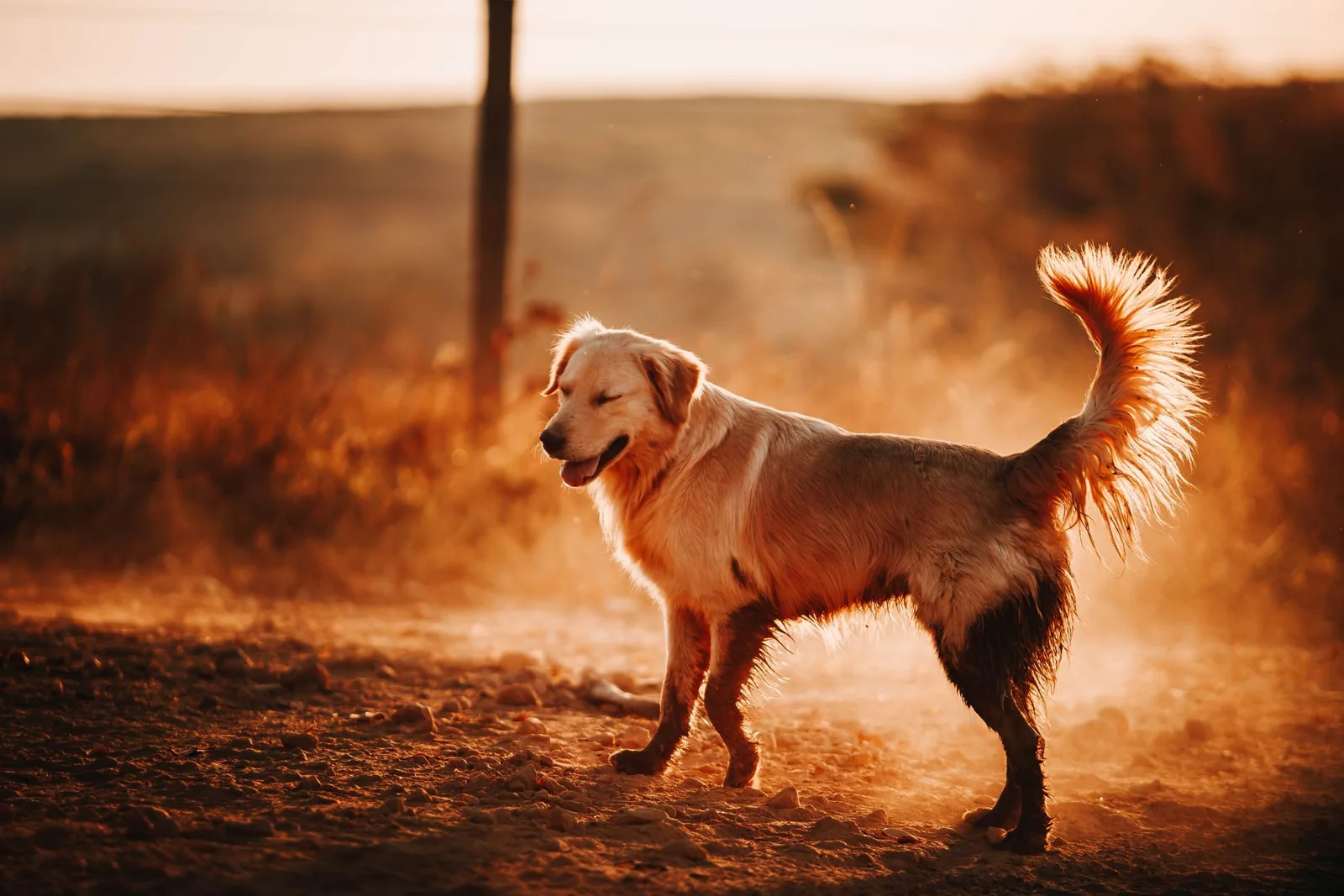
You open the front door, and your dog comes around the corner with a tail sweeping so widely that their hips swing along. Later, the same tail moves in short flicks when a delivery person stops on the porch. Why do dogs wag their tails in such different situations? Wagging is part of how they communicate, and the movement can accompany excitement, anticipation, uncertainty, or tension. The greeting at the door and the alert at the window make more sense once you look at everything happening around the wag.
Quick answer
Dogs wag their tails during greetings, play, anticipation, and situations that make them uneasy or alert. Look at where the tail sits relative to that dog’s usual posture, how freely it moves, and what the rest of the body is doing. Soft eyes and loose hips suggest a different situation from a fixed stare and a rigid stance.
Why Do Dogs Wag Their Tails?
Tail wagging is a visible part of canine communication. Dogs use it around people and other dogs, and it can also appear when they anticipate something such as a meal. One useful concept is arousal, the level of activation or excitement a dog is experiencing. An eager dog waiting for a ball and a worried dog watching a stranger can both be highly aroused. Their tails may move quickly in both cases.
Experience helps explain when a wag appears. Imagine a dog who hears the same phrase before every neighborhood walk. Over time, the words, the sound of the leash clip, and your movement toward the door can all become cues that an outing is about to happen. If the dog wags before you touch the leash, consider what they have learned to expect from that sequence. The same dog might hear their name during a quiet afternoon and give only a brief sweep from the couch.
Researchers still have questions about why tail wagging is so conspicuous in domestic dogs. In a 2024 review in Biology Letters, Silvia Leonetti and colleagues proposed two possibilities. More frequent wagging may have emerged as a by-product of selection for traits such as tameness. Alternatively, people may have favored dogs that produced rhythmic movements, inadvertently selecting for more wagging. The review presents both as hypotheses that need testing.
Dog Tail Positions and What They May Mean
Start with your dog’s usual tail carriage on an ordinary, quiet walk or while they move comfortably around the house. A tail that looks high on one dog can sit at another dog’s resting height. Use the patterns below as clues and check the rest of the body before deciding how to respond.
| Tail Signal | Possible Meaning | Other Signs to Check |
|---|---|---|
| Relaxed, neutral tail | Comfortable baseline or quiet attention | Even weight distribution, soft face, easy movement |
| High, loose tail wag | Animated greeting, interest, or anticipation | Loose hips, curved approach, ability to pause |
| High, stiff tail | Heightened attention or tension, with or without movement | Fixed gaze, closed mouth, forward weight, still torso |
| Low tail wag | Quiet greeting, uncertainty, or an attempt to keep an interaction gentle | Bent legs, ears back, head turns, voluntary approach or retreat |
| Tucked tail | Fear, discomfort, or possible pain if the posture is new or persistent | Crouching, moving away, unusual gait, sensitivity during ordinary handling |
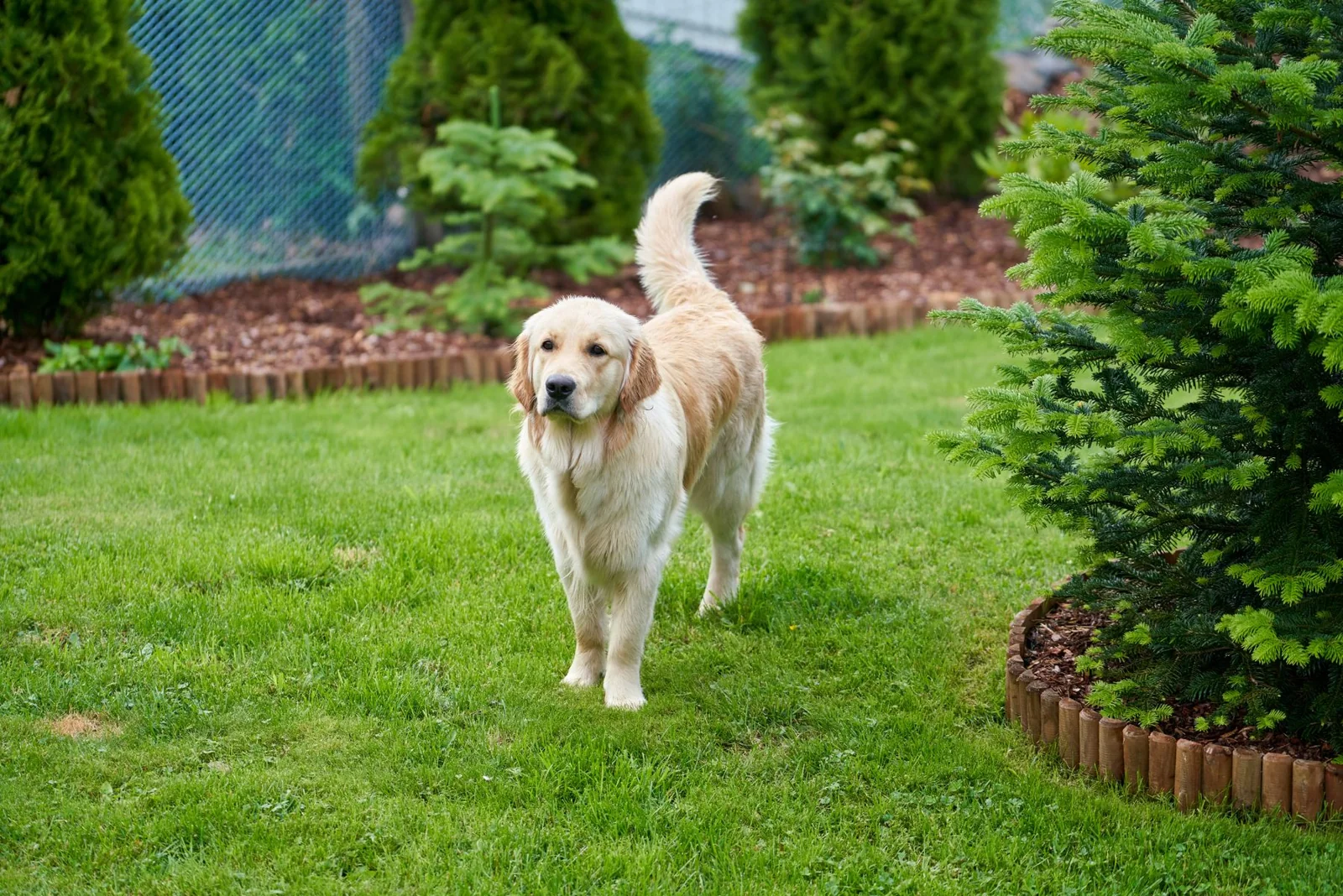
| Broad, sweeping wag | Social engagement or excitement, especially with a loose body | Relaxed face, moving hips, easy shifts in direction |
| Fast, tight wag | High arousal that could include anticipation or tension | Stiffness at the tail base, eye contact, breathing, ability to disengage |
| Circular or helicopter wag | Sometimes seen during an enthusiastic greeting | Loose torso, soft face, voluntary approach, room to leave |
Several rows can apply at once. A tail can be low, fast, and tight in the same moment. It helps to describe what you see in those three dimensions before you assign a meaning. Then ask what changed just before the movement began and whether the dog gets looser or stiffer as the situation continues.
What Different Tail Movements Can Tell You
Slow vs. fast tail wagging
Speed tells you about the movement itself. A dog on the living room rug may give a few slow sweeps as you talk. Another dog may stand still at the end of a leash, with a slow tail movement and eyes fixed on a dog across the street. In the first situation, the resting body supports a reading of mild engagement. In the second, stillness and sustained attention suggest giving the dogs more room.
A fast wag can accompany a game of fetch, a reunion, or a tense encounter. Look at how the dog moves between wags. A dog who can turn toward you, look away from the trigger, or move off in a curve has options. If the dog is planted, leaning hard into the leash, or staring, create distance before asking them to do anything else.
Loose vs. stiff movements
Watch the base of the tail and the hips. In a loose greeting, the movement may travel through the hindquarters and the dog may shift weight easily from side to side. In a tense interaction, the body can remain rigid while just a short section of the tail moves. A visible wag at the tip can draw your eye away from the stillness elsewhere.
Consider two dogs waiting by an apartment elevator. One makes a loose arc toward a familiar neighbor, then turns back to their person. The other holds their feet in place, leans back, and flicks the end of their tail as a hand reaches toward them. In the second case, ask the neighbor to give the dog room and wait for a less crowded elevator if needed.
High vs. low tail positions
Height is most informative when you compare it with the same dog’s baseline. A dog may lift their tail above its usual position when something catches their attention. A quick lift with an easy turn of the head can look very different from a high tail held over a locked stance. When a dog’s tail drops, notice whether their legs also bend, their head lowers, or they try to move away.
On a walk, you might see your dog lift their tail when a skateboard rolls by and lower it again once the sound fades. That sequence tells you more than the instant when the tail was highest. If the dog stays braced even after the skateboard passes, cross the street or pause somewhere quiet to give them a chance to settle.

Circular tail wagging
A circular or helicopter wag traces loops rather than a simple side-to-side sweep. Some dogs do it when a favorite person walks in or when they approach a familiar playmate. If their whole body is loose and they can come and go freely, the movement fits an enthusiastic greeting. Give a highly excited dog enough room to move. For a child at the door, wait until the dog has settled before inviting any interaction.
Tail tucked between the legs
A tucked tail can go with fear or discomfort, particularly when you also see a crouch, flattened ears, or an attempt to leave. A dog might tuck during nearby fireworks, when cornered in a hallway, or when an unfamiliar dog rushes toward them. Make an exit available and reduce pressure where you can. A tail that stays tucked in familiar, quiet settings, especially alongside a change in movement or appetite, is worth discussing with your veterinarian.
Does Wagging Left or Right Mean Something Different?
Experiments have found measurable differences between left- and right-biased wagging. Here, left and right mean the wagging dog’s own left and right. If you face the dog, their right is on your left. Researchers measured which side had the larger excursions across repeated sweeps. The bias can be present even though the tail moves to both sides.
In a 2007 Current Biology study, Angelo Quaranta, Marcello Siniscalchi, and Giorgio Vallortigara recorded how dogs wagged when they saw different stimuli. The dogs showed a rightward bias when viewing their owners and a leftward bias when viewing an unfamiliar dog described by the researchers as dominant. These were patterns observed under the study conditions. The researchers interpreted them in light of brain lateralization, the tendency for the two sides of the brain to contribute differently to some tasks.
In a 2013 Current Biology study, Siniscalchi and colleagues tested what happened when dogs watched videos showing left- or right-biased wags. Dogs watching the left-biased displays showed higher cardiac activity and more behaviors the researchers categorized as anxious than dogs watching the right-biased displays. The measured differences indicate that the direction of the display can affect the dogs watching it under controlled conditions.
A 2022 iScience study by Ren and colleagues used motion tracking to follow ten laboratory beagles during brief encounters with a person across three days. Their wags shifted toward the right as the encounters repeated, and individual dogs had distinct movement patterns. The work points to familiarity as one possible influence. It leaves open how the same dog would respond to a new person in a different setting.
For an everyday observer, the viewing angle changes as the dog turns, and the baseline can be hard to judge. A brief glance also gives you much less information than the recordings used in research. There is no reliable household test that turns a left or right bias into a diagnosis of an individual dog’s emotion. At the dog park, watch whether both dogs keep their bodies loose, pause, and willingly return to the interaction.
Why Breed and Tail Shape Matter
A natural, relatively straight tail gives you a long outline to follow. The angle at the base, the size of the sweep, and changes in carriage can be easy to see from the side. A curled tail, like the one often seen on an Akita, can rest high over the back. With that shape, you may get more information by watching the base and seeing whether the tail shifts from its usual curl as the dog moves.
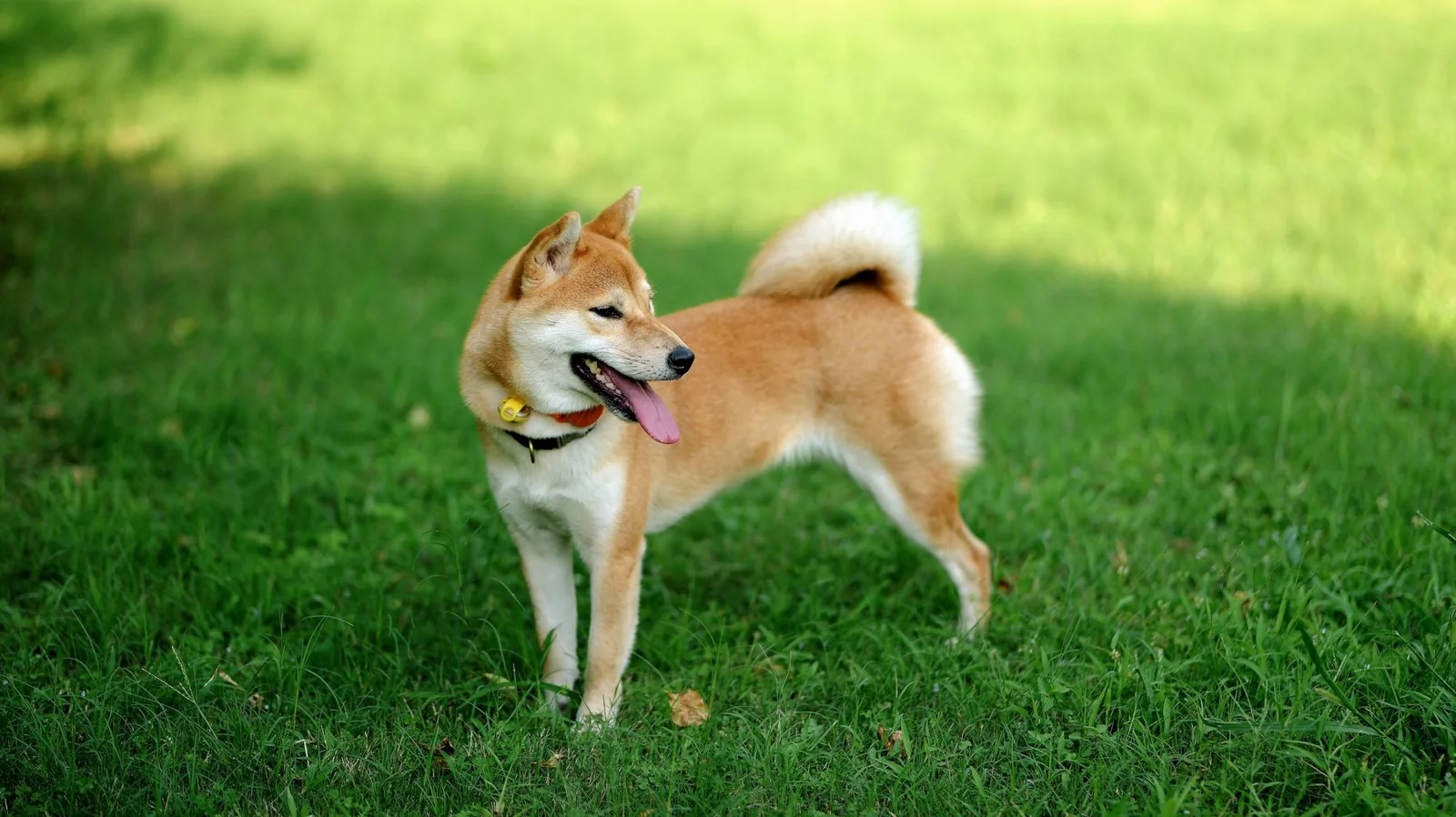
A short tail may make a similar effort look like a much smaller movement. Some dogs are born with naturally short or bobbed tails. Other dogs have docked tails, which were surgically shortened. The visible outline alone may leave the reason for a short tail unclear. For either dog, look at the base if you can see it, along with the hips, ears, face, and direction of movement.
Get familiar with your dog’s everyday range. See how they carry their tail when they wander around a room, greet a familiar person, and investigate a new scent. A comparison across your own dog’s ordinary situations gives you more information than a breed photo taken at a single moment.
How to Read Your Dog’s Whole Body Language
Look at the face, the feet, and how the dog responds when the situation changes. Start with the eyes. A soft gaze that moves easily around the room often looks different from a long, fixed stare. You may see the whites of the eyes if a dog turns their head away while keeping something in view. Check that against the dog’s usual appearance, especially in dogs whose eye shape makes the whites more visible.
Ear position makes more sense when you know where those ears usually sit. Ears pulled back may accompany uncertainty when the dog also crouches or turns away. Ears forward can show attention. Watch the mouth too. A dog who suddenly closes a previously loose mouth and goes still is giving you a change worth noticing. Lip licking or yawning can add context when they occur during an uncomfortable interaction, even though both behaviors also occur in everyday situations.
Then look at the feet and torso. Is the dog leaning forward, shifting their weight away, or standing evenly? Can they move freely? A brief freeze may come before a growl or snap, particularly if someone keeps reaching. A play bow, with the front end down and hindquarters up, can invite play. Look for what happens next. Loose movement, breaks, and both dogs choosing to reengage support a reading of play.
Listen to vocalizations in context. A dog may make low sounds during a relaxed game of tug. If a dog growls over a chew, stiffens, and watches your hand, pause and give them room. Repeated guarding or snapping warrants professional help. Avoid scolding a growl. It gives you a chance to change what’s happening before either the dog or the person feels more pressure.
At the front door. One dog sweeps their tail as they make a curved approach to a friend, then steps away to sniff the rug. Another sweeps their tail as they back behind their owner while a visitor leans in. Ask the visitor to pause and give the second dog space. The retreat is the information you can act on.
On a neighborhood walk. A quick wag when your dog sees a regular walking companion may come with loose steps and frequent looks back at you. The same quick wag in a narrow passage may come with a closed mouth and forward weight when an unknown dog appears. Walk a wider arc or turn onto a quieter sidewalk. Check whether your dog resumes sniffing or looking around once the other dog has passed.
Watch what happens when you change one thing
In the backyard, two dogs may chase each other with high tails, then stop to shake off or sniff. If both can leave and both return, those breaks give you more information about the interaction than the height of either tail. If one keeps running to the gate or hiding behind your legs while the other keeps following, calmly interrupt and give them separate space. Watch whether the dog who moved away chooses to return once the pressure eases.
The same idea applies on a walk. If your dog barks and lunges whenever another dog comes close, describe that pattern to a trainer. The word reactivity describes the intensity of a response. Fear, frustration, and other motivations can contribute, and similar behavior can have different causes. Distance gives your dog a chance to turn away and gives you a better view of what changes.

Is a Wagging Dog Always Safe to Approach?
A wag alone gives you too little information to decide whether to approach. With an unfamiliar dog, ask the person handling them first and give the dog room to choose whether to come closer. Skip contact if the dog freezes, backs away, growls, stares intensely, or holds a tight posture. Avoid reaching through a fence or leaning over a dog who is cornered, tethered, or resting. Leave dogs alone while they eat, sleep, or work on a chew.
For visitors, clear a path away from the doorway before the door opens. You can also set up a comfortable room or gate so your dog can settle during arrivals. Ask guests to keep their hands to themselves initially. If your dog chooses to walk away, let them go. For children, a simple rule is to ask an adult before approaching a dog and leave the dog alone when they retreat. Adults should actively supervise children and dogs and separate them when they cannot give the interaction their full attention.
For a dog who needs time to settle after the doorbell, a quieter room during noisy evenings can also make the home easier to navigate. During reward-based practice, work at a distance where the dog can still look away and respond to you.
If your own dog repeatedly stiffens, growls, or snaps during greetings, change the setup so they have space and consult your veterinarian or a qualified behavior professional. The American Veterinary Society of Animal Behavior emphasizes recognizing stillness and other signs of discomfort early. The ASPCA’s bite prevention guidance also advises giving fearful or tense dogs room, even when their tails are moving.
When a Change in Tail Movement Could Signal a Health Problem
Call your veterinarian if your dog suddenly seems unable to wag, the tail hangs unusually limp, or you see swelling, a wound, or signs of pain. You might notice a dog flinch while being dried off or hesitate to sit. Avoid bending or lifting the tail to test it. Note when the change started and whether it followed vigorous exercise, swimming, or an accident. A brief video of your dog moving naturally can help the clinic understand what you saw.
An unusually limp and sore tail after strenuous activity can occur with acute caudal myopathy, sometimes called limber tail. Veterinary guidance from VCA Animal Hospitals explains that an exam can help distinguish it from other causes of similar signs, including fractures and infection. Seek urgent veterinary advice after significant trauma, with heavy bleeding or severe pain, or if the tail change comes with new hind-leg weakness, difficulty walking, or loss of bladder or bowel control. Your veterinarian can advise on the appropriate level of care for your dog’s symptoms.
Frequently Asked Questions About Dog Tail Wagging
Do dogs wag their tails when they are happy?
Yes. A broad wag during a voluntary greeting, paired with soft eyes and easy movement, can fit a happy or socially engaged dog. The same motion in another setting may have a different meaning. Check the face and posture and give the dog the option to end the interaction.
Can dogs wag their tails when they are angry?
Dogs can wag while showing defensive or aggressive behavior. A stiff body, fixed gaze, growl, or forward weight gives you reason to stop and create space. You can respond safely to those observable signs without deciding whether the dog feels anger, fear, or frustration.
Why does my dog wag its tail when I talk to it?
Your voice may draw your dog’s attention or predict something familiar, such as a walk, a meal, or a moment together. Watch what happens after the wag. The dog may come over, stay comfortably on their bed, or orient toward the leash. Their next action helps explain what the words meant in that context.
Why does my dog wag its tail while lying down?
A dog may briefly sweep or tap their tail when you speak or walk into the room while they rest. They may stay settled or lift their head to see what happens next. Let a resting dog choose whether to get up, and give them room if you see a stiff face or body.
Why does my dog tuck its tail between its legs?
A tuck can accompany fear or discomfort. Look for an obvious trigger such as a loud noise, crowding, or an unfamiliar dog and give your dog space. If the position is new and persists, or it comes with pain or changes in walking, contact your veterinarian.
What does a helicopter tail wag mean?
A helicopter wag is a circular motion that can occur in an enthusiastic greeting. A loose body, soft face, and voluntary approach make that reading more plausible. In a crowded entryway, give the dog room to settle before anyone reaches to pet them.
Do puppies wag their tails?
Yes. Puppies begin wagging early in life, and social wagging develops as they interact with littermates, adult dogs, and people. The timing and style vary. Give puppies regular breaks and provide an appropriate toy if you see puppy mouthing during play. Look for whether the puppy is moving loosely and choosing to approach, especially during a new introduction.
Can dogs communicate without a tail?
Yes. Dogs communicate with their faces, ears, posture, movement, and sounds. A dog with little or no visible tail can still show a loose approach, turn away, freeze, or make a play bow. Pay attention to the dog’s usual posture and how it changes during an interaction.
Get to Know Your Dog’s Usual Wag
Notice how your dog moves in ordinary moments this week. Compare a quiet greeting at home with the moment they spot a familiar dog on a walk. Watch the whole sequence, from what catches their attention to how they move once it passes. Over time, those observations help you recognize when your dog wants to engage, needs more space, or is moving differently enough to call the vet. Explore more behavior and training guides from MyPupwise as you get to know your dog’s signals.
General guidance does not replace individual veterinary or behavior assessment.