For Patrick Stewart, dogs became part of a life of care beyond the screen. A foster dog, an unexpected goodbye, and a familiar starship captain reveal the companions he welcomed—and the ones he wanted the world to see.


Ginger’s introduction to Patrick Stewart came with a faceful of kisses. In the video he shared in March 2017, the actor bent down to greet the pit bull arriving at his home. She licked his face; he laughed. For a man whose voice could command a starship, the occasion called for very little speech.
The story of Patrick Stewart’s dogs has that welcome at its heart. Ginger was entering a foster home, not a film set. Stewart and his wife, musician Sunny Ozell, were offering a temporary place to stay while a rescue organization looked for her permanent family. Neither her place in their lives nor her eventual destination could be reduced to a celebrity photograph.
Stewart died on October 28, 2026, at 86, his spokesperson confirmed in reports published the following day. Remembering him through Ginger offers a glimpse beyond the performances: a man making room for a dog, then using his fame to make room for others.
The Day Ginger Entered His Life
Ginger arrived in March 2017 through Wags and Walks, a Los Angeles rescue group. Best Friends Animal Society’s contemporary account traces her journey from an area shelter, where Wags and Walks founder Lesley Brog found her, to the rescue’s care. Ginger also spent time at the Best Friends NKLA Pet Adoption Center before her foster placement.
The ASPCA helped connect the pieces. Stewart was working on an anti-dogfighting campaign and wanted to foster a pit bull. The organization contacted Wags and Walks, which matched him and Ozell with Ginger. Behind the much-shared greeting stood a network of people finding a dog somewhere safe to go.
During his March 2017 appearance on Conan, Stewart described Ginger as a dog who had been used for breeding in a dogfighting operation. That account should remain attributed to him. The rescue record documents the shelter-to-foster route; it does not establish every detail of her earlier life or justify imagining what she remembered.
He also spoke about returning to life with a dog after decades without one. His childhood companion had been a Border Collie. Now, at 76, he was explaining that he and Ozell would serve as a link between shelter care and a permanent home.
It was a modest job description for work that can change a dog’s future. Ginger needed care in the present, even while the adults around her planned what came next.
A Bond Built in Ordinary Moments
The posts that followed were memorable because they were so domestic. Ginger rested on the couch. Stewart shared time with her beside the pool. The couple’s updates let viewers see the same dog across different moments, rather than in a single adoption photo.
One widely reported update described her sleeping and snoring beside him. Another involved the household rule about dogs on furniture, which proved difficult to defend in Ginger’s company. These were small episodes, but they gave the relationship a recognizable shape: companionship entering the spaces between the day’s other demands.
There is a reason such moments stay with dog owners. A dog settling nearby can alter the atmosphere of a room without doing anything remarkable. Anyone who has wondered why their dog follows them everywhere knows how much meaning people find in that quiet proximity.
For Stewart, the connection also became public advocacy. His affection made an individual dog visible to an audience that might otherwise have encountered pit bulls mainly through frightening headlines. Ginger appeared as a companion with a name, a place to rest, and people paying attention.
That is different from proving that every rescued dog will behave like Ginger. Her affectionate greeting belonged to her. Another dog might need distance, a slower introduction, or skilled support. Respecting those differences is part of taking her story seriously.

Why Stewart Could Not Keep Ginger
As their attachment grew, Stewart and Ozell considered making Ginger’s stay permanent. Their lives, however, extended across the United States and Britain. The restrictions affecting pit bull-type dogs in the United Kingdom stood in the way of bringing her with them.
Stewart later recalled asking the British Embassy in Washington whether anything could be done. In the official Star Trek interview recounting that effort, he said he was told it could not help. The obstacle was a rule applying to a type of dog, rather than a problem he described with Ginger’s behavior.
Ginger ultimately stayed in the United States. Adopt a Pet’s published account reports that Wags and Walks found her a permanent home in the Los Angeles area, with care for an ACL injury among the considerations. She was not permanently adopted by Stewart.
That distinction matters. Calling every close foster relationship a permanent adoption erases the purpose of fostering. A temporary family can love a dog deeply and still help her move to a home better suited to her long-term needs.
The practical questions deserve space alongside the affection. Where will the dog live? Who can provide continuity of care? What happens when travel, housing rules, or medical needs change the plan? Our guide to questions to ask before adopting a dog starts with that kind of honest assessment.
Ginger’s story did not end with the outcome many viewers expected. Its value does not depend on a final scene in which Stewart keeps her. The care was real even though the home was temporary.
More Than Ginger: Making Other Dogs Visible
Their involvement continued. In its 2021 tribute to Stewart, the ASPCA confirmed that he and Ozell had fostered several more pit bulls after Ginger. The organization also recognized his participation in its National Dogfighting Awareness Day campaigns in both 2017 and 2018.
The 2017 campaign asked the public to take a stand against dogfighting. Stewart lent his name and voice to the ASPCA’s effort, directing attention toward cruelty that rescuers, investigators, and caregivers worked to confront. His role was to help people notice and act, rather than to replace that work.
In 2018, he visited the ASPCA Canine Annex for Recovery and Enrichment. There he met dogs receiving care, including Orson. The ASPCA later documented Orson’s meeting with the actor as part of its efforts to help him find an adopter. The work had continued beyond Ginger’s stay.
Other dogs received his help without becoming his foster pets. When the ASPCA was seeking a home for Foxie, a senior pit bull mix, it asked Stewart to promote her on Twitter. Its account of her eventual adoption describes the behavior support and matchmaking that accompanied that visibility. A well-known supporter could help draw attention; a successful placement still depended on the dog and the household.
On October 20, 2021, the ASPCA announced that Stewart would receive its Pit Bull Advocate & Protector Award. In his response, he said that “the privilege of helping to protect and celebrate pit bulls is all we need.”
The words fit the record of repeated involvement: welcoming dogs, showing up for campaigns, and helping others be seen.
How That Love Reached Star Trek
Eventually, that commitment became part of Jean-Luc Picard’s world. In Star Trek: Picard, the retired captain has a pit bull companion named Number One. Stewart advocated for the character to have a dog and for that dog to be a pit bull.
In the official interview first published in January 2020, he explained what a dog at Picard’s side could communicate “without any dialogue or any dramatic reference.” Companionship could tell viewers something about the man before a scene explained it.
His choice also gave a frequently stereotyped kind of dog a different place on screen. Number One belonged beside a character associated with thoughtfulness, responsibility, and moral judgment. The animal was part of his home life, rather than a shorthand for menace.
The distinction is simple but essential: Ginger was a real dog Stewart fostered. Number One was Picard’s fictional companion. The role was played by a dog named Dinero; Number One was not the name of Stewart’s personal pet.
Screen dogs can shape what audiences imagine about real animals. Our look at famous dog movies and the breeds behind them explores why the appeal of a character should lead to further learning, rather than an impulsive adoption.



What Ginger’s Story Offers a Future Foster Family
You do not need a famous name to provide the part of this story that mattered most to Ginger: a place to stay, with people prepared to care for her. But enthusiasm works best alongside a clear agreement with a shelter or rescue.
Build a plan before the welcome
Ask what the organization knows about the dog’s health, behavior, daily needs, and experience with other animals. Agree on who arranges veterinary care, supplies, transport, and emergency support. Be candid about children, resident pets, work hours, and the limits of your home.
Then make the first days manageable. Provide a quiet resting area and a predictable routine. Follow the rescue’s guidance on introductions and give the dog room to choose whether to approach. Help with settling into a small home begins with ordinary arrangements that make rest and daily care easier.
Meet the individual in front of you
A rescue dog is not a single behavioral category. Avoid assuming either that a difficult history makes a dog dangerous or that affection removes every risk. Supervision, safe separation when needed, reward-based training, and appropriate professional help remain part of responsible care.
Breed labels need care, too. Learning about the American Staffordshire Terrier and the Staffordshire Bull Terrier can provide useful context, but neither profile can assess an individual shelter dog or establish Ginger’s ancestry. Ask about the actual animal, rather than choosing from a reputation.
Let the next home be part of the success
Share observations with the rescue: what helps the dog settle, how daily routines go, and where support is needed. Those details can help another family prepare. If fostering is not possible, ask a local organization about volunteering, transport, supplies, or donations that meet its current needs.
Ginger’s move to a permanent family is a reminder that a goodbye can be part of the work. The aim is a dependable future for the dog, whether or not that future takes place in your house.
The Welcome That Outlasts the Video
Stewart’s performances gave millions of people characters to return to. His work for dogs leaves something more practical to carry forward: an example of attention becoming care, and care becoming a repeated commitment.
Ginger did not have to become his permanent pet for their time together to matter. Nor did she have to represent every pit bull. She was one dog whose arrival drew him down to her level, where a greeting could be answered with laughter.
Return to that first video and the scale of the story becomes clear. A famous man opens his home. A dog comes inside. Beyond the camera are the people who helped bring her there, and ahead of her is a family still to be found.
For Ginger, the welcome was a beginning. For anyone moved to offer another dog the same chance, it can still be one.
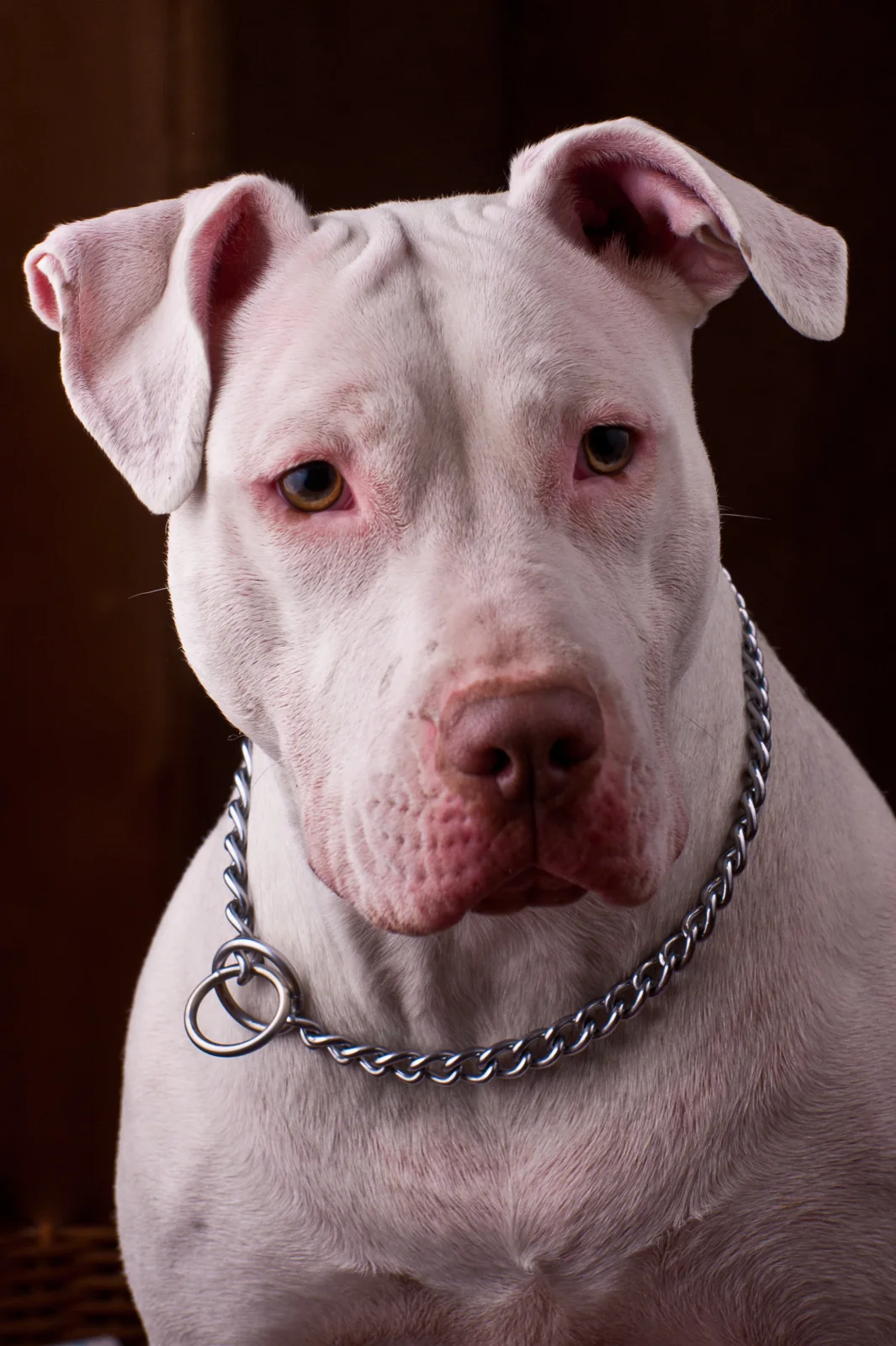
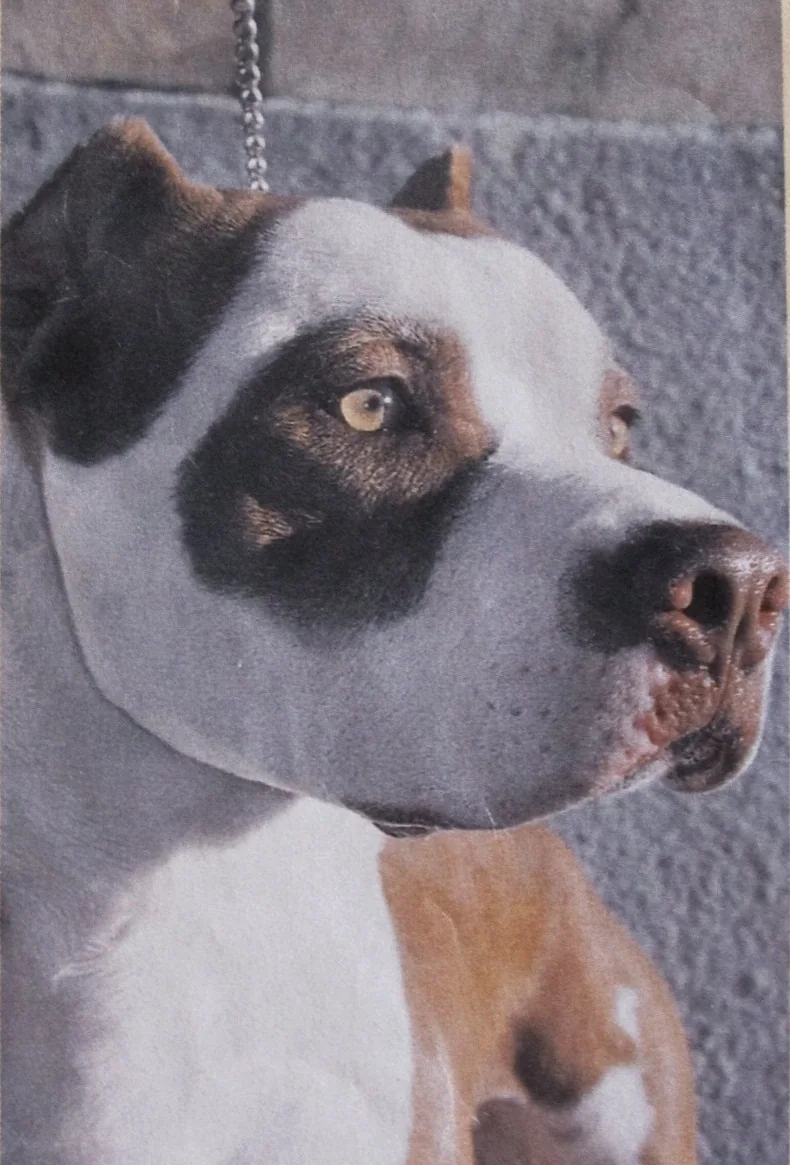
Photography note: the portrait shows Patrick Stewart. All three dog photographs are illustrative and show unrelated dogs. No photograph of Ginger, Number One, or a scene from Star Trek: Picard is reproduced here.
General guidance does not replace individual veterinary or behavior assessment.