To help your dog settle at home, meet their care needs, create a comfortable resting location, and reward voluntary calm in easy situations. Build a mat routine gradually, protect downtime from interruptions, and investigate persistent restlessness rather than treating every problem as a lack of obedience.
You finish a walk, sit down, and your dog starts another circuit of the room. Or you bring a new dog home and discover that the beautiful bed you bought is the one place they will not use. It is tempting to look for a single command that makes relaxation happen.
A useful settling plan combines the environment, your daily routine, and skills the dog can learn without pressure. It applies in a house as well as a small apartment. Floor space matters for the layout, but it does not tell you whether a dog feels comfortable or has the support they need.
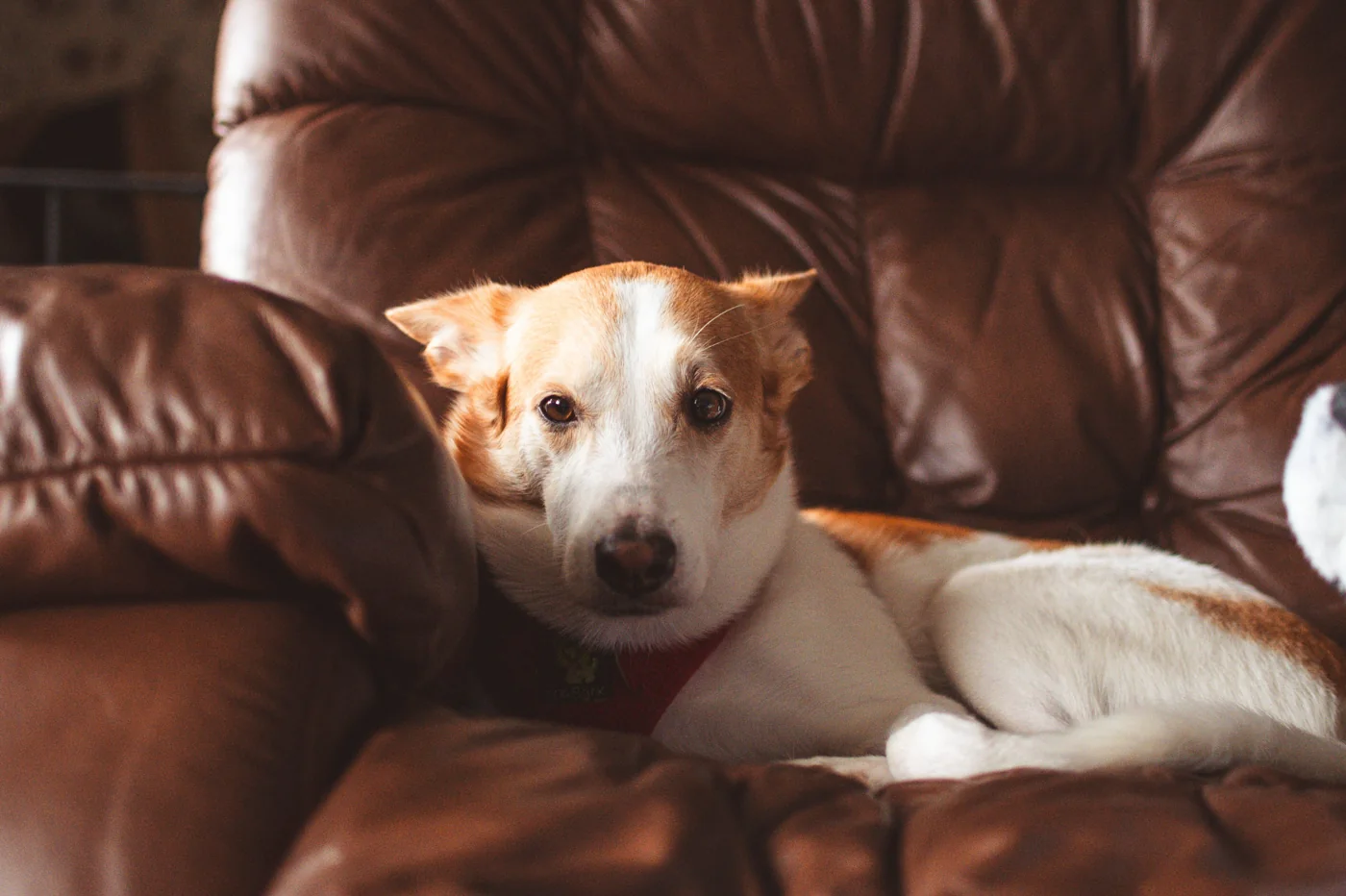
What does “settle” mean for your dog?
Decide what you are asking for before introducing a cue. You might want your dog to rest near you while you read, spend a short period on a mat during meal preparation, or have a quiet retreat when the household becomes busy. Those are different situations with different levels of distraction.
A mat behavior is an observable skill: the dog goes to a location and remains there under agreed conditions. Relaxation is a broader state that you cannot prove from a down position alone. A dog can lie still while watching every sound. Look beyond posture to whether the dog appears comfortable and can disengage from activity.
Start with a situation that already goes reasonably well
If your dog usually rests beside you after an afternoon outing, use that context first. Trying to teach settling during a crowded dinner party adds difficulty before the foundation is established. Note what is different on calmer days: location, household traffic, noise, and whether the dog has had a bathroom opportunity.
For a newly adopted dog, keep observations provisional. A quiet first day does not establish the dog’s long-term routine. Ask the previous caregiver about preferred beds, resting locations, and handling. Familiar arrangements can provide a starting point while you learn what works in your actual home.
Choose a resting place the dog can use
Look for a comfortable temperature, suitable footing, and a position away from the busiest path. A bed beside the entry may fit the furniture but expose the dog to every arrival. A spot under a desk may be cozy for one dog and feel cramped to another. Watch how the dog uses the space.
Give the dog room to stand, turn, and leave. Avoid wedging the bed between furniture so tightly that the dog must squeeze past a person to exit. Keep electrical cords, small items, and cleaning products out of reach. Consider how the location changes when a chair is pulled out or a door opens.
Test the layout before buying more equipment
Try a suitable blanket or existing bed where you are considering a new one. Notice whether people repeatedly step across it, whether another pet blocks access, and whether noise travels through the wall behind it. A layout test can reveal problems that a more expensive bed would not solve.
Check the dog’s mobility too. A slippery route or a high furniture edge may make access difficult. Ask your veterinarian about new trouble lying down, getting up, or choosing a resting position. Bed shopping is a practical task; it cannot diagnose discomfort or establish the correct medical support surface.
Introduce the mat without pressure
Place the mat in an easy environment and let your dog investigate. Reward an approach or a step onto it. Keep the first repetitions simple enough that the dog can succeed. You can use an appropriate portion of food from the feeding plan, praise, or another reward your dog values in that context.
The AVSAB’s humane-training position supports reward-based teaching. Avoid dragging the dog to the mat, pushing them down, or using corrections to keep them there. The location should predict manageable practice and comfort, not a physical struggle whenever the household needs quiet.

Add a recognizable cue
Once your dog readily approaches the mat, introduce a consistent short cue before that familiar action. Reward on the mat. Use a release word or another clear signal when the practice ends, then allow the dog to move away. Keep household language consistent so the same request does not mean several different things.
If you want a down, teach it separately or ask for it only when the dog understands and can perform it comfortably. Some dogs prefer a stand or sit during early practice. You can still reward choosing the location. A settling routine does not require forcing a particular body position.
Build duration in small, observable steps
Begin with a brief pause. Reward before the dog leaves, release, and repeat when they remain interested. Add a little time while keeping everything else easy. Then introduce a small distraction, such as you shifting in your chair. Do not increase duration, distance, and household activity all in the same repetition.
If the dog leaves repeatedly, make the next attempt easier. Check reward placement, the surface, and the distraction you added. Leaving provides information about the current task; it is not proof the dog is defiant. Finish with a manageable repetition rather than insisting on a long stay to end the session.
Reward calm choices during ordinary life
Structured mat practice is only one opportunity. You can also quietly acknowledge your dog choosing a comfortable resting spot. Keep the interaction low key so you do not turn a nap into an exciting training event. Observe which response fits your dog: some readily return to rest after food; others become more alert.
Avoid demanding attention whenever the dog is lying quietly. Constant invitations to play, repeated name calls, or visitors approaching the bed can make downtime difficult. Household consistency matters as much as the training cue. Decide when the dog is invited to interact and when everyone will let them rest.
Protect the resting area from unwanted contact
Teach children and visitors to give space, with appropriate adult supervision. The AVMA’s dog-bite prevention guidance includes respecting a dog’s discomfort and avoiding risky interactions. Do not allow someone to test tolerance by repeatedly touching or crowding a resting dog.
In a home with multiple pets, provide more than one usable location. Watch whether one animal controls a doorway or routinely displaces the other. Sharing a bed is optional, not a measure of friendship. If interactions create risk or you notice guarding, use safe separation and seek qualified behavior support.
Check the routine around the training
A settling cue cannot replace bathroom access, movement, exploration, food, water, or companionship. Review whether those needs are met before asking for extended stillness. A dog who has been waiting for an outing may need an outing, even if they know how to lie on a mat.
At the same time, adding more intense activity is not a reliable answer to every restless evening. Record what happens around the behavior. Does the dog pace near mealtime, after a noisy hallway event, or when another household member leaves? Different patterns suggest different questions for your veterinarian or trainer.
| What you notice | What to investigate |
|---|---|
| Repeatedly leaves a bed near the entrance | Would a quieter location reduce interruptions? |
| Restlessness follows a missed bathroom trip | Does the care schedule need adjusting? |
| Mat works when you sit, but not while cooking | Was movement added before the foundation was ready? |
| Difficulty getting comfortable is new | Could pain or another health issue be involved? |
| Cannot rest during absences | Is separation-related distress being overlooked? |
Our weekly enrichment menu can help organize suitable activity without filling every waking moment. If the problem occurs when you leave, use the time-alone care guide and seek individual help. A supervised mat exercise does not demonstrate comfort in an empty home.
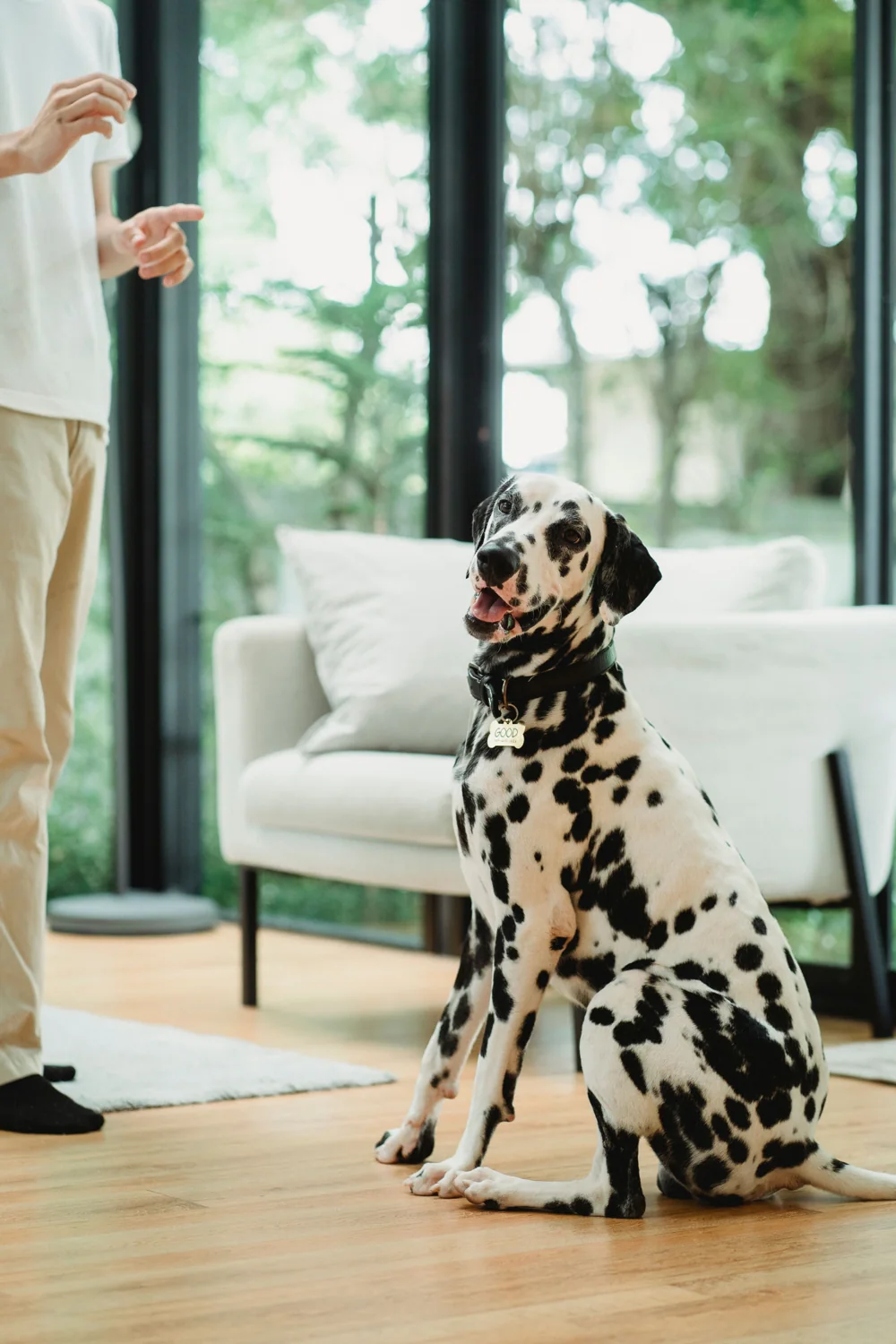
Use the skill during real household tasks
Imagine you want your dog near you while you answer emails. Start at a quieter time with a brief task you can interrupt. Place the mat where the dog can rest without your chair rolling over it. Reward an easy arrival and pause, then release before the task becomes too demanding.
Over later practice, lengthen the work period gradually. Keep appropriate care breaks in the schedule. If you have an urgent meeting, arrange a reliable management option rather than using that meeting as the first long repetition. Training should fit around necessary responsibilities, not leave the dog without support while you are unavailable.
Visitors require their own preparation
Practice the mat with familiar household movement before adding visitors. Tell guests what to do: give the dog space, avoid reaching toward the mat, and follow your guidance about greetings. A barrier or separate comfortable area may be useful when introduced safely. The mat itself does not prevent an unwanted approach.
For noise-triggered reactions, our hallway-barking article explains how to record and manage triggers. Asking for a down while the dog is already frightened may be unrealistic. Address the environmental difficulty and use skills at a level the dog can actually perform.
When settling difficulties need professional help
Contact your veterinarian if restlessness starts suddenly, the dog seems painful, movement changes, or normal rest is consistently disrupted. Record appetite, bathroom changes, and the situations in which you notice the problem. Do not diagnose boredom from pacing alone or assume a dog who is quiet during an appointment has no difficulty at home.
For ongoing fear, guarding, or separation concerns, seek qualified help using humane methods. The ASPCA’s professional-help overview describes different behavior credentials. Ask about experience with the specific concern and how the professional coordinates with your veterinarian when health or medication questions arise.
Common questions about teaching a dog to settle
Should the dog stay on the mat all evening?
No training goal requires removing ordinary choices and care breaks. Decide what short practical task you need, build it gradually, and provide comfortable resting alternatives. A dog can have a useful mat skill while choosing another location for a long nap.
What if my dog ignores the bed?
Check the location, surface, temperature, access, and prior associations. Try an easier invitation instead of repeatedly calling. If the dog rests comfortably elsewhere, that observation can guide a layout change. If they struggle to rest anywhere, investigate beyond the furniture.
How long should training take?
There is no honest universal deadline. Prior learning, health, distractions, and the task you choose all affect progress. Compare similar situations over time. A comfortable brief pause is a useful foundation even when your eventual household goal is longer.
Make downtime easy to choose
The strongest settling routine gives your dog a comfortable place, predictable care, and clear practice without pressure. Build a skill you can use in ordinary life, protect rest from interruptions, and change the plan when observations show a problem. The aim is comfortable downtime, not stillness at any cost.
Sources & further reading
Sources checked October 13, 2026. AI-assisted editorial work by MyPupwise; professional review remains pending. No veterinary review is claimed. Household examples and the observation table are original planning aids, not validated behavior assessments.
General guidance does not replace individual veterinary or behavior assessment.