Small dog care starts with measured meals, daily dental care, safe handling, suitable activity, and a preventive plan with your veterinarian. A compact body changes how you manage portions, equipment, and everyday hazards. It does not remove a dog’s need to explore, learn, rest, and make choices.
This guide helps you organize those tasks into a routine you can maintain. It focuses on caring for a dog already in your household. For breed sizes and coat differences, see our comparison of very small dog breeds.
Start small dog care with the individual
There is no single size cutoff that settles every care decision. A pet-food company, housing provider, and breed registry may use different categories. Record your dog’s current weight, body condition, age, and health needs instead of relying on the word “small.” Measure for equipment, too: two dogs of the same weight may have different chest shapes.
At the next veterinary visit, ask for a target body condition, feeding guidance, an oral-care plan, and advice about comfortable activity. Bring a list of everything your dog eats and any changes you have noticed. Mention coughing, reluctance to move, trouble chewing, or a new dislike of being picked up.
Keep the plan where all caregivers can find it. A note saying who feeds breakfast is more useful than assuming the first person awake will remember. Clear handoffs prevent duplicate meals, missed bathroom trips, and confusion about preventive products.
Measure meals instead of estimating by eye
Choose a complete and balanced food appropriate for your dog’s life stage. The nutritional adequacy statement helps distinguish a main diet from a product intended only for supplemental feeding. Ask your veterinary team to set an initial daily amount, including treats, then review how your dog’s weight and condition respond.
Keep the food label and measuring instructions together. If the plan uses grams, use a kitchen scale; if it uses a standard measuring cup, use that specific measure consistently. A heaped scoop and a level scoop are different portions, even when the bowl looks almost empty.
Make training rewards part of the food plan
AAHA recommends that a complete and balanced diet supply at least 90% of daily calories, with treats and other extras supplying no more than 10%. This is a ceiling, not a requirement to offer treats. A medically prescribed diet may require tighter limits or different rewards.
Set aside approved rewards before training. You can use part of the regular meal when your dog finds it rewarding. Count chews, table scraps, and food used to give medication. Ask the manufacturer or your veterinary team about calories when the packaging is unclear.
Track what each person gives rather than relying on memory. Put a day’s allocated treats in one labeled container, especially when children or visitors enjoy feeding the dog. Offer fresh water in an accessible bowl and wash food and water dishes regularly.
Give puppies their own instructions
A growing puppy needs a feeding schedule designed for its age and development. Do not copy an adult dog’s routine or make a very small puppy skip meals as a training strategy. If a puppy stops eating, seems weak, or behaves unusually, contact your veterinarian promptly for advice about urgency.
Build a comfortable daily dental habit
Work toward daily toothbrushing using equipment and toothpaste made for dogs. Ask your veterinary team to demonstrate the technique and check whether your dog’s mouth is comfortable enough to begin. Brushing inflamed, painful gums can hurt and create lasting resistance.
Introduce the steps gradually: accepting a brief touch near the muzzle, a gentle lip lift, and then contact with the brush. Reward cooperation and stop before the dog struggles. Practice at floor level on secure footing so a sudden movement cannot become a fall.
Brushing removes soft plaque; it does not remove established tartar. Even consistent home care cannot replace professional oral assessment and treatment when needed. Ask about appropriately sized dental products and avoid hard objects that may damage teeth. Never scrape the teeth yourself.
Report persistent bad breath, bleeding gums, dropping food, or a new reluctance to chew. These observations do not tell you the diagnosis, but they help the clinic decide what assessment is needed. Do not force the mouth open to investigate a painful area.
Make lifting and household movement safer
Being easy to lift does not mean a dog enjoys being lifted. Whenever practical, invite your dog to approach and teach a predictable cue before handling. Support the chest and hindquarters, keep the body close to you, and lower the dog gently onto secure footing. Do not lift by the front legs, collar, or loose skin.
Ask your veterinarian for a handling demonstration if your dog has pain, a back problem, a recent injury, or another medical limitation. A new flinch or growl during lifting deserves attention. Avoid repeatedly testing the sore movement.
Look at your home from dog height
Check gaps beside stairs, balcony rails, gates, and fencing. Store cords, medications, cleaning products, and small objects out of reach. A low shelf that looks tidy from standing height may put an entire bag of snacks within reach.
Prevent unsupervised leaps from high furniture. A stable ramp or another low-risk route can help some dogs, but introduce it gradually and prevent access until the dog can use it comfortably. Follow veterinary restrictions when mobility or spinal disease is involved.
Teach children to interact while seated on the floor, with an adult close enough to intervene. Let the dog leave. A separate resting area protects both the dog and children when supervision is unavailable. Never treat a retreat as an invitation to follow and cuddle.
Fit walking equipment to the dog you have
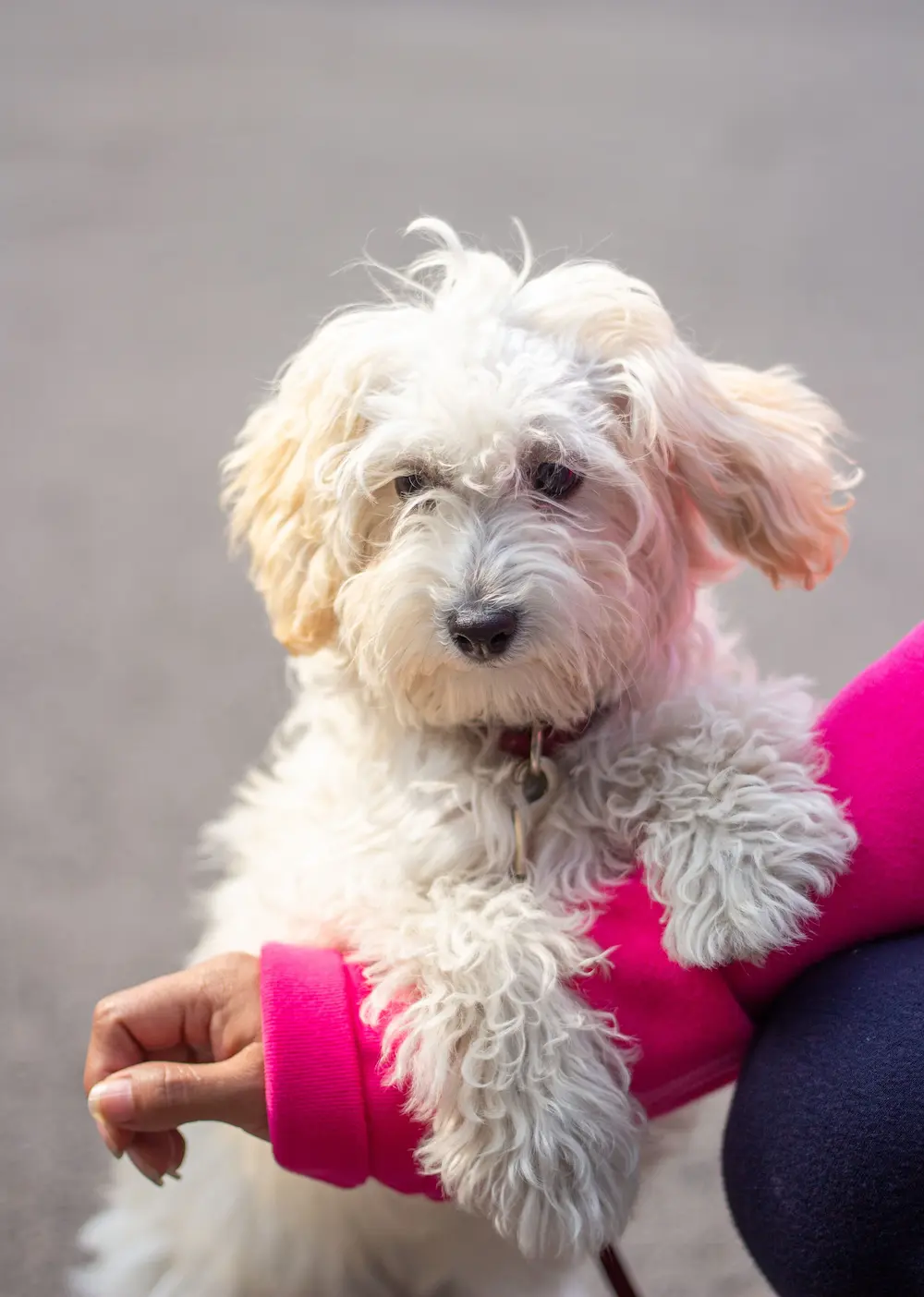
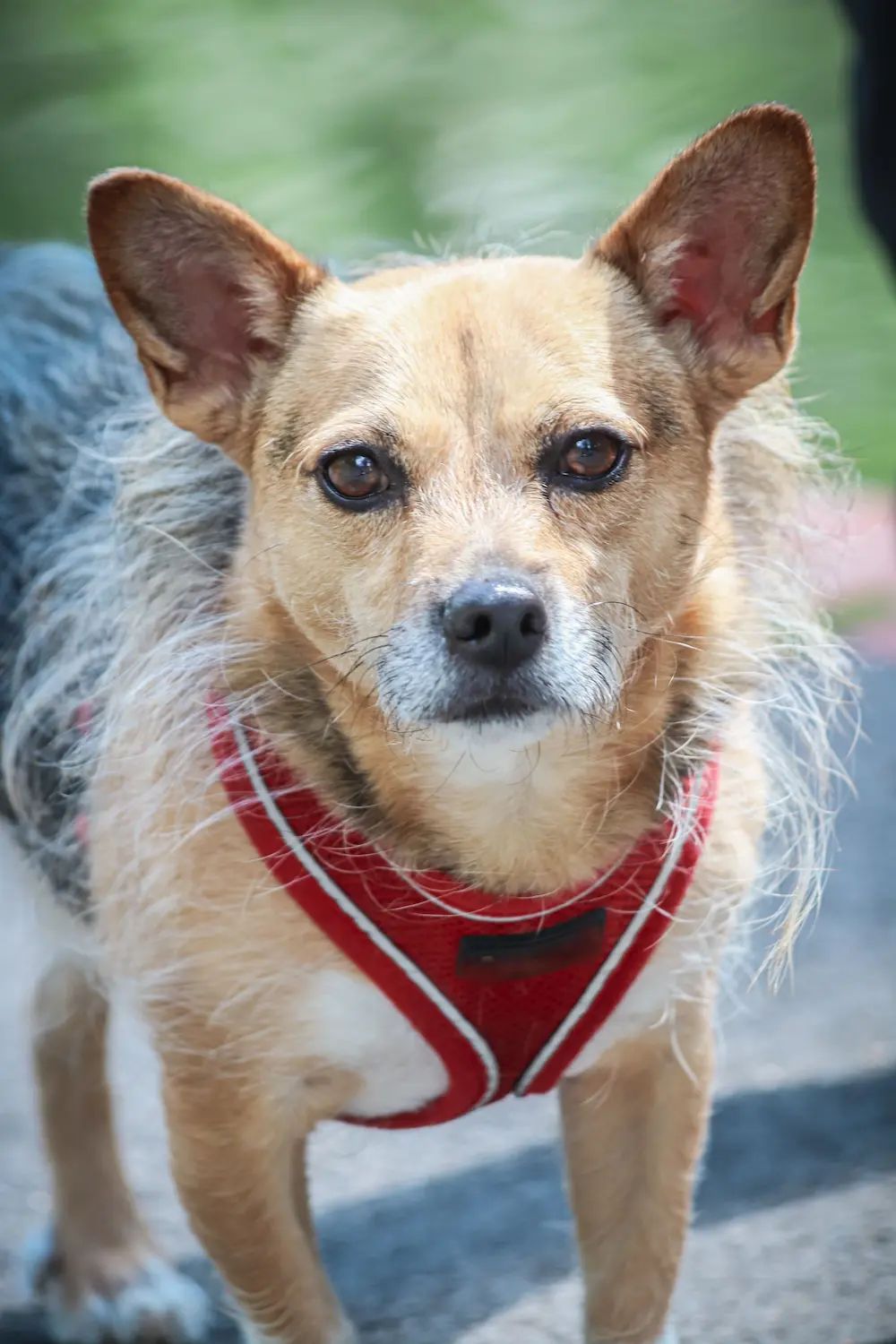
Check harness and collar fit against the manufacturer’s instructions. Look for rubbing, restricted movement, or places the dog can back out. Recheck fit as a puppy grows and whenever weight or coat changes. Choose a leash and clip that are manageable for a lightweight dog.
Practice putting equipment on in a quiet setting before a busy outing. Reward standing comfortably and allow time to investigate unfamiliar straps. Pulling a reluctant dog through the doorway can make the next attempt harder.
During walks, give the smaller dog room around bicycles, crowds, and unfamiliar dogs. Ask before allowing greetings, and skip them when either dog seems uncomfortable. Select play partners by behavior and physical compatibility; friendliness alone does not prevent an accidental collision.
Balance movement, learning, and rest
Plan daily opportunities for comfortable movement and exploration. Your dog’s health, age, conditioning, and response matter more than a fixed minute target for all small dogs. Our guide to individual exercise needs explains how to adjust activity.
Use an easy route with options to turn back. Let your dog sniff where it is safe, and pause when needed. Carrying can help with a specific hazard or a veterinary restriction, but a healthy dog also needs appropriate chances to move under its own power.
At home, try a brief reward-based lesson, an easy food search, or gentle play with a suitable toy. Supervise unfamiliar toys and remove damaged pieces. Keep success achievable instead of making every game more difficult.
Give rest the same attention as activity. Place a bed away from constant foot traffic and teach everyone to leave the dog undisturbed there. If your dog suddenly struggles to settle or becomes less willing to move, review the change with your veterinarian rather than simply adding exercise.
Adjust for weather and check the coat
Plan around conditions at ground level: pavement, wet grass, ice, and wind can change an otherwise familiar outing. Choose comfortable routes and suitable times, carry water when needed, and return home if your dog is struggling. No universal outdoor temperature is safe for every small dog.
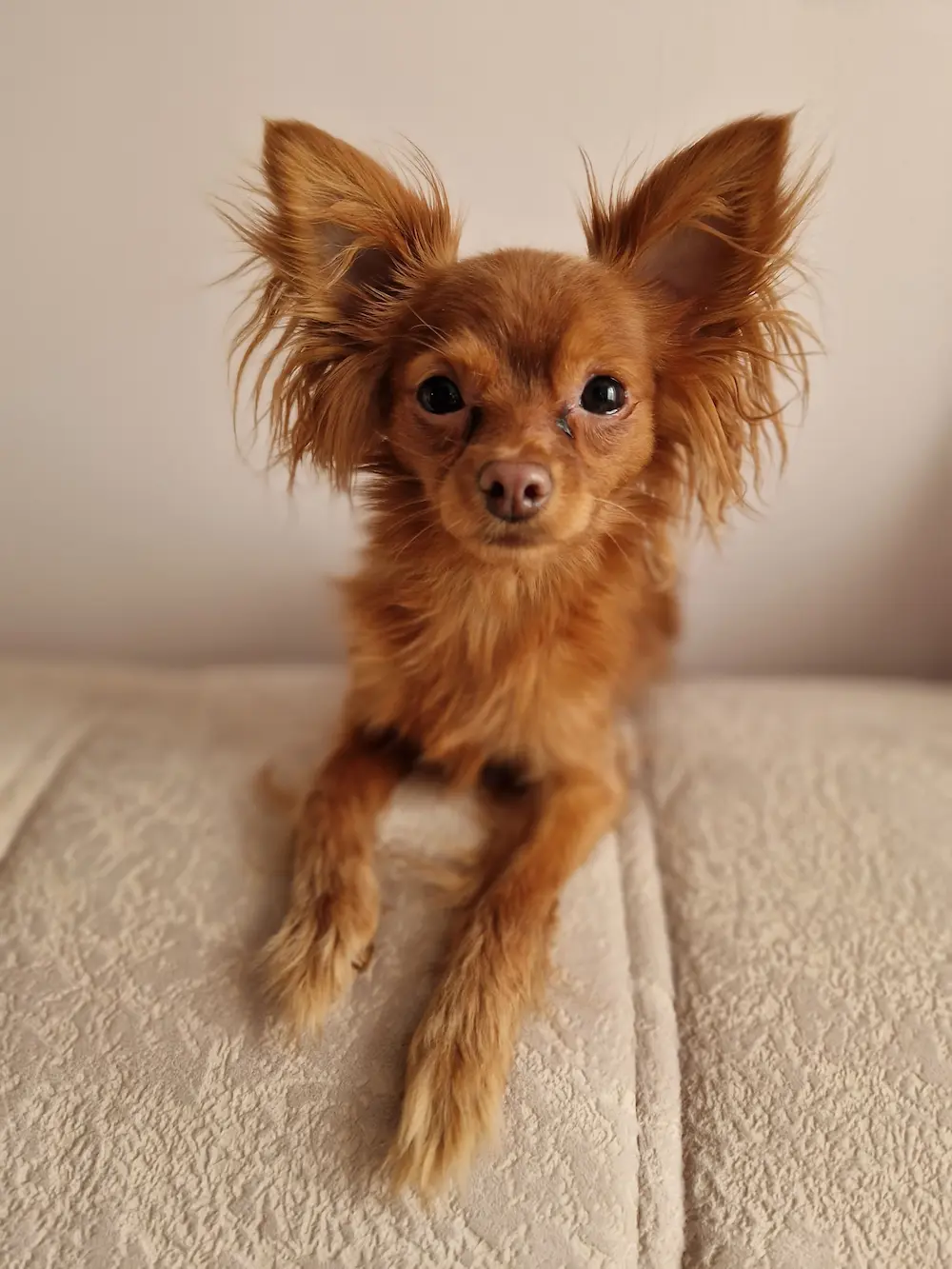
A coat may help some dogs in cold conditions, but it must fit comfortably and allow normal movement. Check beneath clothing for rubbing or dampness, and remove it when unnecessary. A sweater is not a substitute for shortening an uncomfortable outing.
Brush or comb according to the actual coat, including areas hidden under a harness. Arrange grooming before mats become extensive. Check paws and nails regularly, and ask a groomer or veterinary professional to demonstrate tasks you are unsure about. Stop if handling hurts or the skin looks inflamed.
Keep preventive care on a shared calendar
Arrange veterinary examinations at least annually; your veterinarian may recommend more frequent visits for puppies, seniors, or dogs with ongoing conditions. Discuss vaccination, parasite prevention, oral health, weight, behavior, and mobility together. A dog that spends much of its time indoors still needs an individual preventive plan.
Use products approved for your dog’s species, current weight, and age, following the label and veterinary instructions. Do not divide a larger dog’s product or substitute another pet’s medication without specific veterinary direction. Record what was given and when.
For U.S. vaccine planning, review our dog vaccination schedule guide, then confirm your dog’s requirements with the clinic. Keep records available for travel, boarding, and new caregivers. Update identification and microchip contact details when your information changes.
Include routine grooming, dental care, and backup help in your dog ownership budget. Smaller food portions do not predict the total cost of care.
A practical small dog care checklist
Use this as a household organizer, then adapt it to your veterinary plan. The intervals below describe routine checks, not a treatment schedule.
| When | Task | Notice |
|---|---|---|
| Each day | Provide planned meals, water, bathroom access, activity, rest, and comfortable dental care. | Appetite, energy, movement, and bathroom changes. |
| Regularly | Check coat, nails, paws, equipment fit, and household hazards. | Rubbing, tangles, damage, and changes in handling comfort. |
| On your calendar | Follow examination, vaccine, parasite, grooming, and dental appointments. | Due dates, current weight, and updated care instructions. |
| Before an absence | Confirm the caregiver, supplies, access, and emergency contacts. | Who is responsible for each meal and visit. |
A workable day might begin with a bathroom opportunity, breakfast, and an appropriate outing. Later, arrange needed toilet access, a short activity, and quiet recovery. In the evening, check the coat and equipment, practice comfortable dental care, and confirm tomorrow’s coverage. Adjust the order to your dog’s needs and household schedule.
Write down changes instead of relying on a vague impression that something seems different. A short note about appetite, a video of an unusual movement taken safely, or the timing of a cough can make a veterinary conversation more useful. Observation supports care; it does not replace examination.
Know when the routine needs urgent help
Difficulty breathing, choking, collapse, a seizure, serious injury, uncontrolled bleeding, suspected poisoning, or suspected heatstroke requires urgent veterinary guidance. Call your veterinarian or an emergency veterinary hospital immediately and follow their transport instructions. Do not wait for a routine appointment.
First aid is temporary support, not a substitute for veterinary treatment. Avoid putting yourself at risk around an injured, frightened dog. Do not give human medication, induce vomiting, or force food or water unless a veterinary professional specifically directs you.
Keep the emergency clinic’s number and route available before you need them. Store current medication details with the care instructions, and have a secure transport plan. Our backup dog care plan can help you prepare clear instructions for another caregiver.
Frequently asked questions about small dog care
Do small dogs need walks every day?
Most benefit from regular outings suited to their health and development, along with other activity and rest. Bathroom needs remain separate. Follow your veterinarian’s restrictions after illness or injury, and adapt the routine when weather or behavior concerns make an outing unsuitable.
How much should I feed a small dog?
There is no single portion for every small dog. Food calorie density, life stage, body condition, activity, and health affect the amount. Ask your veterinary team for a daily plan, measure consistently, count extras, and review weight changes rather than guessing by bowl size.
Is it okay to carry my small dog everywhere?
Carrying can be useful for safety or a medical need. However, a healthy dog also needs appropriate movement and exploration. Teach comfortable handling, support the whole body, and let the dog choose ground-level interaction when practical. Reassess sudden resistance to being lifted.
Do small dogs need professional dental care if I brush?
They may. Daily brushing supports home oral care, but it cannot remove established tartar or assess everything below the gumline. Your veterinarian should evaluate the mouth and recommend professional care based on the individual. Seek advice about pain before starting or continuing brushing.
Can a small dog stay home alone during work?
Size does not determine how long a dog can comfortably manage alone. Age, health, bathroom needs, previous experience, and emotional comfort all matter. Arrange reliable help when your schedule exceeds those needs, and seek support if absences cause distress.
What is the most useful thing to track at home?
Track changes from your dog’s usual pattern: eating, drinking, bathroom habits, movement, breathing, rest, and handling comfort. Share new or persistent changes with your veterinarian. A home record is useful context, while urgent signs need immediate contact rather than more observation.
Keep the routine manageable
Consistent small dog care grows from clear meals, comfortable handling, daily habits, and timely professional help. Start with the tasks your dog needs today, assign responsibility, and review the plan as health and circumstances change. A useful routine keeps your companion safe while leaving room to enjoy life together.
General care information does not replace an individual veterinary assessment. Photographs illustrate everyday care and do not establish a diagnosis or document treatment.
General guidance does not replace individual veterinary or behavior assessment.