Dogs almost certainly dream. Sleep recordings show that dogs enter rapid eye movement (REM) sleep, a stage closely associated with vivid dreams in people. During ordinary sleep, you might see a paw flick, a ripple across the muzzle, or a few soft sounds. If your dog stays relaxed and settles back into quiet sleep, you can usually leave them to rest.
What you see from the couch tells you more about how your dog is moving than what they might be experiencing. A whimper alone gives you no reliable way to identify a nightmare. If the movements are forceful or sustained, or your dog is confused or weak afterward, get veterinary advice. Here’s what to look for and how to respond without startling your dog.
What do dogs dream about?
Familiar sights, smells, and activities are plausible ingredients in a dog’s dreams. A dog whose paws paddle might be dreaming about a walk, a game, or something else entirely. We can measure sleep and watch behavior, but no test can tell you whether your dog was chasing a squirrel or waiting for breakfast. Even the direction of an eye movement gives you no reliable clues about the dream itself.
What sleep recordings can tell us
Researchers can study a sleeping dog with sensors that record signals such as brain activity, eye movements, and muscle tone. An electroencephalogram, or EEG, measures electrical activity in the brain. By comparing those signals, researchers can distinguish patterns associated with wakefulness, non-REM sleep, and REM sleep. Slow-wave sleep is part of non-REM sleep.
During REM sleep, the brain is active and the eyes can move quickly beneath the lids. Most large skeletal muscles have reduced tone during this stage. Small, temporary bursts of muscle activity can still happen, which is one reason a sleeping dog can look loose and comfortable overall while the toes or lips twitch. You may notice a change in breathing rhythm or hear a muffled sound before the dog goes quiet again.
REM sleep supports the inference that dogs dream. Measuring it gives researchers a way to study when and how dogs sleep, while the content of an individual dream remains out of reach. At home, pay attention to the whole episode. A single sound or motion offers less information than the way it starts, ends, and fits into your dog’s usual behavior.
Why does my dog twitch or whimper while sleeping?
A few small, irregular movements during otherwise peaceful sleep often fit a normal pattern. The toes might flex twice, then go still. A whisker might move, followed by a murmur. Some dogs make a soft bark or pedal their feet for a moment. The rest of the body may remain relaxed. Look at the chest, shoulders, and face as well as the paw that first caught your attention.
Dog owners often notice these moments at night because the house is quiet. During the day, the same sound might disappear beneath the radio or the dishwasher. If your dog makes one brief sound and continues sleeping comfortably, you can give them space. Watch for a meaningful change in pattern, such as a dog who begins repeatedly crashing into the side of a crate or has intense movements during naps and acts unsteady afterward.
Can dogs have nightmares?
Dogs may have unpleasant dreams, but whimpering, barking, or moving in sleep cannot establish that one is happening. It’s natural to want to intervene when your dog sounds distressed. First, give yourself a moment to observe. If the sounds stop, the body stays relaxed, and breathing looks comfortable, let your dog sleep. Recurrent, unusually vigorous behavior deserves a conversation with your veterinarian, particularly if it disrupts rest or puts the dog at risk of injury.
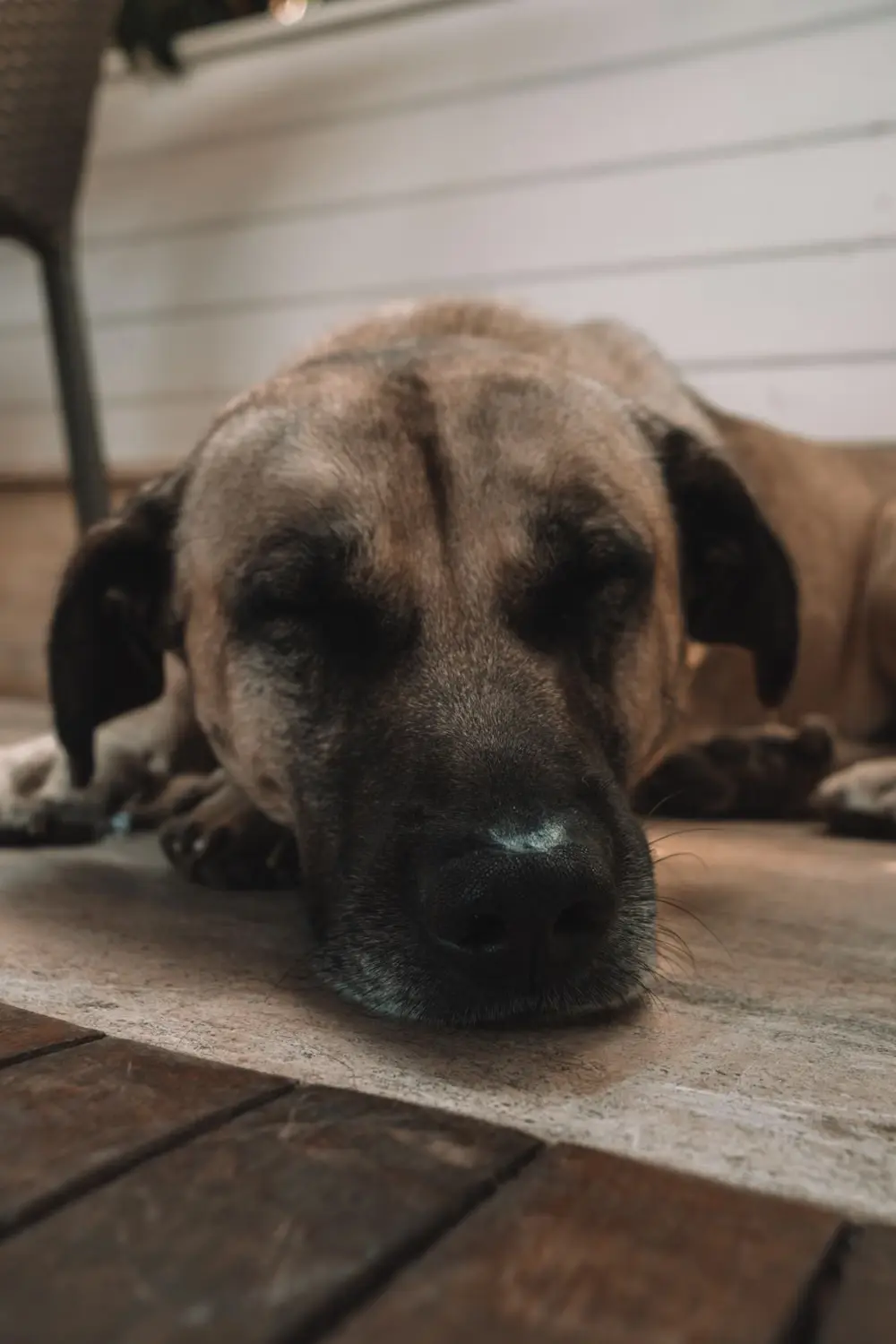
Dog dreaming vs. a seizure
Ordinary sleep twitches and seizures can look alike in a short clip. Movement intensity, body posture, timing, and recovery are more informative together than any one clue. Some seizures affect only part of the body, and seizures can happen around sleep. Use these observations to describe what happened to your vet.
| What to watch | Often seen in ordinary sleep | Reasons to call a vet |
|---|---|---|
| Movement | Brief, uneven flicks of the paws, face, or ears | Marked stiffness, forceful repeated jerks, or unusual movements that continue or recur |
| Other signs | Soft sounds and otherwise comfortable breathing | Heavy drooling, loss of bladder or bowel control, collapse, or trouble breathing |
| Afterward | Returns to quiet sleep or behaves normally when awake | Confusion, weakness, stumbling, or failure to recover as expected |
For example, a dog who flicks a foot and soon settles back into quiet sleep is showing a different pattern from a dog who stiffens, jerks repeatedly, and then walks into furniture. Contact your veterinarian promptly after a first suspected seizure, even if your dog seems back to normal. If your dog has a known seizure disorder, follow the plan your veterinarian gave you.
Sleep disorders can also cause unusual movement. A veterinarian may need a history and a video to decide which possibilities to investigate. If you noticed froth or excess drool, the MyPupwise guide to foaming at the mouth in dogs explains other warning signs and what details to report.
When to seek emergency veterinary care
Contact an emergency veterinary hospital right away if a suspected seizure reaches five minutes, if more seizures follow without a full recovery, or if your dog has trouble breathing. Repeated suspected seizures close together warrant urgent veterinary advice even if your dog seems to recover between them. If the event is already concerning, call while it’s happening for guidance on safe transport.
Start a timer. Keep children and other pets back. If you can safely clear nearby hard objects, do so, and keep your dog away from stairs and sharp edges. Avoid restraining your dog or putting your hands near their mouth. A dog can bite during or after a seizure. If someone else can safely record the episode while you handle the call, a short video can help your vet. Prioritize safety and getting help.
Should you wake a dreaming dog?
Usually, let your dog sleep through brief, ordinary movements. A dog startled awake may need a moment to get their bearings. Teach children to give the dog’s bed the same space they would give an animal eating. Keep faces and hands out of the resting area, even if your dog is normally affectionate.
If you need your dog to wake for a practical reason, such as moving away from a closing door, stand back and say their name softly. Give them time to lift their head and look around. Let your dog approach before reaching for their collar or offering a hand. If you suspect a seizure, focus on safety and timing. Trying to wake the dog cannot establish what caused the episode.
A dog who hears less well may sleep through a soft voice. The guide to how dogs hear explains why sound can be an unreliable cue for some dogs. If waking is routinely difficult or your dog increasingly startles when approached, ask your veterinarian about hearing, vision, pain, and other changes. In the meantime, put the bed somewhere everyone can walk past at a comfortable distance.

Set up a place where your dog can sleep undisturbed
Look at where your dog chooses to lie down when the house is quiet. That spot can tell you whether they prefer being near the family, lying on a cooler surface, or tucking into a sheltered corner. Put a stable bed on a level surface with room for your dog to stretch and get up easily. Keep it away from doors, narrow paths, and the spot where people drop bags or take off their shoes.
A busy apartment may need two resting spots: one near the couch for evening company and one farther from the hallway for deeper rest. The guide to helping a dog settle in a small home has more ideas for building a predictable routine. For dogs that like an enclosed spot, compare a crate, pen, and open bed based on comfort and safe access. Leave enough space for your dog to change position easily.
If your dog is older, watch the transition from lying down to standing. Slipping, repeated circling before lying down, or avoiding the bed they used to prefer can be worth mentioning at a vet visit. A low bed on a surface with traction can make access easier. Our guide to making home easier for a senior dog covers more adjustments.
In the evening, keep the sequence simple. A bathroom trip, fresh water, and a quieter room may be enough. If household noise is the issue, try moving the bed away from the source first. Some dogs settle with gentle background sound, while others choose a quieter room. Judge the setup by whether your dog chooses it and rests comfortably.
It helps to think about what changed across several days. A dog who always naps after the morning walk and makes a few soft sounds has a pattern you can recognize. If that same dog suddenly wakes repeatedly, moves from bed to bed, or struggles to lie down, note when the change started. Discomfort, household noise, and a change in routine can all look like restless sleep at first. An account of what happens when your dog is awake can help your vet ask better questions about the night.
If you share care with a partner, sitter, or family member, agree on which observations to pass along. Ask for the time and duration of an unusual episode, where it happened, and what the dog did next. Keep your clinic’s number and the nearest emergency hospital’s number where everyone can find them. That way, the person who sees the episode can call for advice without having to reconstruct your dog’s history on the spot.
Stairs and high furniture can matter if a dog moves vigorously during sleep. Until you’ve spoken with your vet, offer a roomy place to rest at floor level and keep the area clear of hard objects. Let your dog get there on their own if they can move comfortably.
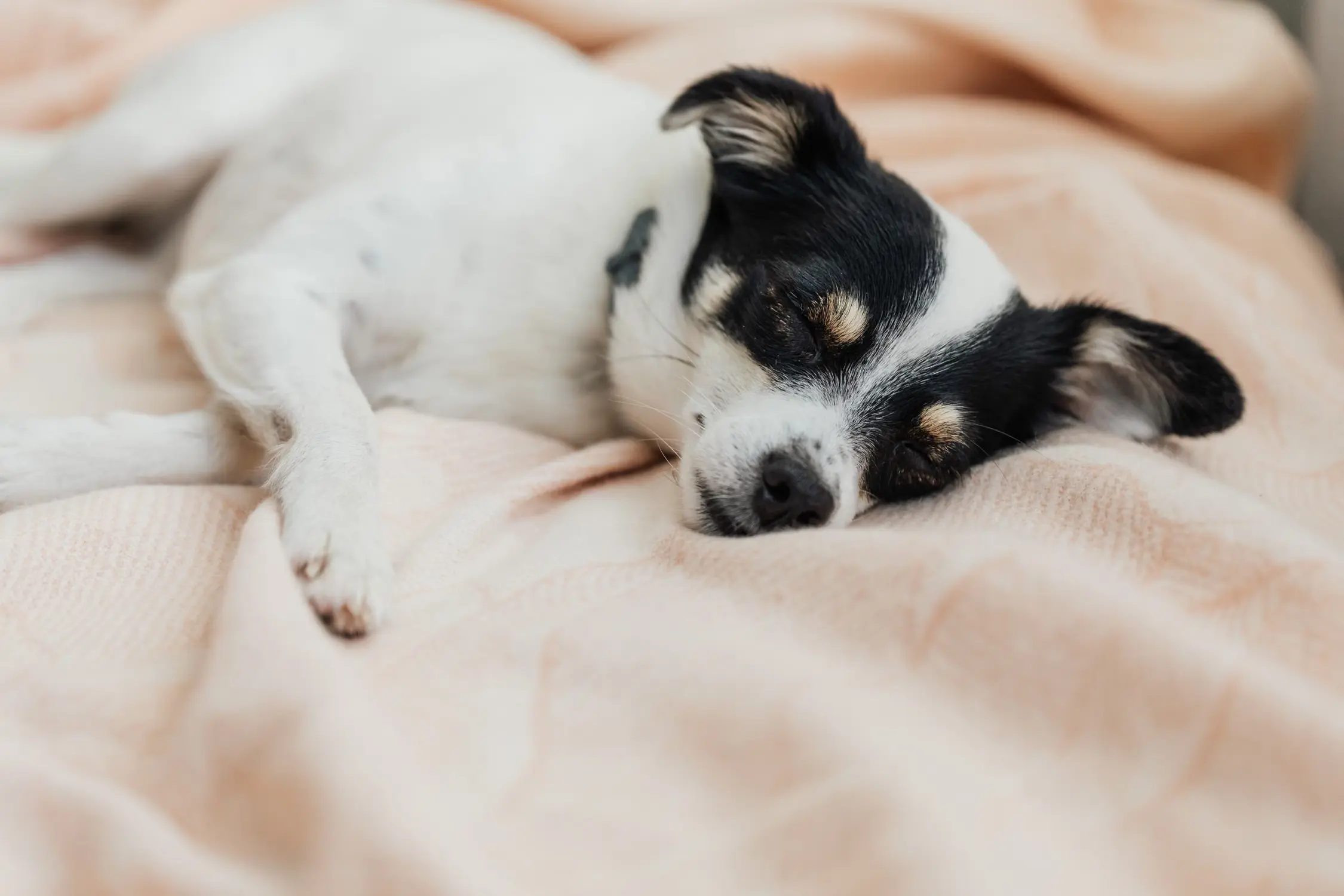
What to record if you notice a change
Write down what you observed while it’s fresh. A brief note such as “asleep on side, left front paw flicked three times, back to stillness, walked normally at breakfast” gives more detail than “bad dream.” For repeated events, a record can show whether they cluster at a particular time or whether your dog behaves differently in between.
- Before: Was your dog asleep, just settling down, waking up, or fully awake?
- During: Which parts of the body moved? Did the rest of the body look relaxed or stiff? How long did it last?
- After: How soon did your dog return to their usual behavior? Note any stumbling, disorientation, weakness, or unusual breathing.
- Context: Mention new medications, known health conditions, and possible exposure to toxins when you call.
If it is safe to record, film from a distance and include the whole body as well as the surrounding space. Keep the original clip so your veterinarian can see the timing. A video helps the clinic decide what to ask next. During an emergency, make the call first.
Frequently asked questions
Do dogs dream every time they sleep?
You can’t tell whether a dog dreams during a specific nap by watching from across the room. Dogs cycle through different sleep stages, and visible movement varies. A still nap can include REM sleep.
Why does my dog look like they are running in their sleep?
Brief paddling motions can occur during normal sleep. Look at the full pattern, including whether the body stays relaxed and whether the dog settles afterward. Forceful, prolonged, or repeated paddling deserves veterinary attention.
Can a dog dream with their eyes partly open?
Some dogs rest with their eyes partly open, and you may see the eyes move during sleep. Eye position alone cannot tell you what stage of sleep your dog is in or rule out a medical problem. Call your vet if eye movements also happen while your dog is clearly awake, especially with a head tilt or loss of balance.
Why does my puppy twitch during naps?
Brief twitches during an otherwise quiet nap can be normal in a puppy. Take note if the movements are sustained, happen while the puppy is awake, or come with weakness or changes in behavior. Contact your veterinarian promptly if you suspect a seizure.
What if my older dog suddenly starts making noise at night?
Consider whether the sounds happen during sleep or while your dog is awake, pacing, or struggling to get comfortable. A new pattern is worth discussing with your veterinarian. Bring notes on when it began, how often it happens, and any changes in movement, appetite, or bathroom habits.
Should I comfort my dog after a suspected nightmare?
Give your dog space to wake fully. If they seek you out and appear comfortable, sit nearby or offer calm contact. If they stay disoriented or seem weak, get veterinary advice and explain what you saw before they woke.
Let your dog sleep and watch for changes
Brief movements during a relaxed nap usually call for a little space and quiet. If an episode becomes forceful, repeated, or followed by unusual behavior, time it and call your veterinarian. Knowing how your dog normally sleeps will help you describe what changed.
General guidance does not replace individual veterinary or behavior assessment.