A dog peeing in the house needs a clearer bathroom routine, closer supervision, or help with a health or emotional problem. Start by offering more chances to use the right spot and rewarding each success immediately. Clean accidents thoroughly, skip punishment, and contact your veterinarian if a previously reliable dog suddenly starts having accidents.
You do not have to solve everything today. First, choose a bathroom location, put rewards by the door, and start a simple log. This guide explains how to potty train a dog through everyday decisions, whether you have a young puppy, an adopted adult, a backyard, or an indoor toilet setup.
Urgent warning: Repeated straining with little or no urine can be a veterinary emergency. Seek urgent veterinary care instead of treating it as a training problem.

Why Is My Dog Peeing in the House?
Look at when, where, and how accidents happen. A puddle after a long nap suggests a different problem from a few drops during an excited greeting. These patterns guide your next step; they cannot diagnose a medical condition.
Incomplete training and changing routines
Dogs do not automatically understand that every indoor surface is off limits. A puppy may learn the kitchen routine without understanding the upstairs hallway. Young puppies also have developing bladder control and need adults to arrange frequent opportunities.
A move, a different work schedule, visiting relatives, or a closed back door can disrupt a familiar system. Ask whether your dog can reach the usual exit and whether anyone is actually noticing requests. A dog who once scratched a sliding door may need help learning a new signal.
Marking, excitement, and stress
Marking often involves smaller amounts deposited at several locations, sometimes against upright objects. Ordinary emptying often leaves a larger puddle. However, size and location alone cannot rule out illness, and either sex can mark.
Some dogs leak during greetings or frightening interactions. Others have accidents when left alone because they are distressed. Watch for accompanying behavior, such as pacing, vocalizing, or efforts to escape. Punishment can make fear worse. Your dog is not peeing indoors to get revenge.
Health and access problems
Urinary discomfort, changes in urine production, leakage during rest, or difficulty reaching the door deserve veterinary attention. An older dog may also struggle with stairs or slippery floors. Do not assume stubbornness, age, or poor training explains a new pattern.
How to Potty Train Your Dog: 10 Practical Steps
1. Choose one clear bathroom destination
Pick an accessible outdoor area or a designated indoor toilet. Use the same route initially, and accompany your dog. A fenced yard helps with access, but opening the door does not tell you whether your puppy actually peed.
Keep the location safe and easy to reach in rain or darkness. For puppies, discuss suitable outdoor exposure with your veterinarian using our dog vaccination schedule guide to prepare your questions.
2. Build a predictable daily rhythm
Arrange regular meals, sleep, play, and bathroom trips around your household. Make the plan visible on the refrigerator. Predictable does not mean rigid: an early nap ending calls for an early trip, even if the next scheduled break is later.
3. Offer breaks at transition points
Take your dog to the toilet after waking, eating, drinking, or energetic play, and before bedtime. Offer additional opportunities between those events. Keep fresh water available; adjust the bathroom schedule around drinking rather than limiting normal access to water.
4. Notice the early signals
Watch for concentrated sniffing, circling, wandering away, suddenly stopping play, or moving toward a familiar accident spot. Some puppies give almost no warning. If you keep missing the signal, shorten the interval between opportunities instead of waiting for a more obvious request.
5. Add a quiet verbal cue
Say “Go potty” softly as your dog begins eliminating. Avoid repeating it while your dog is distracted or sniffing. Over time, the phrase can become a useful reminder. It does not make a dog with an empty bladder urinate on demand.
6. Reward immediately after finishing
Carry a few small treats to the bathroom area. Once your dog finishes, praise calmly and deliver a reward there. Waiting until you reach the kitchen rewards returning indoors, which makes the lesson less clear.
Let a successful trip lead to a little relaxed sniffing when possible. If every pee immediately ends outdoor time, an interested dog may become reluctant to finish. Keep bathroom trips calm without making them unpleasant.
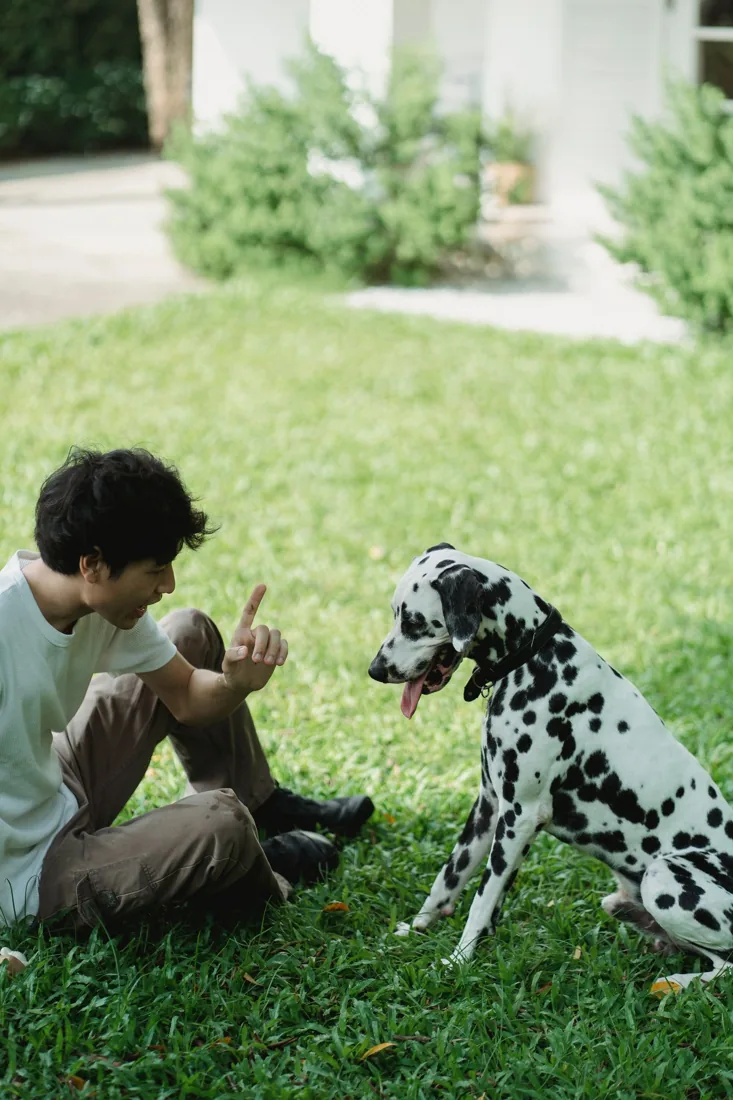
7. Supervise or provide a suitable managed space
During active time, stay close enough to notice movement and respond. A baby gate can keep your dog in the room with you. When you cannot watch, use a comfortable, familiar pen or other safe area with an arrangement that meets bathroom needs.
A crate is appropriate only when the dog is comfortable there and the interval is suitable. It cannot replace necessary breaks. Our crate, exercise pen, or open bed guide can help you choose the setup.
8. Respond calmly to accidents
If you notice your dog starting, gently guide them to the toilet if you can do so without frightening them. Reward any finish in the correct place. If the puddle is already there, quietly clean it and note what happened before it.
For example, “Tuesday, 2:15 p.m., hallway, ten minutes after play” gives you something to change. “Bad dog again” does not. Never rub your dog’s nose in urine or bring them back to inspect a past accident.
9. Expand freedom in small steps
After a consistent stretch of success in one supervised area, try a brief visit to another room immediately after a successful bathroom trip. Stay present. If accidents return, reduce access and increase opportunities without treating the change as a punishment.
10. Get every household member involved
Use the same location, cue, rewards, and handoff system. Record who took the last trip and whether the dog urinated. “I thought you went” is a common gap. Give visitors a simple instruction: alert an adult when the puppy wakes.
What if my dog goes outside but pees after coming in?
Outside may be too exciting, frightening, or unfamiliar. Try a quiet spot on leash and allow several calm minutes. If nothing happens, return indoors under close supervision, then try again shortly. Do not release the puppy to roam just because you attempted a trip.
For instance, bring your puppy back beside you in the kitchen while you finish a short task, then revisit the same spot. If the pattern repeats, log the timing and consider whether pain, distractions, or an inaccessible surface needs attention.
Puppy Potty Training by Age
A puppy potty training schedule should create opportunities, not test endurance. The examples below are starting points during waking hours. Add trips after activities and shorten intervals whenever your puppy needs them. Sleep, health, size, and individual development all affect timing.
| Age | Example starting opportunities | What to watch |
|---|---|---|
| 8–12 weeks | Start with frequent offers, perhaps every 30–60 minutes while awake, plus transition breaks. | Busy play may require even earlier trips; overnight help is often needed. |
| 3–4 months | Consider offers around every 1–2 hours during calm awake time, adjusted to the log. | Do not stretch a successful interval during excitement or after drinking. |
| 4–6 months | Keep event-based trips; cautiously extend selected calm intervals if the dog remains comfortable and dry. | Success in one room does not establish reliability everywhere. |
| Older puppies and adults | Offer waking, meal-related, daytime, and bedtime breaks; start more frequently during retraining. | Sudden changes, discomfort, or leakage require veterinary advice. |
These are illustrative offers, not minimum holding times or a promise that your dog can wait. Arrange help or an appropriate toilet area when your absence exceeds your dog’s current needs. Never use an age-based formula to override distress or repeated accidents.
House Training an Adult Dog or Newly Adopted Dog
Start an adult dog with the same clear teaching process, without assuming they know your rules. A dog may have lived outdoors, used pads, or had a door that stayed open. The new home requires new information.
For the first days, keep the route short, offer frequent accompanied breaks, and reward successes. Track normal patterns before extending intervals. Read your first week with a dog for help building a calmer arrival routine.
If the dog avoids going while watched, give them space on a loose leash and avoid hovering. Never force an uncomfortable position. For mobility limitations, ask your veterinarian about an accessible setup. For an established dog with a sudden change, book an examination rather than simply restarting stricter training.
Imagine adopting an adult on Saturday and returning to work Monday. A quiet weekend does not show that the dog can manage your weekday absence. Arrange a midday helper, leave clear instructions, and compare notes. If the helper reports a dry floor but no successful pee, that is missing information rather than proof that the dog needs fewer breaks.

Potty Pads vs. Outdoor Training vs. Dog Grass Trays
The best destination is one your dog can safely reach and your household can maintain. Consistency matters more than judging another family’s housing or schedule.
| Option | Useful when | Limits and upkeep |
|---|---|---|
| Outdoor toilet area | You can provide frequent access to a yard or suitable walking route. | Weather, stairs, and access delays need a backup plan. Remove waste and supervise. |
| Absorbent puppy pads | An indoor destination is necessary or part of a planned transition. | Some dogs confuse soft surfaces. Secure pads and prevent chewing or swallowing them. |
| Dog grass tray | A defined grass-like indoor or protected outdoor surface fits your home. | Drainage, regular cleaning, and safe placement matter. Natural and artificial grass need different care. |
Keep an indoor toilet away from food and bedding, with enough room to stand and turn. Replace soiled materials promptly and follow the tray’s cleaning instructions. A balcony must be securely enclosed and safe; a tray does not make an unsafe balcony suitable.
Moving from pads to an outdoor toilet
First reward reliable use of the pad. Then introduce the outdoor destination during easy opportunities, such as after waking. Reward outdoor success generously. If helpful, move the pad toward the exit in small stages while keeping it accessible.
Do not remove the indoor option before you can provide enough outdoor trips. Change one thing at a time and keep records. If you need to coordinate elevators and long corridors, use our specific guide to potty training when you live several floors up.
Surface changes can take practice. A puppy familiar with a flat pad may hesitate on wet grass; another may refuse a tray with a high edge. Make access easier and reward the destination you want. Do not place urine-soaked material where children can handle it, and keep indoor toilet supplies separate from food preparation areas.
How to Clean Dog Urine Properly
Residual odor can encourage another visit to the same place. Cleaning is part of training, although repeated use can also reflect habit, poor access, or a medical problem.
- Remove fresh urine. Blot with absorbent towels rather than spreading it across a larger area. Keep your dog away during cleaning.
- Check the surface and label. Choose a urine cleaner suitable for that flooring or fabric. Test an inconspicuous area first, especially on wood, stone, or delicate rugs.
- Treat the affected depth. An enzymatic cleaner needs the contact time and coverage stated on its label. Carpet backing or padding may hold urine beyond the visible spot.
- Finish and dry as directed. Follow ventilation, rinsing, and drying instructions. Block access until the area is safe for pets.
For sealed hard flooring, remove liquid promptly and avoid soaking seams. For carpet, blot first and check whether the padding also needs attention. Persistent odor or extensive damage may require professional cleaning or replacement of affected material.
Never mix cleaning chemicals, including bleach with ammonia-containing products. Do not layer different cleaners unless their instructions explicitly permit it. Store products securely; fragrance alone is not evidence that urine has been removed.
Mark treated spots on a simple room sketch so everyone knows where cleaning is still in progress. Move a washable rug temporarily if it repeatedly attracts accidents, then reintroduce it under supervision after cleaning and improved toilet habits. Removing the rug can simplify management, but it does not replace teaching a preferred destination.
A Seven-Day Potty Training Starter Plan
Seven days organize the process; they do not guarantee a fully trained dog. Match the plan to your dog’s health and current ability. Progress means better information and more successful opportunities, not a perfect calendar.
| Day | Action | Small goal |
|---|---|---|
| 1: Set up | Choose the toilet, prepare rewards, clean old spots, and begin a log. | Record every observed pee and accident. |
| 2: Find patterns | Add breaks before the usual accident times and after waking or play. | Prevent one recurring missed opportunity. |
| 3: Improve rewards | Carry treats outside and reward immediately after finishing. | Make successful trips easy to recognize. |
| 4: Coordinate people | Assign morning, daytime, evening, and overnight responsibilities. | Remove uncertain handoffs. |
| 5: Review access | Check doors, stairs, weather, and the supervised living area. | Fix one practical obstacle. |
| 6: Adjust carefully | If the log supports it, trial a little more supervised space after a successful trip. | Keep the dog comfortable; reduce space if needed. |
| 7: Plan ahead | Compare early and recent patterns; arrange help for workdays. | Choose the next realistic adjustment. |
An example day and a useful log
In a household waking at 6:30 a.m., take the puppy straight to the toilet, offer breakfast, then provide another opportunity afterward. Add breaks during the morning, after each nap, around lunch, after afternoon play, after dinner, and before bed. A young puppy will need extra trips between these anchors.
Write entries such as “10:05, woke from nap; outside pee at 10:08; rewarded.” If an accident happens at 10:04, tomorrow’s plan should respond to waking sooner. Include water, meals, location, and symptoms when relevant, without turning the log into a reason to restrict drinking.

Common Potty Training Mistakes
Yelling, hitting, and nose rubbing can teach a dog that eliminating near you is unsafe. A puppy may then hide behind furniture instead of learning the correct location. Delayed punishment does not clearly connect an earlier puddle with a different bathroom choice.
Restricting water, extending confinement, or expecting the dog to wait through a full workday does not teach the skill. A crate should remain a comfortable resting place, never a penalty box. Arrange breaks, a sitter, or a suitable toilet setup instead.
Another mistake is changing every part of the plan after one accident. Review the pattern first. If biting and frantic play make supervision difficult, our guide to stopping puppy biting offers a separate plan for that behavior.
When to See a Veterinarian
Contact your veterinarian for blood in urine, painful urination, unusually frequent trips, increased thirst, leakage during sleep, or a sudden loss of previously reliable habits. Mention medications, recent changes, and whether your dog seems aware of the leakage.
Repeated attempts with little or no urine, especially with straining, require urgent veterinary care. Do not wait for the training plan to work. A log can help describe events, but collecting details should never delay urgent treatment. Avoid diagnosing the cause or giving leftover medication yourself.
Frequently Asked Questions
How long does it take to potty train a dog?
There is no fixed deadline. Age, previous learning, health, access, and consistency affect progress. Look for fewer accidents and more predictable successful trips. Several good days are encouraging, but they do not prove reliability in every situation.
How do I stop my dog from peeing in the same spot?
Clean the full affected area with a suitable urine cleaner, prevent unsupervised access, and offer a toilet trip before the usual accident time. If the pattern persists or changes suddenly, discuss it with your veterinarian.
Why does my puppy pee right after coming inside?
Your puppy may have been distracted or uncomfortable outside. Use a quieter location, stay with them, and reward actual elimination. After an unsuccessful trip, supervise closely indoors and try again soon instead of allowing free roaming.
Can you potty train an older dog?
Yes, older dogs can learn a new routine. Start with accessible locations, frequent opportunities, and immediate rewards. Ask your veterinarian about new accidents, mobility problems, or leakage rather than assuming an older dog cannot learn.
Should I use puppy pads?
Pads can provide a necessary indoor toilet. Choose a stable location and supervise dogs who might shred or swallow them. If outdoor toileting is your goal, introduce that destination gradually while maintaining enough bathroom opportunities.
How often should I take my puppy outside?
Offer trips after waking, meals, drinking, and play, plus frequent chances between them. Use the age table only as a starting example. Shorten intervals whenever your puppy’s log, activity, or signals show a need.
Why does my dog pee indoors even after being trained?
Changes in access or routine, stress, marking, and health problems can all contribute. A sudden change deserves veterinary attention. Meanwhile, return to closer supervision and more frequent breaks without punishment.
What should I do about accidents at night?
Provide a final bedtime opportunity and arrange quiet overnight breaks according to your puppy’s needs. Track when accidents occur and offer help earlier. Do not withhold normal water access or leave a distressed puppy soiling their sleeping space.
Should I punish my dog for peeing inside?
No. Punishment can create fear and hidden accidents. Calmly manage an accident, clean thoroughly, and change the setup that allowed it. Rewarding the right location gives your dog clearer information.
What if my dog only pees when left alone?
Check whether the absence exceeds bathroom needs and arrange help. If accidents accompany pacing, barking, or escape attempts, seek veterinary and qualified behavior support. Distress requires its own plan; longer crating may worsen it.
A home camera can help you describe when the problem begins, if you already have one. Note whether the dog settles first or becomes upset soon after departure. Share those observations with your veterinarian. Do not deliberately prolong a distressing absence just to obtain a recording.
Start With the Next Successful Bathroom Trip
Choose the location, prepare a reward, and take your dog there at the next likely opportunity. Build from that success with a written routine and realistic supervision. If pain, unusual thirst, leakage, or sudden changes appear, contact your veterinarian; straining with little or no urine needs urgent care.
General guidance does not replace individual veterinary or behavior assessment.