Most dogs show signs of being in heat for about two to three weeks, although some seasons last closer to four weeks. If you are asking, “How long does a dog stay in heat?” count from the first swelling or discharge—not just the days you notice blood. The sexually receptive stage, called estrus, is only part of that time. Less bleeding can coincide with fertility, so it is not a signal to relax pregnancy precautions.
Finding spots on the floor or seeing a sudden change in your dog’s behavior can be unsettling. Knowing what to watch for helps you keep her comfortable, prevent an unwanted mating, and recognize when she needs a veterinarian. This guide provides general education, not an individual diagnosis.
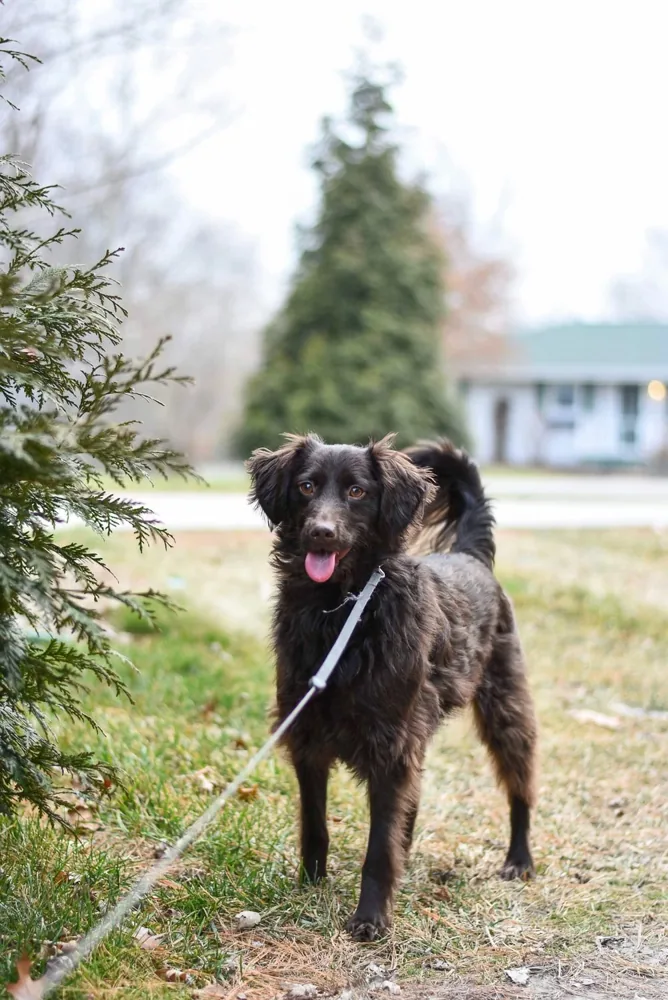
How Long Does a Dog Stay in Heat?
For most families, “in heat” means the visible season: a swollen vulva, vaginal discharge, and increased attention from male dogs. That usually covers proestrus and estrus together. A two- to three-week season is a useful expectation, rather than a deadline every dog must meet. The VCA overview of estrus and mating describes this typical visible timeline.
Individual stages can be shorter or longer, and a first season may be harder to recognize. You might also miss the beginning if your dog cleans herself frequently. Write down the first sign you actually observe and tell your vet if the start date is uncertain.
The complete dog heat cycle lasts months. It includes the visible season, the hormonal phase that follows, and a resting interval before the next season. A dog who comes into heat twice a year is not visibly in heat for six months.
Understanding the Four Stages of the Dog Heat Cycle
The stages explain why appearance and pregnancy risk do not move in a simple countdown. These are approximate durations, not instructions for timing unprotected contact with males. The Merck Veterinary Manual describes substantial variation in proestrus and estrus.
On a small screen, swipe across the table to read every column.
| Stage | Approximate duration | Signs and characteristics |
|---|---|---|
| Proestrus | About 9 days; roughly 2–21 days | Vulva swells; bloody discharge appears. Males are interested, but the female usually refuses mating. |
| Estrus | About 9 days; roughly 3–21 days | Female becomes receptive. Discharge may lighten; ovulation occurs during this stage. |
| Diestrus | About 2 months | Receptivity ends. Progesterone remains elevated whether or not pregnancy occurs. |
| Anestrus | Several months; often about 4–6 | Resting phase with low reproductive hormone activity before the next season. |
Proestrus: the season becomes noticeable
This is often when owners first find blood spots. Your dog may lick her genital area more often, and males may follow her closely. Refusing a male today does not establish a safe window tomorrow. Begin separation as soon as heat is suspected.
Estrus: receptivity and ovulation
Some females stand for a male or hold their tail to one side, called flagging. Discharge may become thinner, pinker, or straw-colored. Others keep a more bloody appearance. Neither color nor behavior can pinpoint ovulation at home.
Diestrus: visible heat ends, hormones continue
A female stops accepting mating as she enters diestrus. Some nonpregnant dogs later show false-pregnancy signs, including nesting or mammary changes. Discuss these with your vet rather than assuming either pregnancy or illness from appearance alone. The AKC guide to heat cycles explains these later hormonal changes.
Anestrus: the quieter interval
Daily life generally looks normal during this resting stage. Keep the previous season’s dates so you have a useful comparison when signs return. The table’s ranges should not be added together to predict an exact next start date.
How Long Does a Dog Bleed During Heat?
Noticeable bloody discharge often lasts around seven to ten days early in the season, but blood-tinged discharge may continue longer. Cornell describes discharge lasting 14–21 days in some dogs. Differences in stage definitions, individual dogs, and what an owner can see help explain why a single number is misleading.
Discharge commonly becomes more watery and lighter as the season progresses. A dog who keeps herself clean may leave very few spots. Conversely, visible spotting does not automatically mean something is wrong. Track whether it is increasing, decreasing, or different from her usual pattern.
Less blood does not mean less pregnancy risk. Do not use the last stain on a diaper as a fertility test. Contact your veterinarian about unusually heavy bleeding, a bad odor, pus-like discharge, or bleeding that persists beyond the expected season. Blood associated with painful urination also needs assessment; it may not be heat discharge.

Signs Your Dog Is in Heat
The most recognizable signs of a dog in heat involve both her body and her interactions with other dogs. Look for a pattern rather than relying on one behavior:
- Physical changes: vulvar swelling, bloody or watery vaginal discharge, and increased licking.
- Behavior changes: restlessness, clinginess, distractibility, or a different tolerance for other dogs.
- Male attention: persistent sniffing, following, or attempts to approach her.
- More frequent urination: small urine marks that communicate reproductive information.
- Receptive behavior: standing and moving the tail aside during estrus.
Frequent attempts to urinate with straining, discomfort, or little output should not be dismissed as marking. Similarly, a dog who seems ill needs attention even if she is also in heat. Some seasons have subtle signs, so absence of obvious bleeding does not prove that an intact female cannot be cycling.
When Can a Dog Get Pregnant?
A dog can become pregnant during her first heat. Reaching puberty does not mean she is physically ready for pregnancy or a suitable breeding candidate. Discuss reproductive plans before allowing mating.
Ovulation happens during estrus, but its timing varies. Eggs need time to mature after release, and sperm can remain viable in the reproductive tract for several days. As VCA explains, pregnancy can occur even without a mating “tie.” Bleeding can overlap with a period when mating could lead to pregnancy.
There are no reliable calendar-based “safe days” to offer an owner trying to prevent pregnancy. Keep her separated from intact males throughout the suspected season and ask your veterinarian if you are unsure it has ended. For planned breeding, hormone testing and vaginal cytology can help a veterinarian assess the cycle; counting days or checking discharge cannot replace that work.
If an accidental mating happens, call your vet promptly to discuss options. If the dogs are tied, do not pull them apart; keep the situation calm and seek veterinary guidance.
When Do Dogs Have Their First Heat?
Many dogs start between six and fifteen months, but the overall range is wider. Small and toy breeds may begin earlier, occasionally around four to five months. Medium-size dogs often fall within the earlier part of the broader range. Large and giant breeds can take eighteen to twenty-four months.
These are tendencies, not a schedule for an individual puppy. The AKC overview of sexual maturity emphasizes the influence of size and breed. Ask your vet what to expect for your dog, especially if no heat has been recognized by about two years.
A first heat may be subtle or interrupted, with signs disappearing and returning weeks later. Keep precautions in place and ask for guidance rather than assuming the interruption prevents pregnancy. Plan ahead if daycare, boarding, or a household male dog could make separation difficult.
How Often Do Female Dogs Go Into Heat?
Most female dogs cycle about twice a year. Some small dogs cycle three times yearly, while some giant breeds and breeds such as the Basenji may cycle only once. Several months between seasons is expected; dogs do not have monthly menstrual periods.
Young dogs may take time to establish a recognizable pattern. Record start dates, approximate duration, discharge changes, and any illness. Bring that record to routine appointments. A clear change from an established pattern, very frequent seasons, or a prolonged absence of heat deserves a discussion with your veterinarian.
Older intact females can still cycle and become pregnant. Do not assume age provides contraception. The AKC guide to dogs in heat discusses breed differences and the care these seasons require.
How to Care for a Dog in Heat
Make hygiene simple and comfortable
Offer washable bedding and a quiet place to rest. Clean soiled surfaces promptly and gently wipe external fur when needed. Avoid harsh cleaning products around the vulva. Give her space if she wants it, and keep fresh water available.
Dog diapers can help protect furniture, but they do not prevent mating or pregnancy. Use a comfortable fit, check frequently for wetness or soiling, and change promptly. Give supervised diaper-free breaks and remove the diaper for bathroom trips. Watch for rubbing or irritated skin.
Keep exercise controlled
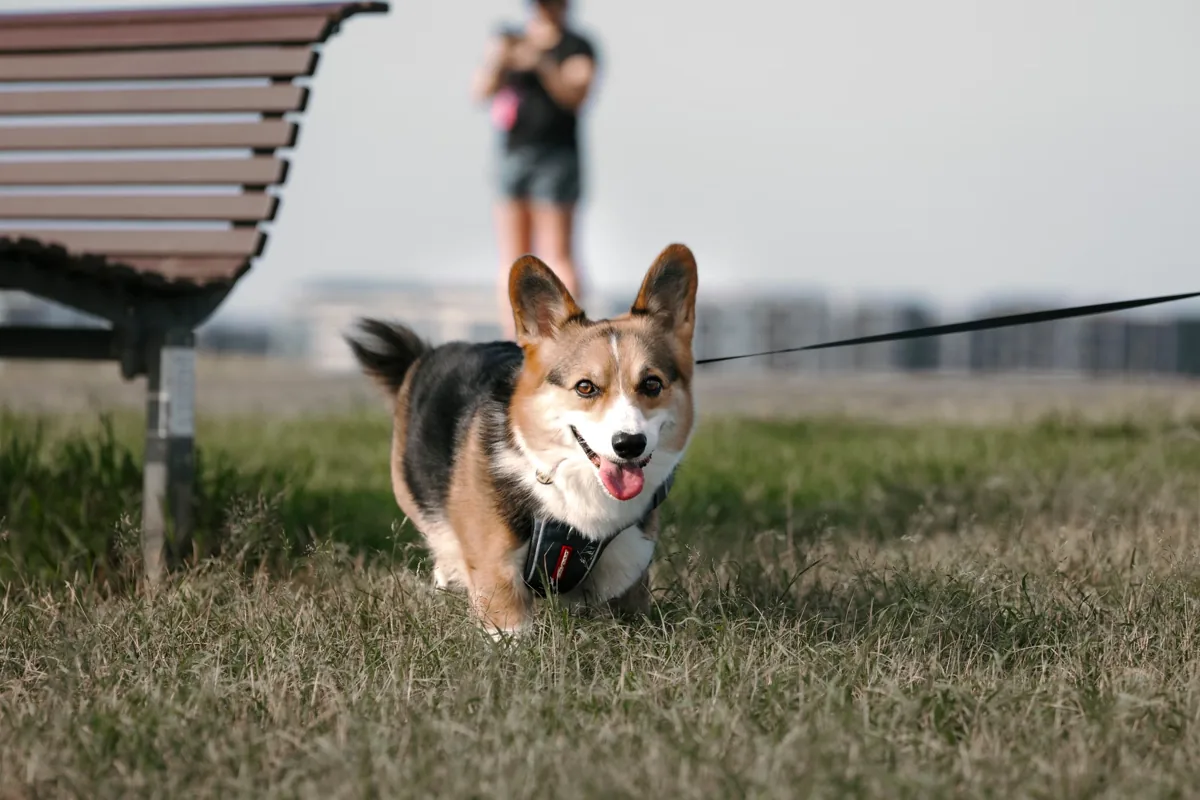
Walk her on a secure leash with a responsible adult. Choose quiet routes and turn away early if another dog approaches. Skip dog parks, off-leash exercise, and group play. Tell walkers or boarding staff that she is in heat before they take responsibility for her.
Adjust outings to her energy and comfort. Our leash and harness guide can help with everyday equipment decisions; fit and secure handling matter especially when another dog is interested.
Plan separation at home
Do not leave her alone in a yard, even with a fence. In a home with an intact male, use secure physical separation and a clear routine for doors and bathroom breaks. A diaper, verbal command, or brief supervision from across the room is not dependable protection.
For example, agree on who moves each dog before anyone opens a door. Visitors and pet sitters should know the plan. Indoor enrichment can help during quieter days; see our rainy-day enrichment ideas for activities that can be adapted to her comfort.
Discuss spaying and breeding plans
Ask your vet about spay timing based on breed, age, health, and pregnancy risk. If an appointment is already booked, tell the clinic that heat has started. Surgery during heat is possible, but reproductive tissues have a greater blood supply, which can increase bleeding risk.
For breeding, arrange veterinary planning and appropriate health screening in advance. A normal-looking season alone does not establish breeding suitability.
When Should You Call a Veterinarian?
Call about discharge that smells foul, looks pus-like, becomes unusually heavy, or continues longer than expected. A season approaching or exceeding four weeks warrants advice, especially if it is unusual for your dog. Do not wait for a particular day count if she appears unwell.
Seek prompt care for pain, fever, marked lethargy, refusal to eat, vomiting, increased thirst, or a swollen abdomen. Collapse, severe weakness, pale gums, or serious bleeding require emergency attention.
Watch after heat, too. Pyometra is a potentially life-threatening uterine infection in unspayed dogs, often developing one to two months after a season. Discharge may be absent when the cervix is closed. Illness after heat should never be dismissed because spotting has stopped. Cornell’s pyometra resource explains why rapid treatment matters.
Frequently Asked Questions
Can a dog be in heat for a month?
Yes, some seasons approach four weeks. Contact your vet if signs persist, the duration is unusual, or discharge changes concerningly. A longer season should not be assumed harmless without considering the dog’s overall condition.
How do you know when your dog’s heat is over?
Discharge and swelling resolve, and receptive behavior ends. These changes are clues, not a precise home fertility test. Ask your vet before ending separation if the timeline or signs are unclear.
Can dogs get pregnant while bleeding?
Yes. Bloody discharge can overlap with fertility, and sperm may survive for days. Neither continued bleeding nor its disappearance reliably rules out pregnancy risk from mating.
Do dogs feel pain during heat?
Some seem unsettled or less comfortable, but obvious pain should not be treated as routine heat. Crying, a painful belly, difficulty urinating, or reluctance to move warrants veterinary advice. Do not give human pain medication.
How long does a dog’s first heat last?
Often around two to three weeks, like later seasons, though early cycles may be less obvious or interrupted. Record what you see and maintain pregnancy precautions even when signs are mild.
Can you walk a dog in heat?
Yes, if she feels well. Use a secure leash, avoid close contact with other dogs, and choose quiet routes. Replace group play with calm individual outings and suitable activities at home.
Do male dogs go into heat?
No. Males do not have the female estrous cycle. Sexually mature intact males can respond strongly to a female in heat, which is why secure separation matters.
Can a dog be spayed while in heat?
Yes, but timing requires veterinary judgment because bleeding risk can be higher. Cornell discusses waiting about two months after a season for elective surgery. Ask the operating veterinarian what is appropriate for your dog.
Final Thoughts
Expect roughly two to three weeks of visible heat, with individual variation. Track signs, keep your dog comfortable, and prevent access to intact males throughout the season. Lighter discharge is not permission to drop precautions. If the pattern changes or she seems ill, contact your veterinarian. A simple care plan makes this temporary stage easier to manage.
Sources and photo credits
Sources checked October 16, 2026. Veterinary references are linked beside the relevant information above. This article follows the MyPupwise Editorial Policy; citing a source does not imply its endorsement or professional review of this article.
Featured photo: Julissa Pires / Pexels. Additional photos: Kaboompics, Sophie Forster, and Tima Miroshnichenko / Pexels, linked in their captions. All four are used under the Pexels License, which permits website and commercial use and modification. Photographs are illustrative; the dogs’ sex and reproductive status are not verified.
General guidance does not replace individual veterinary or behavior assessment.