Your dog is halfway through a walk when they stop, lower their head, and start chewing grass. Why do dogs eat grass? Often, it is ordinary behavior: they may enjoy the texture, explore with their mouth, or graze around mealtimes. The precise reason is not always clear. Occasional nibbling in an otherwise well dog differs from a sudden increase accompanied by vomiting, poor appetite, or discomfort.
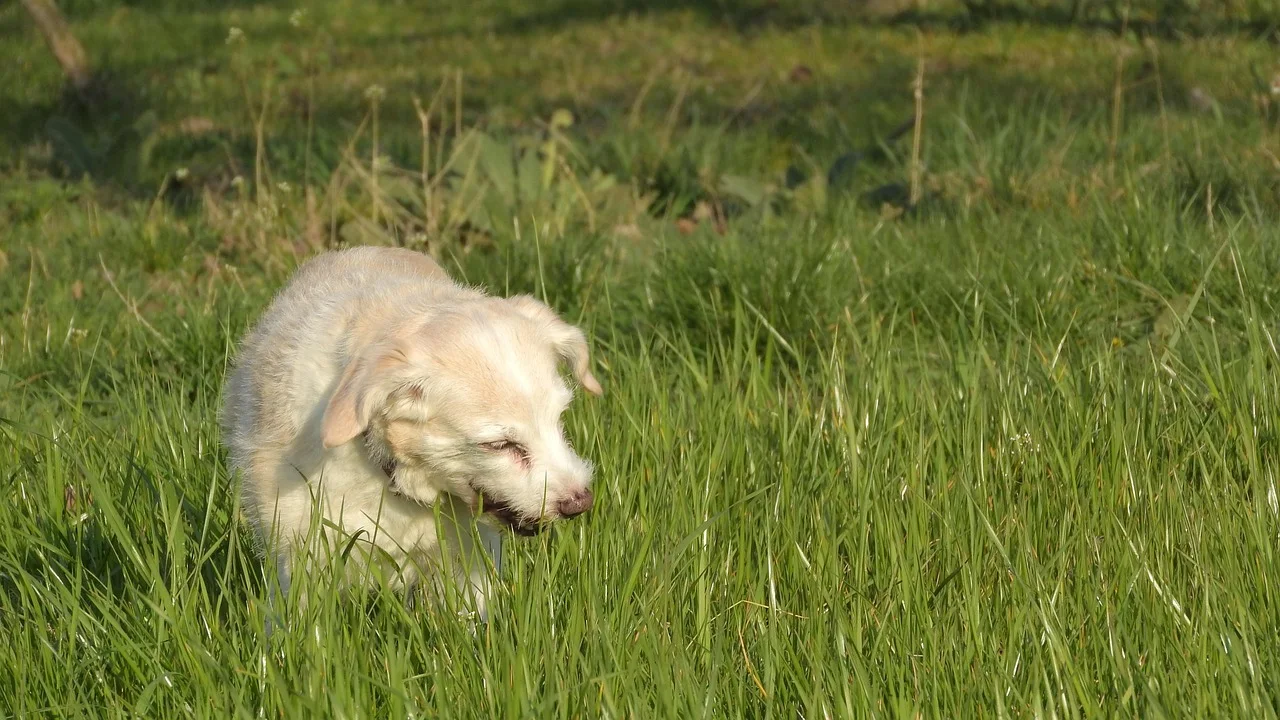
The useful question is what has changed for your dog. Look at the amount, setting, and accompanying signs before deciding whether to simply redirect them or call your veterinarian.
Act now: A swollen or painful belly, repeated unsuccessful attempts to vomit, collapse, breathing trouble, or suspected poisoning needs immediate veterinary help. Do not wait to see whether eating grass fixes it.
Why do dogs eat grass? What the evidence tells us
Research supports grass eating as a common canine behavior, but it does not supply one explanation for every dog. In their 2008 study, Sueda, Hart, and Cliff analyzed 1,571 qualifying internet surveys about plant-eating dogs. Owners reported daily or weekly plant eating in 68% of that sample. Nine percent frequently appeared ill beforehand; 22% frequently vomited afterward.
Those figures describe owner-reported patterns among selected plant eaters. They are not the probability that any dog will vomit after a single mouthful. The survey could not establish a dog’s intention or prove what caused the behavior. Its findings make the familiar claim that dogs usually eat grass to induce vomiting difficult to defend.
Below are eight possible explanations. Some have limited experimental support; others are plausible interpretations of behavior. More than one may apply, and watching a dog graze cannot establish a diagnosis.
1. Natural instincts and inherited behavior
Plant eating also occurs in wild canids, so an inherited tendency is a reasonable hypothesis. A domestic dog may retain an interest in vegetation despite having regular meals. That does not mean they need to copy a wild animal’s diet.
The evolutionary explanation remains uncertain. Even if the behavior once served a function, it does not follow that today’s dog is treating an illness. Think of ancestry as background context, rather than a reason to encourage grazing.
2. Enjoying the taste and texture
Some dogs repeatedly choose particular patches or tender blades while ignoring others. Taste, moisture, smell, or the sensation of chewing may contribute. VCA’s veterinary guidance discusses preference alongside other possibilities, rather than identifying one universal cause.
A dog that briefly samples the same patch and then happily continues walking gives you a different picture from one frantically gulping vegetation. Preference is plausible, but the pattern alone cannot tell you exactly what the dog experiences.
3. Exploring their surroundings
A walk offers more than exercise. Dogs investigate scents and objects, and some investigation involves the mouth. A blade moving near the nose may become something to sample. This possibility is especially relevant when young dogs encounter unfamiliar surroundings.
Watch the sequence: sniffing, a small nibble, then moving on differs from sustained swallowing. Give your dog safe opportunities to investigate without assuming every interesting plant is edible. Our guide to making a neighborhood walk more interesting offers ways to build exploration into ordinary outings.
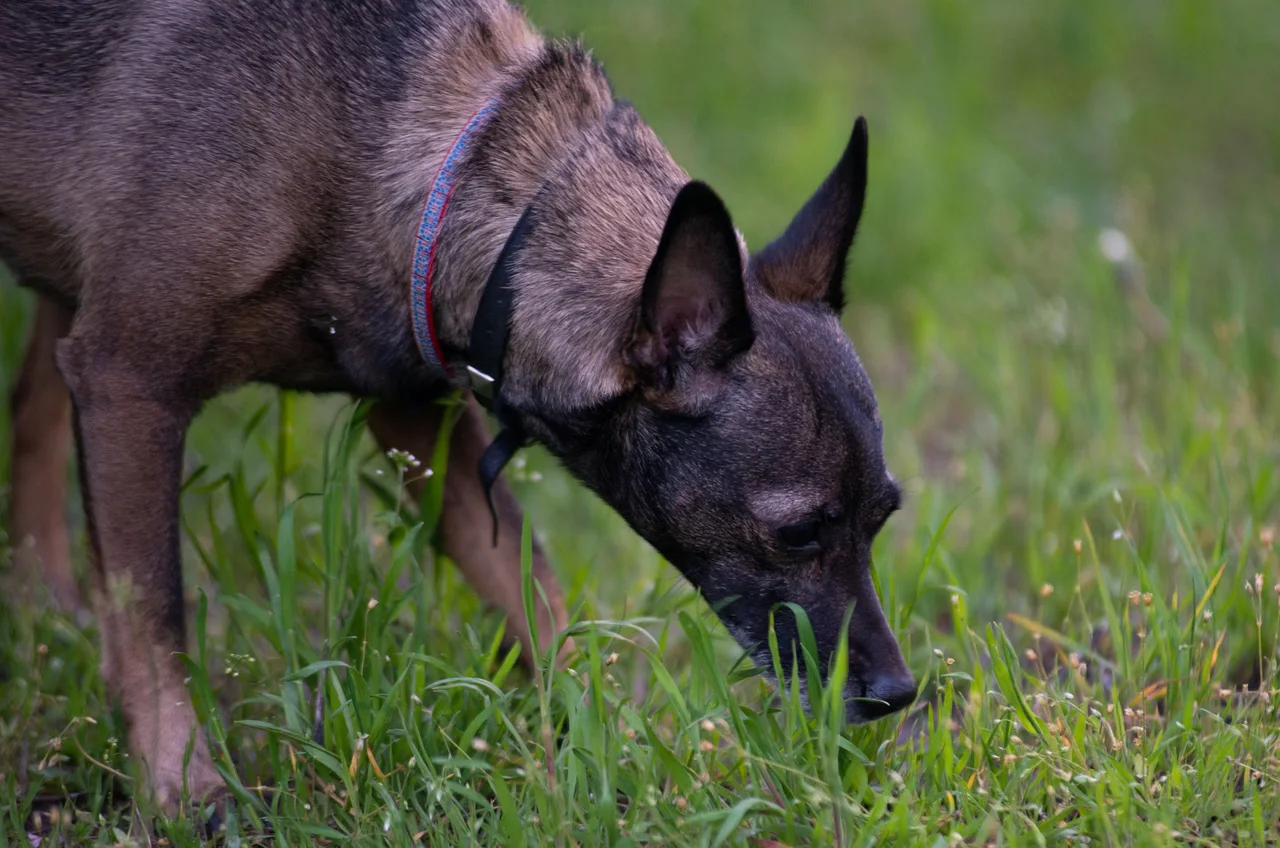
4. Boredom and lack of stimulation
Grazing can become an available activity during an uneventful stretch outside. Boredom is a possible contributor, not a conclusion you can draw from grass eating alone. A dog can have a full, engaging day and still nibble.
If it happens mainly during long periods alone in the yard, review the routine. Try short play sessions, scent games, and comfortable rest around supervised outdoor time. For activity planning, see how much exercise a dog needs. Simply adding harder exercise is not an answer for every dog.
5. Hunger or feeding-related behavior
A small controlled study by Bjone, Brown, and Price observed 12 dogs over six days. They spent more time eating grass before their kibble meal than afterward, and grass eating declined through the day. This supports a relationship with satiety and timing in that setting.
It does not show that all grazers are underfed. Note whether the habit clusters before breakfast, but do not automatically add calories. Review meal portions, body condition, and scheduling with your veterinarian if your dog seems persistently hungry or is losing weight.
6. Possible digestive discomfort
Some dogs eat grass around episodes of nausea or digestive trouble. Discomfort is therefore worth considering when grazing changes alongside drooling, repeated swallowing, vomiting, or appetite loss. However, grass eating by itself is a poor shortcut for identifying stomach disease.
A dog might feel unwell before grazing, become irritated after eating vegetation, or have an unrelated problem that explains both. The order matters, and even a clear sequence does not prove the cause. Record what happened instead of trying to treat the suspected problem with more grass.
7. Fiber intake and dietary considerations
The fiber hypothesis deserves careful wording. A 2007 case report by Kang and colleagues described one Miniature Poodle whose longstanding plant eating and vomiting stopped after a switch to a high-fiber diet. That is a useful clinical observation, but one case cannot establish a general deficiency or treatment.
Grass is not a controlled fiber supplement. A diet change alters more than one variable, and improvement does not prove why it occurred. Follow individualized veterinary nutrition guidance: check the whole diet, life stage, portions, treats, and health history. Do not replace balanced meals with vegetation or add fiber indiscriminately.
8. Stress, anxiety, or learned behavior
Context may reveal another possibility. Does grazing start near a noisy street, during an uncomfortable encounter, or after a long wait? Stress could contribute, although the habit alone does not establish anxiety. Move to a calmer place and consider the dog’s overall behavior.
Attention can also become part of a routine: nibbling reliably brings conversation or treats. That possibility is discussed in PetMD’s March 5, 2026 update. Reward checking in before grazing starts, and teach a separate cue for moving away. Avoid treating every mouthful as evidence of emotional distress.
Why do dogs eat grass and vomit?
The belief that grass is a deliberate vomiting aid is understandable: an owner sees green blades in vomit and connects the two events. But that memorable sequence does not reveal intention. It also overlooks all the uneventful grazing that produces no vomit.
Most dogs in the Sueda survey were not reported to frequently vomit after plant eating. This challenges a universal self-medication story without proving that digestive discomfort never plays a role. Association means two things occur together; causation means one produces the other. A questionnaire cannot settle that distinction.
If your dog eats grass but does not vomit, that fits an ordinary pattern. If vomiting keeps happening, focus on the vomiting itself. Merck Veterinary Manual identifies repeated vomiting and accompanying signs such as pain, weakness, or blood as reasons for further examination. Grass is neither a diagnosis nor a reliable remedy.
Is it safe for dogs to eat grass?
A few blades of known, untreated grass may cause no obvious problem in a healthy dog. Still, a green lawn is not automatically safe. You cannot determine its chemical treatment history or contamination by looking at its color.
- Pesticides and herbicides: Keep dogs away from recently treated areas. Follow the exact product’s pet re-entry instructions; there is no single safe waiting period for every chemical.
- Fertilizers and other garden products: Granules, concentrated products, and mixtures require particular caution. The ASPCA’s yard-safety guidance explains why garden products can attract pets and cause harm. “Natural” does not guarantee harmlessness.
- Feces and parasites: Contaminated ground can expose dogs to intestinal parasites and infection. Keep preventive care and fecal testing on the schedule your veterinarian recommends.
- Other plants: Toxic leaves, mushrooms, and weeds may grow among ordinary grass. Do not rely on a dog’s willingness to chew something as proof that it is safe.
- Seeds and awns: Avoid patches with sharp, barbed seed heads that can lodge in tissues. New sneezing, pawing at the face, or discomfort after an outing deserves attention.
- Large quantities: Gulping vegetation can cause digestive trouble; substantial plant material, especially with other swallowed objects, can contribute to obstruction. Interrupt sustained eating rather than letting the dog continue.
When treatment history is unknown, choose another route. If exposure to a toxic product is possible, contact a veterinarian promptly with the label, approximate amount, and time. Do not induce vomiting unless a veterinary professional specifically directs you to. Our dog poisoning guide explains what information to have ready when calling for help.
When grass eating needs a veterinarian
There is no research-backed number of blades that separates normal from abnormal. A change from your dog’s usual pattern, the amount swallowed, and other symptoms are more useful. Use this table as a decision aid, not a diagnosis.
| Behavior | What It May Mean | Recommended Action |
|---|---|---|
| Brief, familiar nibbling; normal appetite, stool, and energy | Ordinary grazing or exploration | Observe, check the area, and redirect when needed. |
| Daily nibbling without other changes | A regular habit; frequency alone is not a diagnosis | Track amount and context; discuss at a routine visit if persistent. |
| Sudden increase, frantic swallowing, or new non-food eating | Discomfort or a behavior change worth investigating | Prevent further eating and arrange veterinary advice promptly. |
| Repeated vomiting, persistent diarrhea, appetite loss, or lethargy | Illness that may or may not relate to grass | Contact your veterinarian the same day; escalate if worsening. |
| Painful or swollen abdomen, unproductive retching, collapse, or breathing trouble | A possible emergency | Seek emergency veterinary care immediately. |
| Suspected pesticide, fertilizer, or toxic plant ingestion | Possible poisoning, even before symptoms appear | Call a veterinarian or animal poison service immediately; bring product details. |
In particular, repeated dry retching with abdominal swelling can signal gastric dilation and volvulus, or bloat. This requires immediate care. Do not delay transport to photograph the grass or collect a sample.
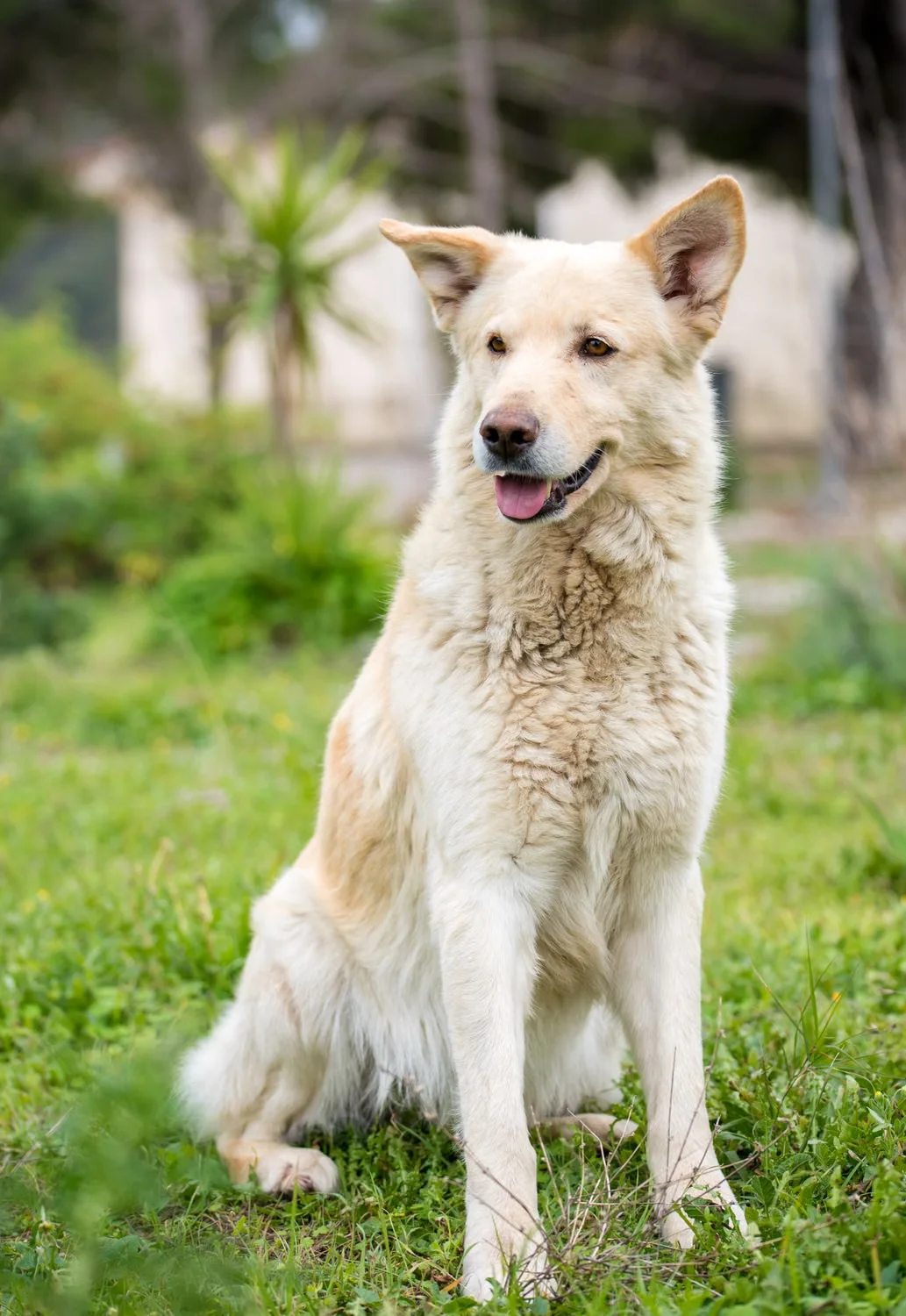
Should I stop my dog from eating grass?
Interrupt grazing when the area is unsafe, the amount is substantial, or the behavior is new and urgent. An occasional nibble without symptoms calls for proportionate supervision. You do not need to turn every walk into a struggle over each blade.
- Choose the route first. Favor familiar, clean areas with a known treatment history. Avoid sprayed verges, lawn clippings, feces, and hazardous seed heads.
- Stay close enough to notice. Supervise yard time and walks. A leash helps you guide your dog away without chasing them.
- Teach an easy alternative. Practice “leave it” or a hand target away from tempting grass. Cue the behavior, move away, and reward the response.
- Make the outing worthwhile. Include sniffing, gentle play, and short training games suited to your dog. Give attention for engagement before the dog starts grazing.
- Keep a simple record. Note the time, relation to meals, approximate amount, symptoms, and whether the habit is increasing.
A useful note might read: “Before breakfast, two short nibbles, stopped on cue, normal stool and appetite.” That is more informative than “always eats grass.” If symptoms occur, add when they started and whether they preceded the grazing.
Do not punish, yell, or jerk the leash. It can add fear without addressing discomfort or teaching a clear alternative. AVSAB recommends reward-based training. If management is difficult, ask your veterinarian and a qualified reward-based trainer for help.

What about puppies?
Puppies investigate with their mouths and need closer supervision around plants, soil, and discarded objects. Choose clean areas appropriate to their vaccination status and your veterinarian’s local advice. Practice trading for safe objects before outdoor distractions become difficult.
Vomiting, diarrhea, or refusing food warrants a lower threshold for calling the clinic in a young puppy. Do not assume a puppy’s symptoms are harmless just because you saw them chew grass.
Frequently asked questions
Is it normal for dogs to eat grass every day?
It can be a stable habit in an otherwise well dog. Daily frequency alone does not prove illness. Increasing amounts, difficulty interrupting the behavior, or new symptoms warrant veterinary advice.
Does eating grass mean my dog is sick?
No. Consider appetite, stool, energy, comfort, and any change from normal. A dog can graze while healthy, and a sick dog needs assessment regardless of whether grass is involved.
Do dogs eat grass when they have worms?
Some dogs with parasites may also eat grass, but grazing is not a reliable worm test. Grass does not replace deworming. Ask about fecal testing and prevention based on your dog’s age, location, and exposure.
Can eating grass cause diarrhea?
Digestive irritation or contaminants may contribute, but diarrhea afterward does not prove the grass caused it. Persistent diarrhea, blood, weakness, or vomiting calls for veterinary advice.
Why does my dog eat grass but not vomit?
Vomiting is not an inevitable outcome. Your dog may simply be exploring or enjoying the experience. Lack of vomiting does not make chemically treated or contaminated grass safe.
Should I change my dog’s food?
Not solely because of occasional grazing. Review nutritional adequacy, portions, and symptoms with your veterinarian before changing food or adding supplements. Repeated unplanned changes can make patterns harder to interpret.
Is grass safe for puppies?
It is not a necessary puppy food. Prevent access to treated lawns, fecal contamination, sharp seeds, and unknown plants. Supervise closely and discuss safe outdoor exposure with your veterinarian.
When should I call my veterinarian?
Call for a sudden increase, repeated vomiting, persistent diarrhea, appetite loss, or lethargy. Seek urgent help for suspected poisoning, abdominal swelling or severe pain, unproductive retching, collapse, or breathing trouble.
A calmer way to handle the next grassy stop
For a comfortable dog that briefly nibbles and moves on, check the surroundings and keep observing. For a dog whose habits or health have changed, gather clear details and call your veterinarian. You do not have to solve the mystery on the sidewalk to make a sensible, caring decision.
General educational information; this article does not diagnose your dog or claim veterinary review. Featured photo: MAKY_OREL / Pixabay source · Pixabay Content License. All photographs resized and converted to WebP.
General guidance does not replace individual veterinary or behavior assessment.