Normal dog urine color is usually yellow, ranging from pale straw to amber. Pink, red, orange, or brown pee deserves a call to your veterinarian, while repeatedly trying to pee with little or nothing coming out needs emergency care. Very pale urine can also matter when it comes with increased thirst or unusually large puddles.
Dog urine color is a clue, not a diagnosis. Lighting, the surface beneath your dog, urine concentration, and pigments can change what you see. Even yellow urine can occur in a dog with a medical problem. The most useful picture combines color with comfort, urine flow, thirst, and your dog’s overall behavior.
This guide explains what to notice, how to describe a change, and what to expect from a veterinary visit. It offers general education and cannot determine the cause of an individual dog’s symptoms.
First, check whether your dog can actually pee
Before comparing shades, watch the stream. A dog who repeatedly squats or lifts a leg but passes only drops may have a urinary blockage. A few drops do not prove that the bladder is emptying normally.
Go to an emergency veterinary hospital now if your dog repeatedly strains without a normal stream, especially with crying, vomiting, weakness, or a painful or swollen belly. Do not wait for a different color, a morning appointment, or a home urine sample. Blocked urine flow can quickly become life-threatening.
Straining can look like constipation. If you cannot tell whether your dog is trying to poop or pee, explain that uncertainty when calling the hospital. Tell the team when you last saw a normal urination and whether any urine has passed since.
Collapse, severe weakness, or suspected poisoning also calls for immediate veterinary help. An abnormal color is only one part of the decision; how your dog feels and whether urine can leave the body matter more.
A practical dog urine color chart
Use this chart to organize observations, rather than to match a shade to a disease. Colors overlap, and several unrelated problems can produce similar-looking urine.
| What you see | What it may reflect | What to do |
|---|---|---|
| Pale yellow to amber | A usual appearance; intensity varies with concentration | Consider your dog’s normal pattern and any other symptoms |
| Very pale or almost clear | Dilute urine; drinking and medical conditions can both contribute | Arrange an exam for a persistent change, increased thirst, or larger volumes |
| Dark yellow | More concentrated urine; color alone cannot confirm dehydration | Keep water available and contact your vet if new, persistent, or accompanied by illness |
| Orange or unusually deep yellow | Concentration or pigments, including bilirubin | Call your vet promptly; mention yellow eyes or gums |
| Pink or red | Blood or other pigments; the source needs investigation | Contact your vet the same day; seek emergency care for straining or illness |
| Brown, tea-colored, or cola-colored | Blood-related pigments, muscle pigments, or other discoloration | Seek urgent veterinary assessment; do not assume it is simply concentrated |
| Cloudy or milky-looking | Suspended cells, crystals, mucus, or contamination | Report a new change, particularly with pain, odor, or frequent attempts |
Yellow and clear dog urine color: what to notice
A normal shade does not rule out a problem
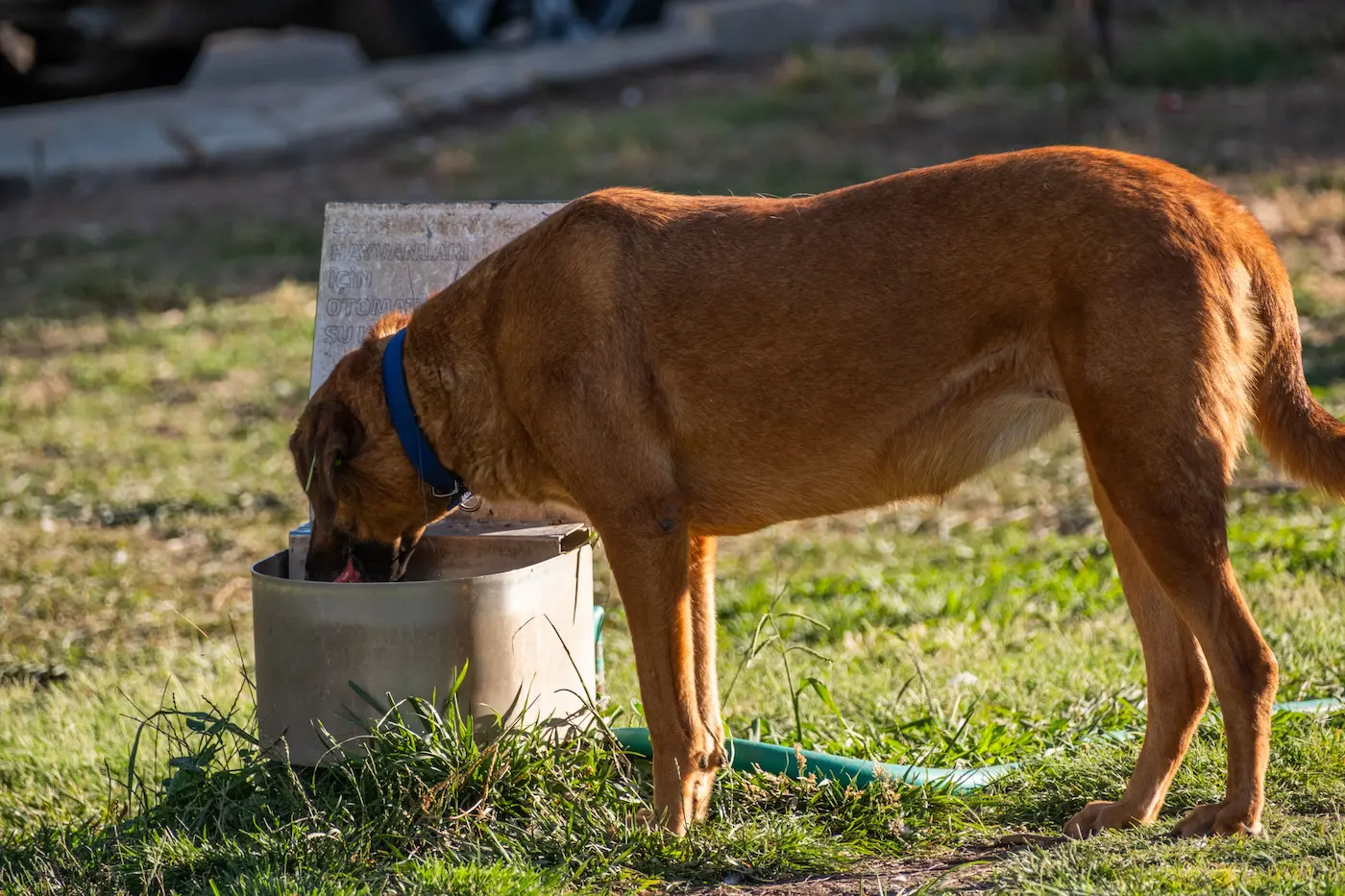
Many healthy dogs produce light yellow urine. A somewhat deeper yellow may appear at another time of day. Comparing your dog with their own usual pattern is more helpful than expecting every bathroom trip to look identical.
However, a dog can have urinary disease without visibly discolored pee. New accidents, discomfort, repeated licking around the genitals, or a changed stream still warrant attention. The same applies to blood that is present in amounts too small to see.
Dark yellow is not a home dehydration test
Less water in urine can make yellow pigment look stronger. That makes concentration one possible explanation for a darker shade. It does not establish why the change happened or tell you how well the kidneys are working.
Offer normal access to fresh water, but do not force your dog to drink. A dog who seems unwell, refuses water, vomits, or produces much less urine needs veterinary guidance. Do not spend the day trying to make the pee lighter before seeking help.
During warm weather, plan cooler walks and water breaks. Our summer dog safety guide covers practical ways to reduce heat exposure. Those habits support everyday care, but they do not treat an unexplained urinary change.
Clear urine deserves context
Almost colorless pee usually contains less visible pigment and may be dilute. One pale puddle after drinking is different from a week of refilling the bowl more often and cleaning up larger accidents.
Persistent increased thirst and urine volume can accompany kidney disease, diabetes, hormonal conditions, and medication effects. Appearance cannot distinguish among them. Tell your veterinarian about every prescription, supplement, and recent change rather than stopping a medicine yourself.
Never restrict water to make urine more yellow or to test whether your dog can concentrate it. A dog losing extra water in urine may depend on drinking to replace it. Diagnostic water restriction requires professional judgment and supervision.
Abnormal dog urine color: pink, red, orange, and brown
Pink or red: blood is one possibility
Visible blood in urine is called hematuria. Possible causes include inflammation, infection, stones, injury, and growths in the urinary tract. The color cannot tell you which explanation applies, and pink pee does not automatically mean a simple urinary tract infection.
Blood or discharge from the reproductive tract can also mix with urine or appear on the same pad. If your dog is in heat or has discharge between bathroom trips, mention it. Avoid assuming that a reproductive explanation rules out a urinary problem.
Call your vet the same day for newly pink or red urine, even if your dog seems comfortable. Describe clots, pain, or a weak stream. If repeated attempts produce only drops or no urine, use emergency care instead of waiting for the scheduled visit.
Orange: several explanations can overlap
Orange-looking urine may reflect intense yellow color or pigments such as bilirubin. Bilirubin is associated with the body’s handling of red blood cell breakdown products and is processed through the liver and bile system. Its significance depends on other findings.
Owners cannot identify bilirubin by looking at a puddle. Tell your veterinarian if the whites of the eyes, gums, or skin also look yellow. Bring a medication list and describe appetite, energy, and any vomiting. These details help the vet decide what testing is needed.
Brown: do not wait for it to clear
Tea-colored or cola-colored urine can contain blood-related pigments or myoglobin, a pigment from muscle. Those possibilities have different causes and require testing. Brown pee is not proof of a specific toxin, internal injury, or red blood cell disorder.
Seek urgent assessment, particularly after an injury, severe exertion, or possible exposure to a harmful substance. If poisoning is possible, tell the veterinary team what the product was and when exposure may have occurred. Keep packaging available if it can be collected safely.
Some household foods can cause serious illness. Our guide to dangerous foods and poisoning warning signs explains common exposures. Do not wait for urine discoloration before asking for help after a known ingestion.
Frequency, volume, odor, and accidents complete the picture
“Peeing more” can describe two different patterns. Frequency means the number of attempts. Volume means the amount produced. Your veterinarian needs to know which changed.
For example, stopping six times on a walk and passing small amounts differs from emptying a much larger bladder at each break. Small repeated urinations can accompany bladder irritation, while large volumes with increased thirst suggest a different set of questions.
Marking can involve small amounts at several locations. Still, a new pattern should not automatically be labeled behavioral, particularly when your dog appears uncomfortable or suddenly has accidents indoors. A history of marking does not prevent medical problems.
If a previously reliable dog starts having accidents, arrange a medical check before changing the training plan. Our guide to dogs peeing in the house explains how health, routines, and training can intersect. Punishment does not help you identify the cause.
Strong odor and cloudiness are also nonspecific. Urine concentration, time sitting on a surface, contamination, and urinary changes can affect them. Smell alone cannot confirm infection, and clear-looking urine does not prove that bacteria are absent.
Leaking while asleep differs from deliberately squatting. Record whether wet bedding appears without an observed bathroom attempt. That distinction helps your vet investigate loss of bladder control rather than treating every accident as a training setback.
How to observe changes without delaying care
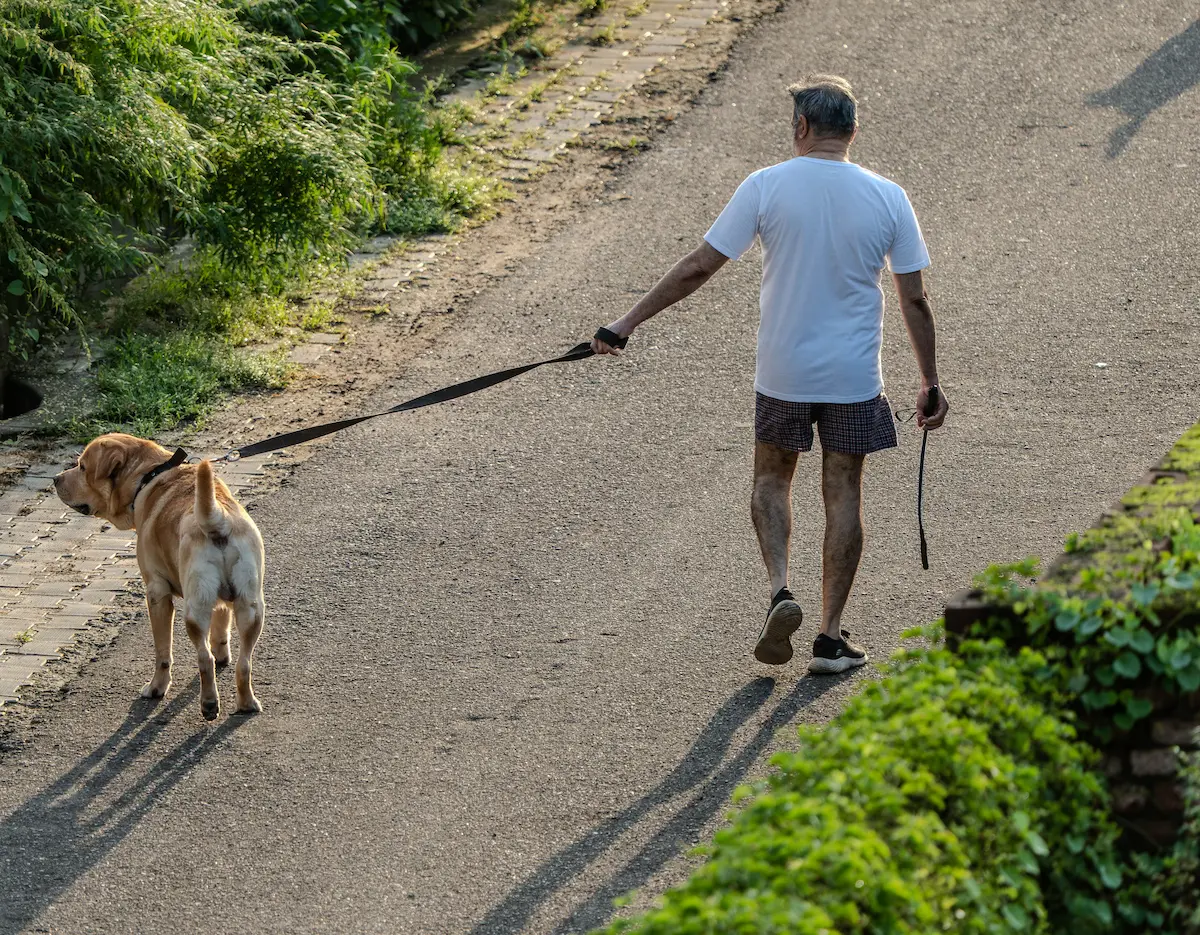
You do not need a perfect sample or a calibrated color chart to make a useful call. A brief, consistent record can help your veterinary team understand what changed.
- Watch one normal bathroom trip. Note the stream, posture, effort, and whether your dog seems comfortable.
- Use reasonable lighting. Grass, dark concrete, colored pads, and indoor bulbs can distort the shade. A white pad may make changes easier to notice, but it is not a laboratory test.
- Photograph the fresh appearance if practical. Include the surface and lighting context. A photo supports your description; it cannot establish a diagnosis.
- Record timing and amounts in plain language. “Three large puddles overnight” or “five attempts with drops” is more useful than “abnormal.”
- Note the rest of the day. Include thirst, appetite, energy, vomiting, medications, and possible exposures.
If you track water, record what you add and what remains, and mention shared bowls or spilled water. Exact intake is hard to measure in a multi-pet home. An honest estimate is preferable to a number that looks precise but is unreliable.
Keep walks calm and provide normal bathroom opportunities while arranging advice. Avoid pressing on the belly, trying to squeeze the bladder, or repeatedly checking a distressed dog at home. Urgent symptoms take priority over completing your notes.
What happens at the veterinary visit?
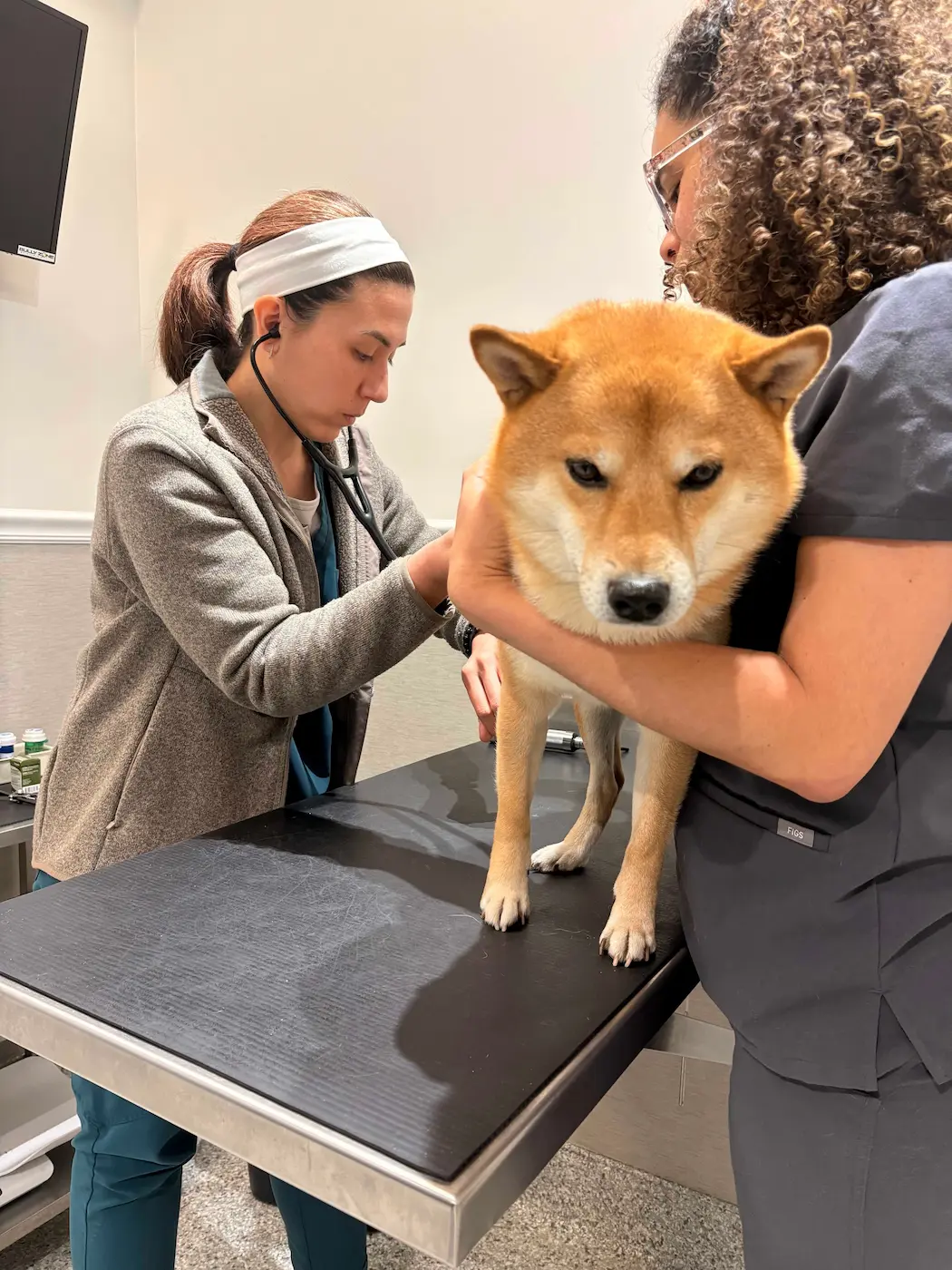
The visit usually starts with your observations and a physical exam. Your veterinarian may assess the abdomen and genital area and ask about prior urinary problems, medications, diet, and thirst. Testing depends on the symptoms and exam findings.
A urinalysis evaluates more than color. It can measure urine concentration and assess chemical findings, then examine sediment for cells, crystals, and other material. This helps explain why a photo or a home dipstick cannot replace a full evaluation.
If infection is suspected, a urine culture may help identify bacteria and guide treatment. The collection method matters because a sample passed naturally can pick up contamination. Your vet may prefer to collect urine directly at the clinic.
Blood tests can provide information about kidney function, blood cells, glucose, and other body systems. Imaging, such as an ultrasound or X-rays, may be needed to investigate stones or structural changes. Not every dog needs every test.
Ask the clinic before collecting urine at home. If requested, use its container and instructions, record the collection time, and deliver the sample promptly. Refrigeration may be advised when there is a delay. Never add household preservatives or bring a sample squeezed from an absorbent pad.
Treatment follows the cause. Do not give leftover antibiotics, human pain relievers, urinary supplements, or a special diet as an experiment. An intervention that fits one condition may be unsuitable for another, and a blockage needs the urine flow restored.
A short checklist for the call
- When did the color or bathroom pattern change?
- When did you last see a normal stream?
- Are attempts frequent, volumes larger, or both?
- Is there pain, vomiting, weakness, blood, or yellow discoloration of the eyes?
- Has drinking, appetite, or behavior changed?
- What medications, supplements, or possible exposures should the team know about?
Keep your regular clinic’s number and a nearby emergency hospital’s details easy to find. For longer-term preventive care, discuss your dog’s lifestyle and vaccination plan with your veterinarian. Prevention choices cannot be made from urine color alone.
Frequently asked questions about dog urine color
What color should a healthy dog’s urine be?
Usually yellow, from a pale shade to amber. Concentration and viewing conditions affect the appearance. A typical color is reassuring only in context; new pain, accidents, thirst, or changes in urine flow still deserve attention.
Is dark yellow dog pee always dehydration?
No. Dark yellow can reflect concentrated urine, but color cannot confirm dehydration or explain its cause. Keep fresh water available and call your veterinarian for a persistent change or any signs that your dog feels unwell.
Can a dog have a urinary infection with yellow pee?
Yes. Urinary problems do not always change the visible color. Frequent attempts, discomfort, accidents, and other changes can justify testing even when urine looks yellow. Your vet determines whether infection is present and whether a culture is appropriate.
Should I wait if my dog’s urine is pink but they act normal?
Contact your veterinarian the same day. Pink urine may contain blood and needs investigation even without obvious illness. Repeated straining, only drops, vomiting, weakness, or pain increases the urgency and may require an emergency hospital.
Does clear pee mean my dog’s kidneys are healthy?
No. Nearly clear pee may be dilute, but appearance cannot measure kidney function. Persistent pale urine together with increased thirst or larger amounts should be evaluated. Do not restrict drinking to change the color.
Can I bring a urine sample instead of my dog?
Ask your clinic. A sample may help, but it does not replace the exam, and collection requirements vary by test. Bring your dog as directed and never delay emergency care while trying to catch urine.
Use the whole pattern to decide your next step
Pay attention to a change in dog urine color, then look at comfort, flow, thirst, and behavior. Share clear observations with your veterinary team rather than trying to name a disease from a shade. If your dog repeatedly tries to pee without a normal stream, seek emergency care right away.
General guidance does not replace individual veterinary or behavior assessment.