Ranges describe the registry profile, not a measurement, life expectancy, or health prediction for a particular dog. Separate sex or variety ranges are preserved where the source supplies them.
Source characteristics at a glance
The registry uses an ordinal 1–5 scale. A higher number indicates more of the named trait, not a better dog or a compatibility score. These descriptions are general and are not clinical measurements.
History and original work
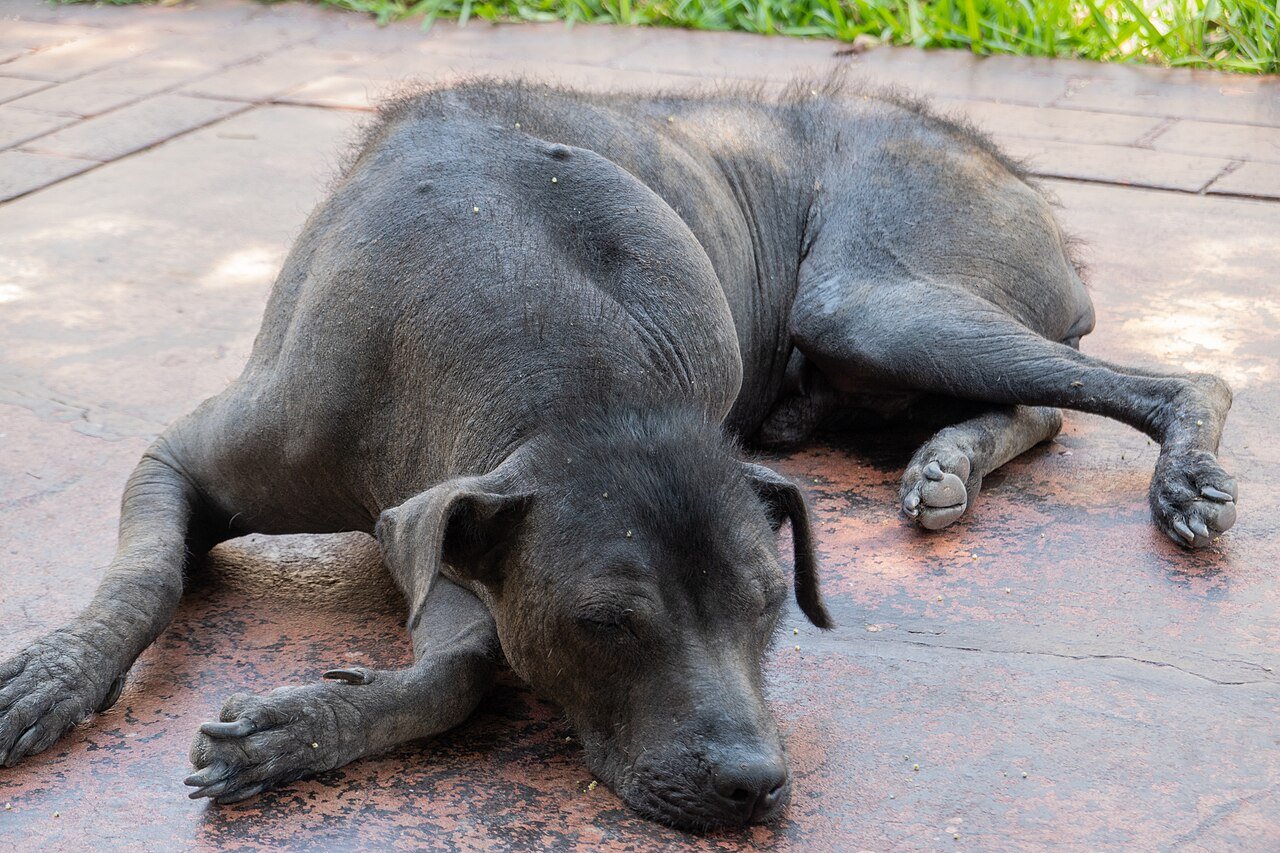
Hairless dogs have a long documented association with Peru, including depictions in pre-Inca ceramics. The modern Peruvian Inca Orchid includes coated and hairless dogs and several sizes. These facts are more dependable than assigning a single ancient founding date or treating historical healing beliefs as medical evidence.
Temperament and training
Combine gentle handling practice with controlled exposure to people and places. Reward checking in when movement attracts the dog's attention; a sighthound-like response to a running animal deserves secure management. Use size-appropriate play with children and other dogs. A wary individual should have room to approach rather than being passed among strangers.
Daily needs & enrichment
Try a hidden-toy search, a short sequence of training obstacles at ground level, and outdoor walks with time to investigate. Check the security of a running area before unclipping the leash. Adjust the challenge to the dog's size and condition, and protect exposed skin from rough vegetation and prolonged sun.
Coat care
For a hairless dog, inspect exposed skin daily, including collar and clothing contact points. Use shade, comfortable shelter, and veterinary guidance about sun protection and bathing products. Avoid human acne products, harsh scrubbing, and leaving wet or rubbing clothing against the skin.
For a coated dog, brush the actual coat regularly, starting with a gentle weekly session and adjusting for hair coverage and shedding. Bathe for soiling, rinse dog shampoo fully, and dry comfortably. Both varieties need cooperative nail and mouth care; dental anatomy should be assessed individually.
Living Environment & Daily Needs
Give a Peruvian Inca Orchid secure exercise and thoughtful introductions that account for quick hunting reactions. Arrange comfortable rest and individual care appropriate to the hairless or coated variety, rather than treating appearance as the care plan.
Care through life stages
Puppies need gentle handling and safe, size-appropriate exploration without prolonged sun exposure. Adults need secure activity and care matched to coat variety. In seniors, adapt footing and grooming comfort and investigate new skin, mouth, hearing, or movement changes.
Frequently asked questions
Does the breed come in only one size or coat type? No. Small, medium, and large sizes and hairless and coated dogs occur. Confirm the individual’s variety and likely adult requirements rather than planning from a photograph alone.
Questions to ask before choosing a dog
Which size and coat variety is this dog? Request patella, cardiac, eye and BAER records and ask about dental findings. What sun protection has been tolerated? Observe reactions to a visitor and a moving distraction, and ask which handling lessons are already comfortable.
Plan care for the individual dog
Budget, time alone and household compatibility depend on the individual dog and your circumstances. Use our care budget guide, time-alone planning guide and questions before adopting alongside the breed-specific source information above.
Health questions for a veterinarian
The US breed club recommends patella, cardiac, eye and BAER hearing assessments. BAER measures hearing responses and is different from checking an ear for infection. Ask for individual results tied to identification. Missing teeth are associated with the hairless variety, but an examination should distinguish that trait from painful dental disease. Sunburn and skin injury are practical concerns for exposed skin, not proof of a generalized inherited skin disorder. Discuss persistent redness, mouth discomfort or an altered response to sound with the veterinarian.
Updated October 25, 2026. General information; see our Editorial Policy for sourcing and review practices.