Ranges describe the registry profile, not a measurement, life expectancy, or health prediction for a particular dog. Separate sex or variety ranges are preserved where the source supplies them.
Source characteristics at a glance
The registry uses an ordinal 1–5 scale. A higher number indicates more of the named trait, not a better dog or a compatibility score. These descriptions are general and are not clinical measurements.
History and original work
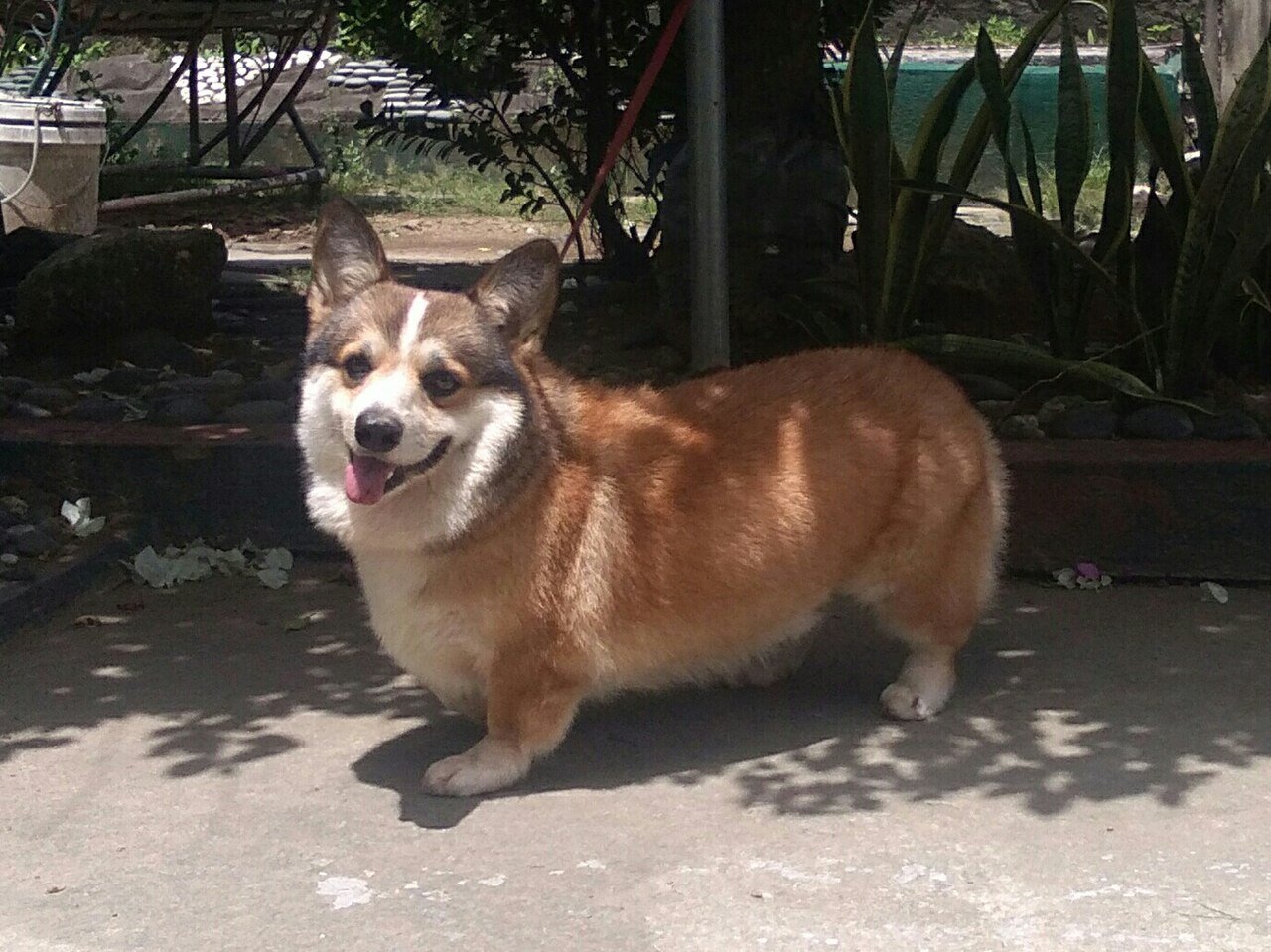
The Pembroke Welsh Corgi developed in Wales as a cattle and farm dog. Stories about the exact route of its earlier ancestors differ, but the established herding role explains attention to movement and a readiness to use voice. Short legs carry an athletic body that still needs sensible loading.
Training & behavior
Reward moving to a mat as people pass, before chasing or nipping at heels starts. Use gates during fast children’s games. Teach a quiet pause after an alert and practice cooperative foot handling. A herding dog should not be given responsibility for directing household movement.
Daily needs & enrichment
Offer tracking games, exploratory walks, and low-impact rally or herding foundations. Use good footing and adapt access to avoid repeated drops from furniture. Build distance gradually and keep body condition lean. Short stature does not mean inactivity, but it also does not make keeping up with a bicycle appropriate.
Coat care
Use a slicker and comb through small sections of the weatherproof double coat, especially neck, chest, trousers, and tail area. Daily light sessions help with continual loose hair; heavier shedding may need additional undercoat attention. Remove ready wool without scraping or forcing firmly attached hairs.
A bath can help release loose coat when needed: rinse dog shampoo completely and dry through the undercoat before a thorough brush-out. Towels and cool airflow help. Routine body shaving is unnecessary. Avoid assuming a tidy outer coat means roots are dry or using a sharp rake repeatedly on one patch.
Living Environment & Daily Needs
A Pembroke needs worthwhile exercise and reward-based learning despite short legs. Plan sensible barking habits, practical household access, and shedding cleanup, with chances to rest between an athletic herder's activities.
Practical question
Does a DM risk result explain every new gait problem?
No. Joint, spinal, and other neurological conditions can cause similar signs, so clinical investigation remains important even with a known genetic result.
Plan care for the individual dog
Budget, time alone and household compatibility depend on the individual dog and your circumstances. Use our care budget guide, time-alone planning guide and questions before adopting alongside the breed-specific source information above.
Health questions for a veterinarian
Hip and ophthalmologist evaluations are established breeding recommendations. Specific tests for degenerative myelopathy risk and von Willebrand disease can provide other information; neither substitutes for a clinical examination. A DM risk result does not diagnose new weakness, and a clotting result is relevant before surgery. Persistent lameness, progressive hind-limb difficulty, abnormal bleeding, or vision changes needs assessment. Screening results have defined limits and do not make excessive loading safe.
Editorial update: October 26, 2026. General information; individual care requires veterinary assessment. No veterinary review is claimed. See our Editorial Policy for sourcing and review practices.