Ranges describe the registry profile, not a measurement, life expectancy, or health prediction for a particular dog. Separate sex or variety ranges are preserved where the source supplies them.
Source characteristics at a glance
The registry uses an ordinal 1–5 scale. A higher number indicates more of the named trait, not a better dog or a compatibility score. These descriptions are general and are not clinical measurements.
History and original work
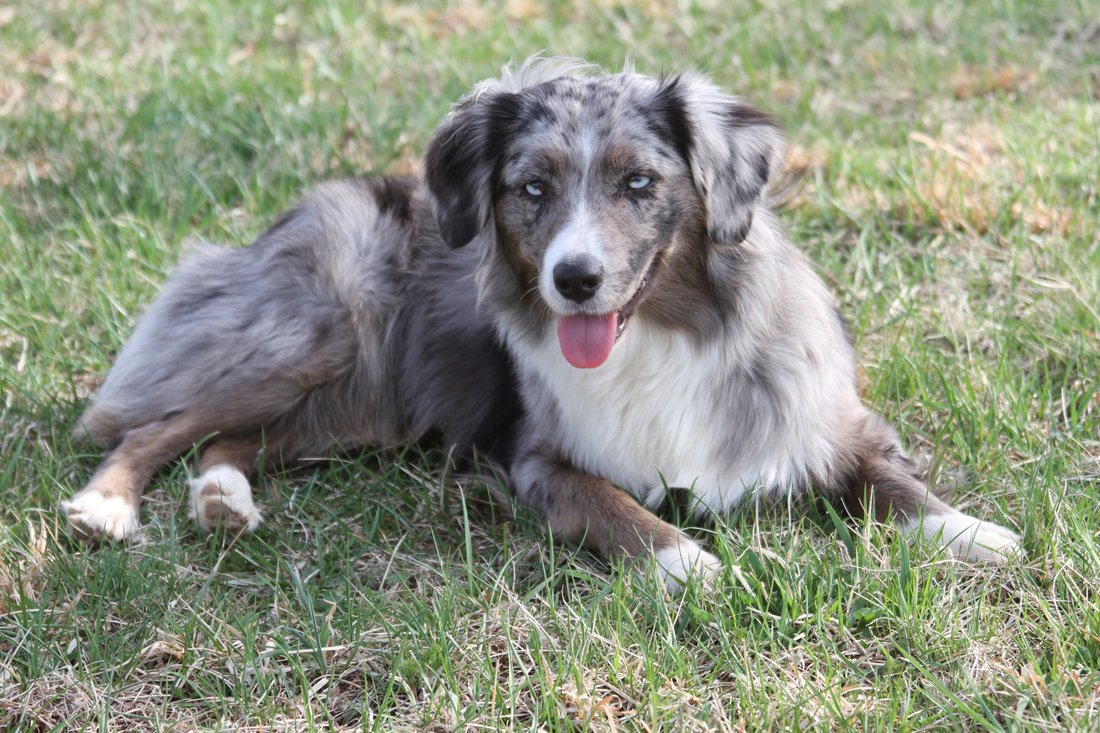
The Miniature American Shepherd developed in the United States from smaller Australian Shepherds, including dogs associated with traveling equestrian communities. Selection reduced size while retaining a herding outlook. Its compact body does not reduce the need for practical work and thoughtful guidance.
Training & behavior
Teach going to a station as people move, rewarding the choice before chasing or heel-nipping starts. Use gates during children’s running games. Alternate searching with short obedience patterns and teach a clear rest cue. Gradual neutral exposure to new people is more useful than forced enthusiastic greetings.
Daily needs & enrichment
Try tracking, rally, herding foundations, and progressively conditioned hikes. Increase impact work only as development allows. A series of searches can provide engagement without repeated high-speed turns. Practice recovery after activity rather than continually adding another game whenever the dog asks.
Coat care
Brush the double coat weekly in sections, checking behind ears, under elbows, belly, trousers, and tail with a comb. Add gentle daily sessions during heavy shedding and remove burrs after outdoor tasks. The longer surface can look neat while loose wool packs underneath.
Bathe when dirty, rinse dog shampoo fully, and dry through the undercoat with towels and cool airflow. Keep feet and sanitary areas practical without routine body shaving. Avoid scraping the skin with a rake or clipping away the coat as a replacement for regular root-level care.
Living Environment & Daily Needs
A Miniature American Shepherd needs substantial physical and mental engagement with people. Plan tasks, outings, and recovery time alongside regular coat care; a smaller herding frame does not reduce the working commitment.
Practical question
Does a smaller herding dog need less behavioral work than a larger one?
Size changes handling logistics, but movement sensitivity, task engagement, and settling still need deliberate teaching in the individual dog.
Plan care for the individual dog
Budget, time alone and household compatibility depend on the individual dog and your circumstances. Use our care budget guide, time-alone planning guide and questions before adopting alongside the breed-specific source information above.
Health questions for a veterinarian
Hip imaging and repeated eye examinations complement specific tests for prcd-PRA, HSF4 hereditary cataracts, MDR1 drug sensitivity, and neuroaxonal dystrophy. These address different concerns: an MDR1 result informs medication decisions rather than joint or eye health. NAD testing concerns an inherited neurological disorder, not every cause of poor coordination. Give relevant reports to the veterinarian and investigate progressive gait changes, visual difficulty, or unusual medication reactions despite otherwise normal results.
Editorial update: October 26, 2026. General information; individual care requires veterinary assessment. No veterinary review is claimed. See our Editorial Policy for sourcing and review practices.