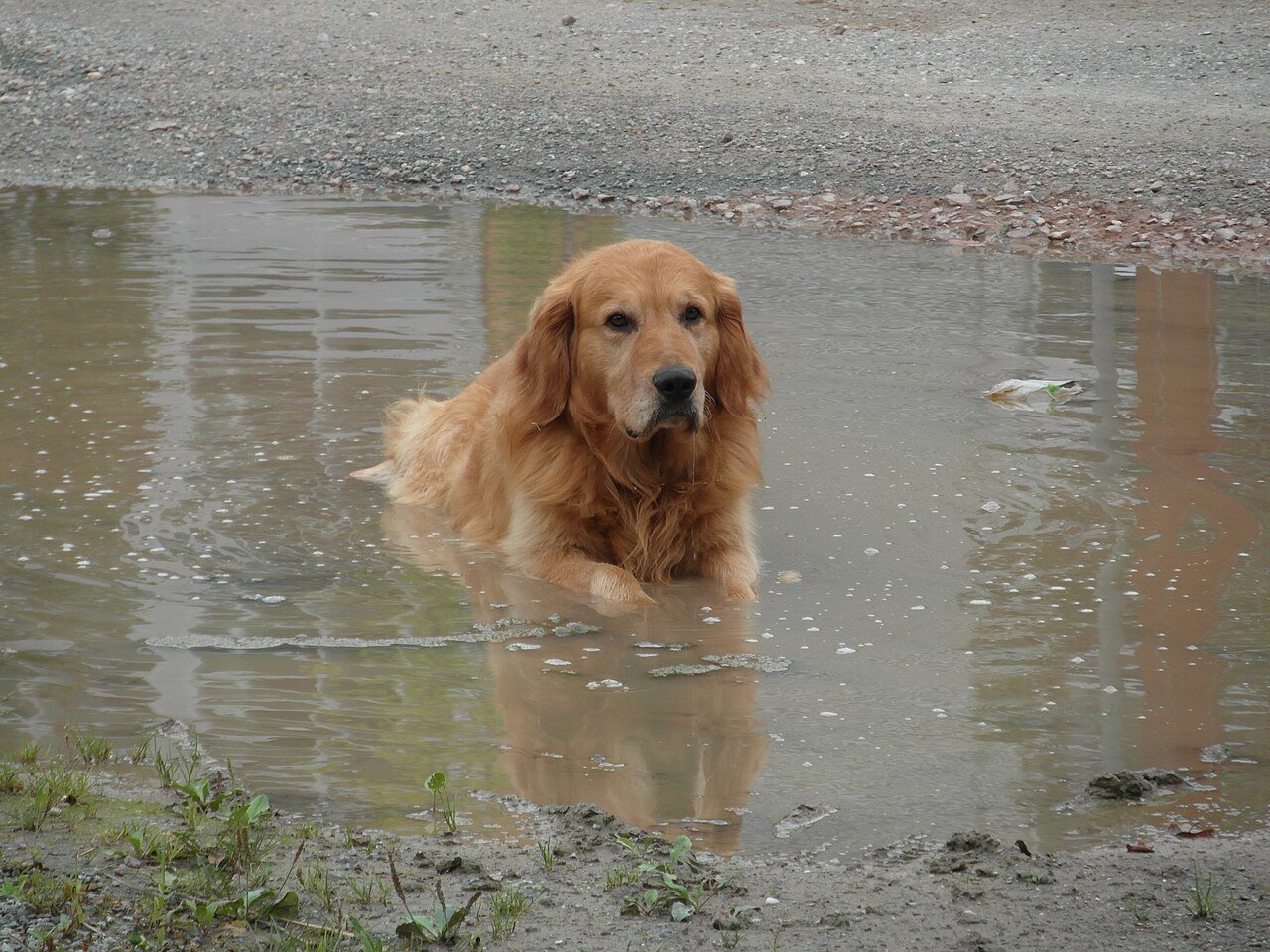
Ranges describe the registry profile, not a measurement, life expectancy, or health prediction for a particular dog. Separate sex or variety ranges are preserved where the source supplies them.
Source characteristics at a glance
The registry uses an ordinal 1–5 scale. A higher number indicates more of the named trait, not a better dog or a compatibility score. These descriptions are general and are not clinical measurements.
History and original work
Golden Retrievers were developed in the Scottish Highlands through the breeding program associated with Lord Tweedmouth. Retrieving dogs and the now-extinct Tweed Water Spaniel contributed to a dog suited to recovering game in wet country. Cooperative working tendencies still benefit from teaching rather than an expectation of automatic manners.
Training & behavior
Reward four feet on the floor before greetings and a quiet wait before a retrieve. Teach a gentle delivery and exchange stolen objects for an appropriate reward. Provide supervised chewing and teach leaving dropped food. Enthusiasm around children needs management and adult supervision, even in a generally sociable dog.
Daily needs & enrichment
Mix retrieves, tracking games, exploratory walks, and carefully introduced swimming. End games before repeated hard turns or fatigue, and condition gradually for longer outings. Growing dogs need coordination and forgiving surfaces before sustained impact work. Practicing calm recovery is useful for a dog that keeps offering to participate.
Coat care
Use a slicker and metal comb once or twice weekly, checking behind ears, under elbows, belly feathering, trousers, and tail. Increase gentle brushing to daily sessions during heavy shedding. Work through small sections to reach loose undercoat without scraping the skin, and remove plant material after outdoor play.
Bathe when dirty, rinse dog shampoo fully, and dry the water-resistant coat to its roots before a thorough brush-out. Towels and cool airflow help prevent a damp undercoat remaining beneath dry outer hair. Modest foot or sanitary tidying may help; routine body shaving is not needed to manage shedding. Avoid cutting mats close to hidden skin.
Living Environment & Daily Needs
A Golden's cooperative retrieving interest benefits from shared games, regular activity, and learning. Arrange comfortable rest and seasonal shedding cleanup at home; access to water or a yard should accompany an involved care schedule.
Practical question
Does a sociable reputation mean children can take toys from the dog?
No. Teach adults to supervise and trade safely, and give the dog undisturbed eating and resting spaces rather than testing its tolerance.
Plan care for the individual dog
Budget, time alone and household compatibility depend on the individual dog and your circumstances. Use our care budget guide, time-alone planning guide and questions before adopting alongside the breed-specific source information above.
Health questions for a veterinarian
Hip and elbow imaging, regular eye examinations, and cardiologist assessment address important inherited concerns, including subvalvular aortic stenosis. Eye disease can appear later, so a past clearance has a date and limits. A specific NCL DNA test addresses a severe inherited neurological disorder; it does not exclude every cause of abnormal movement. Ask about family illness and longevity as well as reports. New lumps, persistent lameness, unexplained weight loss, or fainting deserves assessment.
Editorial update: October 26, 2026. General information; individual care requires veterinary assessment. No veterinary review is claimed. See our Editorial Policy for sourcing and review practices.