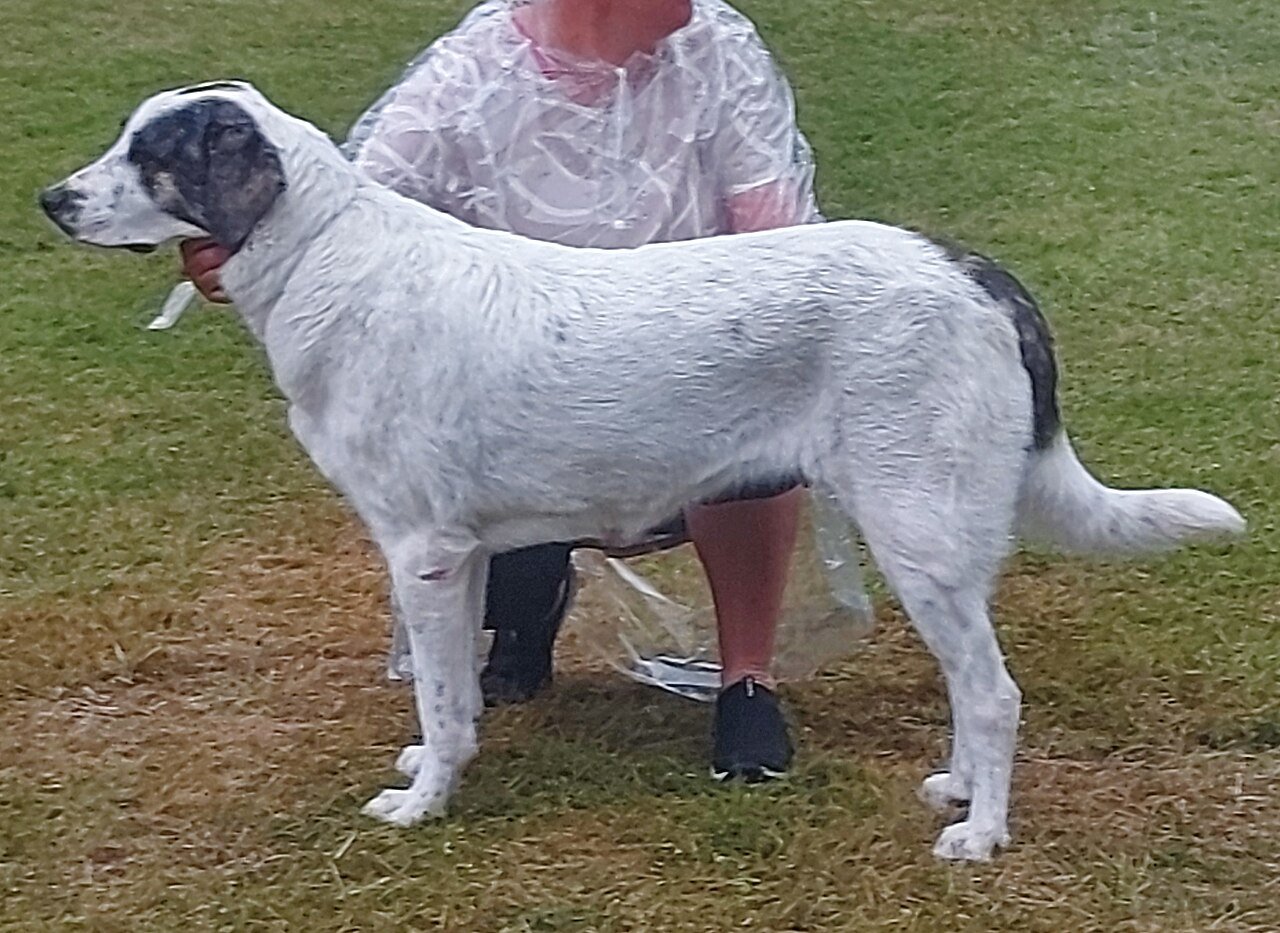
Ranges describe the registry profile, not a measurement, life expectancy, or health prediction for a particular dog. Separate sex or variety ranges are preserved where the source supplies them.
Source characteristics at a glance
The registry uses an ordinal 1–5 scale. A higher number indicates more of the named trait, not a better dog or a compatibility score. These descriptions are general and are not clinical measurements.
History and original work
The Rafeiro do Alentejo is a Portuguese guardian associated with the Alentejo plains. Its history includes accompanying livestock during seasonal movements and later guarding large rural properties. Proposed remote molosser ancestry is uncertain. Its tendency to remain alert around a property, particularly after dark, matters more to daily planning than a speculative ancient origin.
Temperament and training
Teach the Rafeiro to leave a lookout point and come to a familiar station for a reward. Arrange visitor access before the dog is watching from the gate, and practice with calm, predictable helpers. Do not encourage louder patrol as proof of usefulness. A livestock-guardian background does not establish safe behavior with visiting children or animals it has not been raised to know.
Daily needs & enrichment
Choose unhurried walks with time to investigate, then practice a short return-to-handler task away from the property boundary. Provide comfortable rest between outings. A large area to watch should not mean continuous exposure to passing traffic or neighborhood dogs; adjust access when vigilance prevents the dog from resting.
Coat care
Brush the dense, short-to-medium coat to lift loose hair, checking the undercoat as shedding changes. Inspect the feet and skin after rough ground and look under the drop ears without probing the ear canal. Make standing for grooming a rewarded skill so routine care does not become a contest with a large guardian.
Make brushing and undercoat checks a weekly routine, increasing gentle sessions during shedding. Bathe occasionally for soiling and dry thoroughly. Avoid harsh scraping, routine body shaving, and hot drying; plan nail care with stable support and familiar handling.
Living Environment & Daily Needs
A Rafeiro's guardian awareness should shape boundaries and controlled introductions, particularly around nighttime activity. Check full-sized rest and practical handling, and establish familiar routines rather than treating a quiet-looking presence as an absence of protective responsibility.
Care through life stages
Puppies need rewarded handling and controlled experiences of arrivals. Adults need shared activity and time off watch, including after dark. Adapt routes and access for seniors and investigate persistent stiffness or reluctance to rise.
Frequently asked questions
Does a quiet-looking Rafeiro need no plan for nighttime alerts? No. Observe the individual, manage exposure that prevents rest, and teach returning from a lookout point. Nighttime vigilance can affect both the household and its neighbors.
Questions to ask before choosing a dog
What health assessments can you document beyond saying that the family worked on farms? Ask for hip reports, causes of serious illness in relatives and a practical veterinary-handling plan. How does the dog settle after dark, leave a boundary when called and respond to unfamiliar arrivals?
Plan care for the individual dog
Budget, time alone and household compatibility depend on the individual dog and your circumstances. Use our care budget guide, time-alone planning guide and questions before adopting alongside the breed-specific source information above.
Health questions for a veterinarian
Published breed-specific medical evidence for the Rafeiro is limited; claims that it is naturally free of inherited disease are not justified. Hip dysplasia is a relevant orthopedic concern to discuss for this large dog, without assuming a known breed-wide frequency. Ask for parental hip reports and documented family mobility history, and have the veterinarian interpret the findings. Keep growth and weight appropriate, note stiffness after rest or reluctance to rise, and investigate persistent changes. Plan hands-on examinations and emergency transport around the adult dog's size and handling comfort.
Updated October 25, 2026. General information; see our Editorial Policy for sourcing and review practices.