Ranges describe the registry profile, not a measurement, life expectancy, or health prediction for a particular dog. Separate sex or variety ranges are preserved where the source supplies them.
Source characteristics at a glance
The registry uses an ordinal 1–5 scale. A higher number indicates more of the named trait, not a better dog or a compatibility score. These descriptions are general and are not clinical measurements.
History and original work
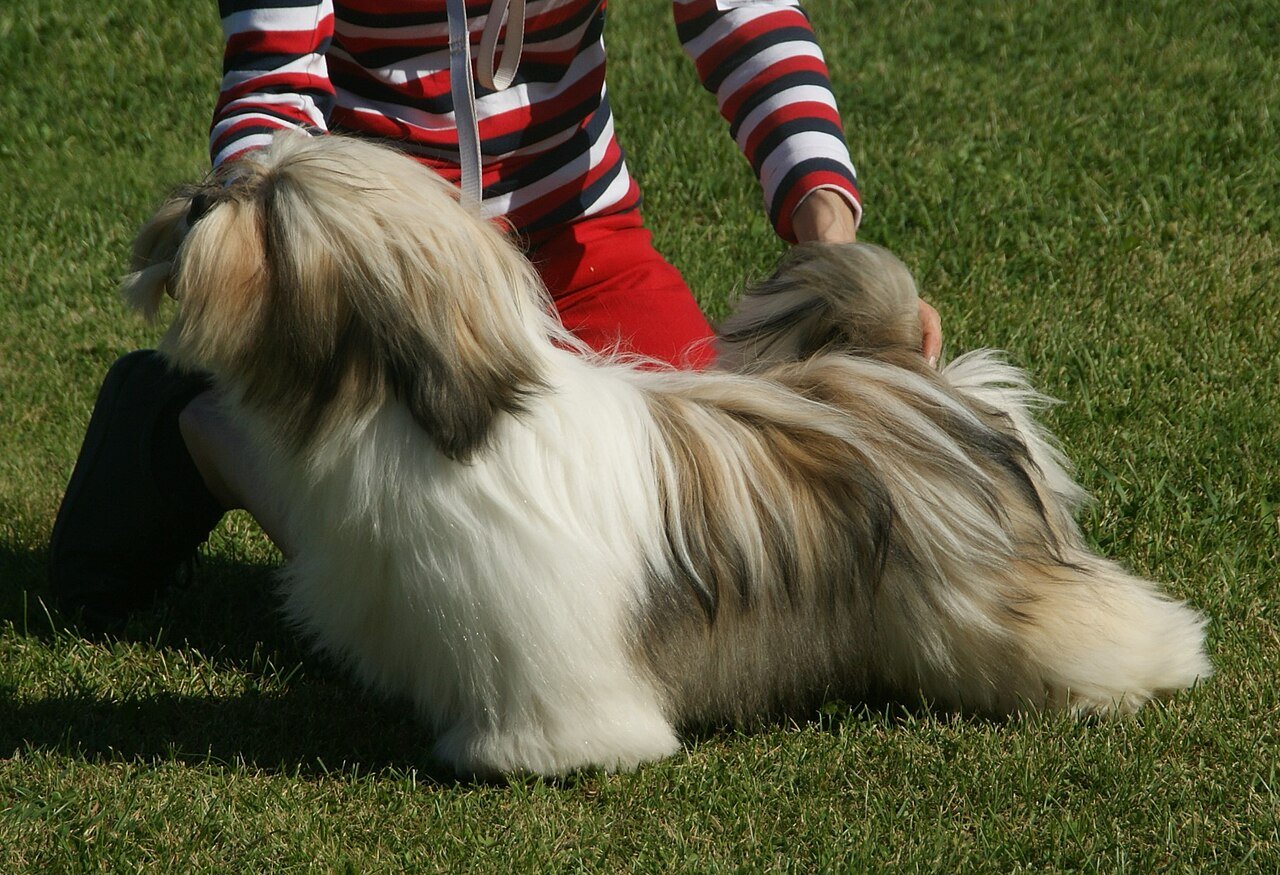
The Lhasa Apso developed in Tibet as an indoor sentinel and companion associated with homes and monasteries. Noticing arrivals was useful work. Its long covering and alert nature remain practical considerations, whether the dog wears a full coat or a shorter pet trim.
Training & behavior
Reward going to a resting place when the door sounds, allowing observation without forced greetings. Keep lessons interesting with small achievable steps. Rehearse grooming and face handling gently. Prevent arguments over found objects by teaching an exchange rather than repeatedly reaching into the dog’s mouth.
Daily needs & enrichment
Mix walks with scent searches and floor-level trick tasks. Offer exploration at a suitable pace and comfortable rest afterward. A small sentinel still needs choices and learning, while older dogs may require easier footing and shorter outings if mobility changes.
Coat care
For a long coat, brush in small lifted layers and use a metal comb at ear bases, armpits, belly, legs, and tail. Keep facial hair from irritating the eyes. A dog-appropriate conditioning or detangling product can reduce pulling; a short pet clip still needs regular checks at friction points.
Detangle before a needed bath, rinse shampoo and conditioner thoroughly, and dry in sections while brushing gently to the roots. Damp clean hair can still mat. Schedule trimming according to growth and comfort, avoiding scissors under hidden mats, hot drying, and an assumption that a puppy cut removes maintenance.
For a long coat, a bath about every two weeks is a common starting routine, with thorough brushing at least between baths and more frequent checks wherever tangles form. Adjust the schedule for skin health, activity, and the individual coat rather than waiting for tight mats.
Living Environment & Daily Needs
Consider a Lhasa's watchful response to arrivals when planning household visitors. Patient lessons and comfortable rest belong alongside regular grooming, whether the coat is kept long or in a practical trim.
Practical question
Does a short trim make bathing and drying optional?
No. Keep the skin clean as needed, rinse products fully, and dry friction areas; clipped hair can still mat or conceal irritation.
Plan care for the individual dog
Budget, time alone and household compatibility depend on the individual dog and your circumstances. Use our care budget guide, time-alone planning guide and questions before adopting alongside the breed-specific source information above.
Health questions for a veterinarian
Kidney dysfunction has been documented, but a general carrier-free guarantee should not be accepted from an unvalidated test. Ask about family records and investigate abnormal thirst, urination, poor growth, or weight loss. Dry eye, corneal injury, patellar problems, and urinary stones are also relevant clinical concerns. Squinting or a painful eye needs prompt assessment, and straining with little urine is urgent. Normal screening cannot exclude every later renal or eye disorder.
Editorial update: October 26, 2026. General information; individual care requires veterinary assessment. No veterinary review is claimed. See our Editorial Policy for sourcing and review practices.