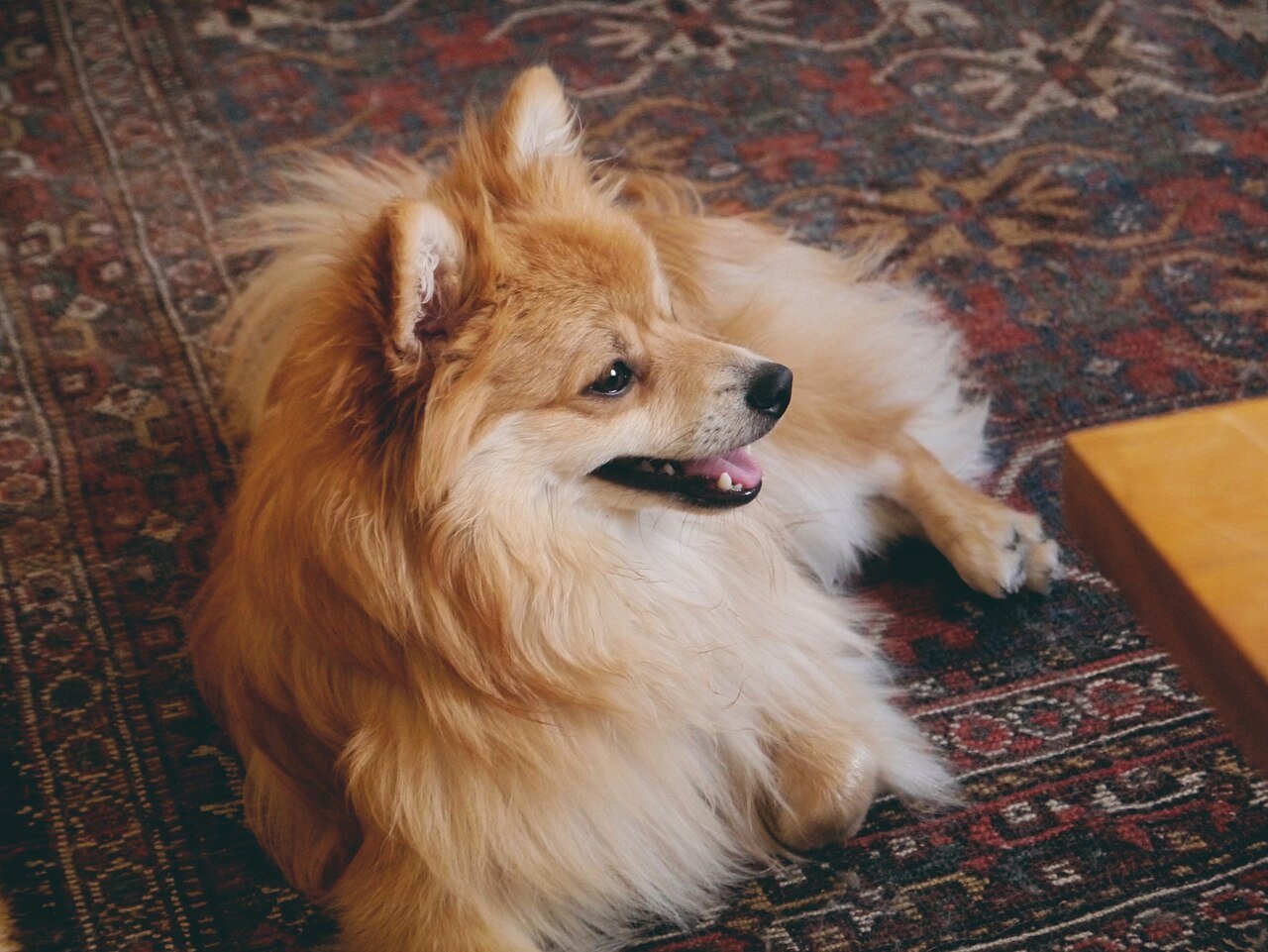
Ranges describe the registry profile, not a measurement, life expectancy, or health prediction for a particular dog. Separate sex or variety ranges are preserved where the source supplies them.
Source characteristics at a glance
The registry uses an ordinal 1–5 scale. A higher number indicates more of the named trait, not a better dog or a compatibility score. These descriptions are general and are not clinical measurements.
History and original work
German Spitz dogs developed in central Europe as alert household and farm companions. Several sizes share the pointed ears, curled tail, and abundant standing coat. Their watchdog role helps explain a readiness to announce changes; appearance alone does not identify the exercise needs or voice of an individual.
Training & behavior
Reward noticing a visitor and then turning away from the window. Teach a station away from the doorway and reinforce quiet pauses before barking builds. Keep puzzles and lessons varied. Prevent long unsupervised sessions at a fence, where repeated alerts can become a well-practiced habit.
Daily needs & enrichment
Use exploratory walks, searches for scattered food, and low-impact trick sequences. Inspect boundaries for gaps suitable to the actual size of dog. Introduce balance or agility foundations gradually, keeping jumps appropriate to development. Shared activity and scheduled rest help occupy an alert mind without constant excitement.
Coat care
Work a pin brush through small lifted sections of the double coat, then check with a metal comb behind ears, beneath the collar, and in the trousers. Give a thorough session weekly and additional brushing every few days; during a heavy molt, gentle daily removal of loose wool may be useful.
Ordinary dry dirt may brush out. Bathe when necessary, rinse dog shampoo fully, and dry all the way through the undercoat with towels and cool moving air. Routine close clipping is not coat maintenance. Avoid scraping attached hair, leaving compacted damp roots, or assuming a tidy outer surface means there are no mats underneath.
Living Environment & Daily Needs
Consider a German Spitz's alert voice when planning visitors and everyday home activity. Learning and settling practice belong alongside brushing and shedding cleanup, with comfortable rest and predictable access for the actual dog.
Practical question
Can brushing only the outer tips prevent mats?
No. Lift sections and check the roots with a comb, particularly during undercoat shedding; a smooth-looking surface can conceal compacted wool.
Plan care for the individual dog
Budget, time alone and household compatibility depend on the individual dog and your circumstances. Use our care budget guide, time-alone planning guide and questions before adopting alongside the breed-specific source information above.
Health questions for a veterinarian
Eye examinations and assessment of hips, elbows, and patellas are documented club screening topics across the sizes. Orthopedic reports assess joints, while a broad DNA panel only covers the variants actually tested and does not establish that every finding is important in this breed. Review results in context rather than assuming a long panel guarantees health. Skipping steps, persistent limping, squinting, or a change in vision deserves examination.
Editorial update: October 24, 2026. General information; individual care requires veterinary assessment. No veterinary review is claimed. See our Editorial Policy for sourcing and review practices.