You’ve found a flight for a family visit or a cross-country move. Now you need to know whether your dog can come, how you’ll get through the airport, and what happens if your plans change. Flying with a dog in the United States is possible when the operating airline accepts your pet and you meet the rules for every leg of the trip. Small pets may qualify for the cabin in an under-seat carrier. Larger dogs may need a separate cargo booking, where available.
Start with three checks before paying for a ticket. Ask the airline about the exact flight and aircraft, check the destination’s animal-entry requirements, and decide with your veterinarian whether your dog can handle the trip. A flight that works on paper can still be a poor choice for a dog with breathing problems or severe distress in a carrier.
Can You Fly With a Dog in the United States?
Yes, but the type of transport depends on the dog, the flight, and the airline. For pets in the cabin, FAA safety rules govern how the airline stows the carrier. Airlines decide whether to accept pets, what carriers fit, how many animals they can take, and which flights and seats are eligible. There is no single federal carrier dimension or pet weight limit that applies to every airline.
For each segment, find the words “operated by” on your itinerary and contact that airline. A ticket bought from one company can include a flight run by another. If you change flights, check the pet reservation again before accepting the new itinerary. A seat for you can be available even when the flight’s pet allotment is full.
Flying With Dogs in the Cabin vs. Cargo

Cabin travel keeps your dog near you. The carrier generally goes under the seat in front of you, where it must fit without blocking access to the aisle. Follow the crew’s instructions for stowage during taxi, takeoff, and landing, and follow the airline’s rules for leaving the dog inside throughout the flight.
Depending on the airline, travel in the aircraft hold may be offered as checked transport for eligible travelers or as a separate live-animal shipment. Ask how your dog will be handed over, held before loading, transferred during connections, and released on arrival. A direct itinerary reduces handoffs. Weather restrictions may apply at departure, at connecting airports, or at the destination.
| Factor | Cabin | Cargo or checked transport |
|---|---|---|
| Space | Carrier fits under the seat. | Rigid kennel sized to the dog and accepted by the operator. |
| Eligibility | Dog fits comfortably. Flight and seat must allow pets. | Route, breed, kennel, weather, and shipment rules apply. |
| Main concerns | Limited movement, noise, and confinement. | Separation, transfers, and temperature exposure during handling. |
| Before booking | Confirm pet space and carrier dimensions. | Confirm drop-off, pickup, restrictions, and the delay plan. |
If your dog cannot fit comfortably in the cabin, ask about ground transport as well as air cargo. Compare the entire journey, including time in a kennel before departure and after arrival. For flexible trips during hot weather, start with these summer dog safety tips when weighing the risks of extended time outside.
Airline Rules for Flying With a Dog
Contact the operating airline as soon as you know your flight dates. Ask whether you can reserve your dog before paying, how you’ll receive confirmation, and where you need to check in. Bulkhead and exit-row seats can be ineligible, and some aircraft or premium cabins have limited under-seat space. An aircraft change can affect a carrier that otherwise fits the airline’s published limits.
Ask for the maximum outside dimensions for your seat, the minimum age for your route, and any combined dog-and-carrier weight limit. Confirm whether a soft-sided carrier is permitted, how it counts toward your carry-on allowance, and whether the airline requires proof of vaccination or a veterinary certificate. If a ticket agent describes an exception, ask whether it applies to every segment and keep the written confirmation where you can retrieve it at the airport.
How Much Does It Cost to Fly With a Dog?
Ask for the total cost for a round trip with your exact routing. Airlines can charge a cabin pet fee each way, and long stopovers or separate tickets may change the total. Check when payment is due and what happens to the pet fee if you cancel, change flights, or the airline cannot carry the dog. The passenger ticket’s refund rules may differ from the pet fee rules.
As of November 16, 2026, American Airlines lists a $150 carry-on pet fee per kennel on eligible routes, including within the United States. Delta lists a $150 USD carry-on pet fee for travel within the U.S. on tickets issued on or after April 8, 2025. Confirm your route and fare before booking, especially if your itinerary includes an international segment or an operating partner.
Cargo costs can depend on the route and the size and weight of the kennel and dog. Compare quotes using the same kennel measurements and itinerary. Include the carrier purchase, veterinary visits, documentation, government endorsement, and any destination or facility fees. If a connection requires collecting and rechecking the dog, account for your time and the cost of a backup overnight stay.
What Documents Do Dogs Need to Fly?
Requirements come from different places. The airline can impose its own check-in rules. A state, territory, foreign country, or federal agency can require separate documents. A current rabies certificate is worth keeping handy, but it serves a different purpose from a health certificate or a CDC import receipt.
| Trip | What to verify |
|---|---|
| Domestic U.S. | Airline paperwork, any destination rules for vaccination or a veterinary certificate, and separate requirements for territories or destinations such as Hawaii. |
| Leaving the U.S. | Destination and transit rules, including any microchip, vaccination, test, treatment, permit, veterinary certificate, or USDA endorsement. |
| Entering the U.S. | CDC Dog Import Form receipt, age, health and microchip eligibility, plus any documents required for the dog’s vaccination and travel history. |
Compare the microchip number across records. If it was copied incorrectly, contact the issuing veterinarian before the trip so there is time for an official correction. Save backups offline, carry originals or printouts where required, and keep the paperwork with you at the airport. Verify certificate validity using the date of entry or departure specified by the destination, especially when the itinerary crosses time zones.
TSA Security Screening With Your Dog
At the checkpoint, tell the officer you have a dog. Follow the officer’s instructions to remove the dog from the carrier and send the empty carrier through the X-ray machine. Keep a secure leash on the dog and follow instructions about carrying or walking the dog through screening. Never send a dog through the baggage X-ray. The officer may use additional screening procedures.
If you’re concerned your dog might bolt when the carrier opens, ask the officer about private screening before you unzip it. Keep one hand on the leash when gathering your belongings. Return the dog to the carrier at the first safe opportunity and check the latches or zippers before moving away. The airline’s pet check-in and TSA’s security screening are separate steps.
Choosing the Right Airline Dog Carrier
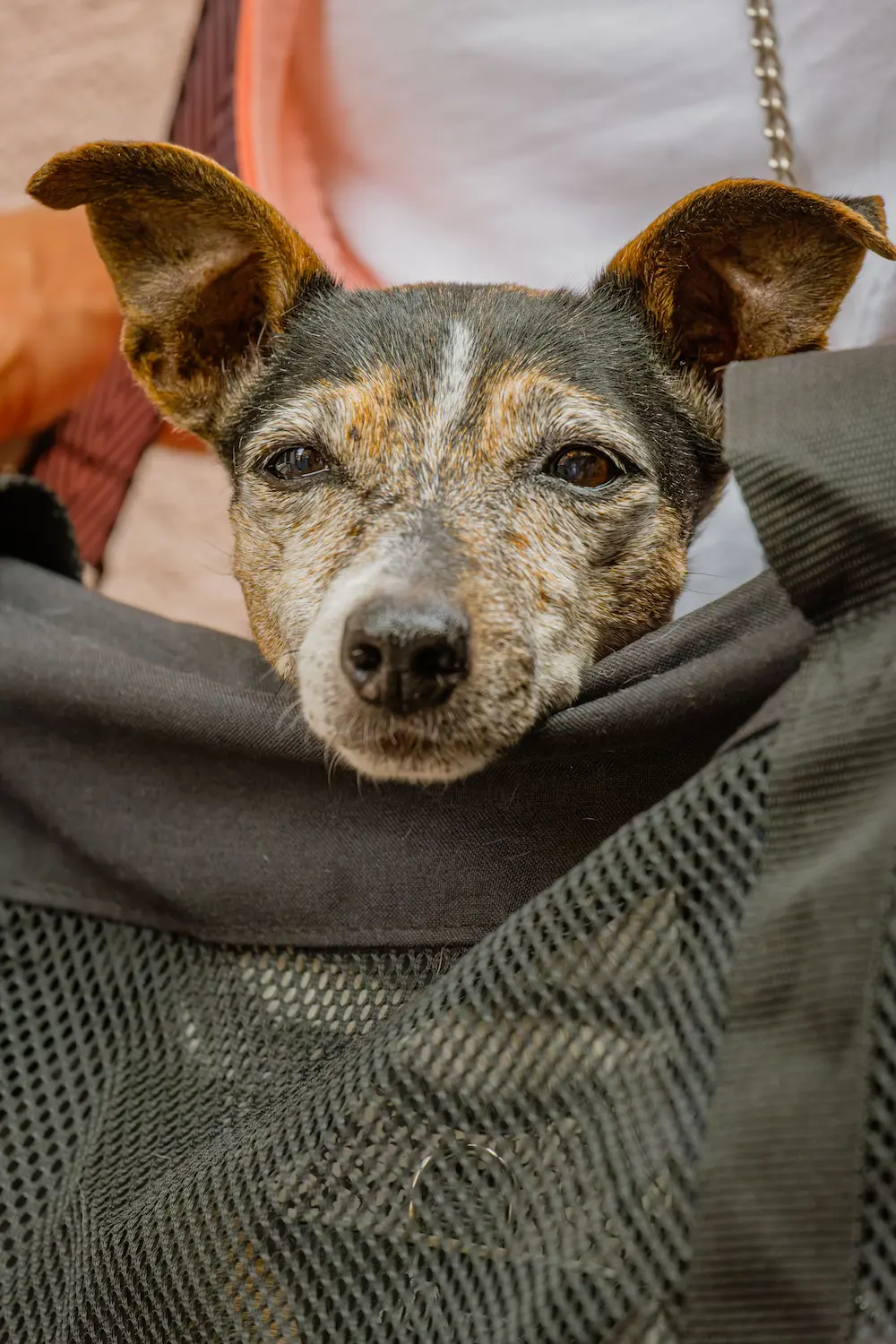
Measure your dog standing naturally and then measure the outside of the carrier. Your dog needs enough usable room to stand, turn around, and lie down comfortably. The carrier still has to fit in the space the airline permits. A soft-sided bag that only fits when pressed down onto the dog’s head or shoulders is a poor fit.
Look for unobstructed ventilation, secure closures, a stable base, and an absorbent liner allowed by the operator. Check the carrier with your dog inside so you can see whether the base sags and whether the dog pushes against the fasteners. For cargo, ask the operator for its specific rules on kennel construction, hardware, ventilation, water containers, labeling, and bedding. Confirm the acceptance requirements before spending money on a kennel.
How to Prepare Your Dog for a Flight

Start carrier practice well before travel. Leave the door open in a familiar room and reward your dog for walking in voluntarily. After your dog settles, briefly close it and reopen it before anxiety builds. Increase duration, then practice a short carry or a short drive. If your dog pants heavily, paws at the door, or refuses food it normally enjoys, make the session easier. These common dog training mistakes can help you spot when you’re progressing too quickly.
Ask your veterinarian about the timing of meals, water, and any prescribed medication. This matters for puppies and dogs with health conditions or time-sensitive medication schedules. Plan bathroom breaks around check-in and boarding, and locate pet relief areas along your route. If you use calming music for dogs at home, use it during familiarization when it helps your dog settle. Practice some sessions without it, too, so your dog can get used to the carrier in different environments.
Preflight checklist
- Before booking. Ask the operating airline about space and eligibility. Check your dog’s health, the destination rules, and the requirements for your return.
- Before departure. Confirm the pet reservation. Scan the microchip with your veterinarian, update the registry contact details, practice with the carrier, and verify forms before their deadlines.
- On travel day. Bring the airline confirmation, required paperwork, leash, waste bags, and permitted supplies. Arrive in time for pet check-in and allow a bathroom break before boarding.
Special Considerations for Puppies, Senior Dogs, and Short-Nosed Breeds
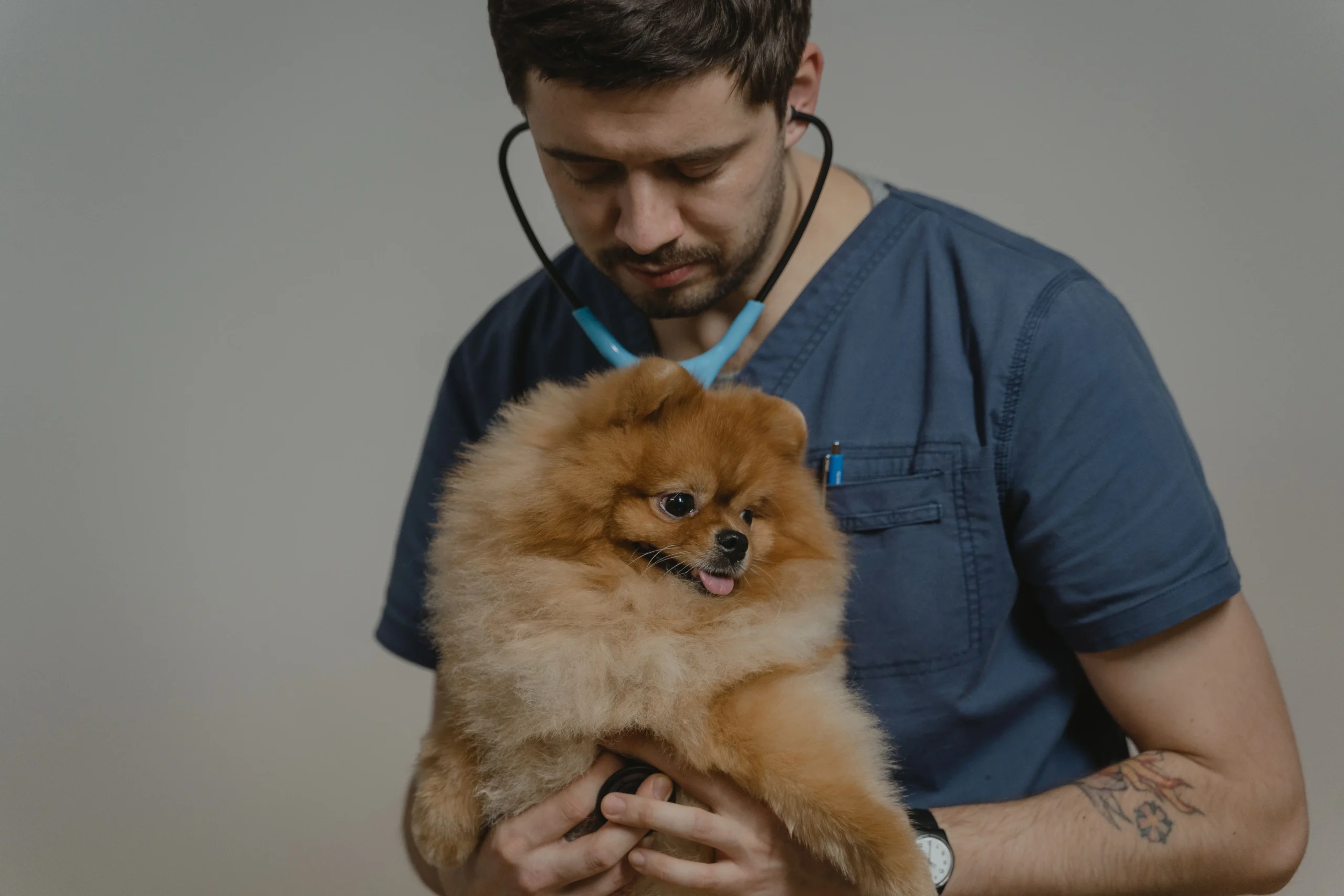
A minimum age around eight weeks appears in some air transport policies, but airlines and routes can set different requirements. A puppy entering or returning to the United States from abroad must be at least six months old under CDC rules. Check age at the relevant travel date and ask your veterinarian whether the puppy is ready for the trip.
For an older dog, tell your veterinarian how long your dog will be confined and whether the airline would transport the dog in cargo. Consider mobility, pain, breathing, heart disease, and tolerance of unfamiliar handling. Short-nosed dogs such as pugs and bulldogs face higher risks of overheating and breathing difficulties. Some carriers restrict these breeds in cargo. Discuss alternatives with your veterinarian if breathing, temperature, or distress is a concern. Never give a sedative on your own, and check the airline’s medication policy.
Flying With a Service Dog
Under U.S. Department of Transportation rules implementing the Air Carrier Access Act, a service animal is a dog individually trained to do work or perform tasks for a person with a disability. A psychiatric service dog that is trained to perform a disability-related task qualifies. Emotional support animals can be transported under an airline’s pet policy. An online certificate alone cannot establish that the dog has been trained to perform a task.
An airline may require the DOT Service Animal Air Transportation Form and, for a flight segment scheduled for eight hours or longer, the DOT Service Animal Relief Attestation Form. Ask when and how to submit them. The dog must remain under control and fit in the permitted space without obstructing the aisle. International animal-entry and transit requirements can apply to service dogs too.
International Flights and Returning to the United States
Use USDA APHIS destination guidance to plan your departure. Call a USDA-accredited veterinarian early and give them the countries, dates, transit airports, and return plans. Some destinations require a particular sequence, such as microchipping before rabies vaccination. Others set short windows for parasite treatment or the final exam. If USDA endorsement is required, confirm how the veterinarian submits the certificate and how you will receive it in time.
Check the return rules before you leave the United States. The CDC requires dogs entering the country to appear healthy, be at least six months old, have a detectable microchip, and have a CDC Dog Import Form receipt. The baseline requirements apply even when you’re bringing your own dog home. Work through the CDC Dog Importation Navigator using the dog’s actual locations in the six months before entry. Keep the receipt available at boarding and on arrival.
If your dog spent that entire period in dog-rabies-free or low-risk countries, the CDC import form is generally the only CDC form required. Other authorities and the airline may have separate requirements. If the dog has been in a high-risk country, the requirements depend on where the dog was vaccinated. For a U.S.-vaccinated dog leaving now, arrange the Certification of U.S.-Issued Rabies Vaccination with a USDA-accredited veterinarian and get USDA endorsement before departure.
A foreign-vaccinated dog with high-risk country history generally needs endorsed vaccination and microchip documentation, a reservation at a CDC-registered animal care facility, and arrival by air at the airport that serves the facility. The facility handles examination and revaccination. Without a valid rabies antibody titer, a quarantine reservation is also required. Check the applicable CDC instructions before booking the return, including the approved lab, entry point, or any additional restrictions on your route.
Mistakes to Avoid When Flying With a Dog
- Booking a tighter connection to save money. Ask what happens to the pet during transfers and where you can take a relief break. Leave time for terminal changes and repeat screening.
- Assuming the return is a mirror of the outbound flight. Verify the return aircraft and pet space independently. Entry documents and procedures can differ in each direction.
- Ignoring disruptions. Know who to call if a flight is canceled, a temperature embargo is announced, or the kennel is refused at check-in. Keep the airline’s live-animal contact and veterinary paperwork accessible.
Frequently Asked Questions
Can my pet dog sit on my lap during a flight?
Plan to keep a cabin pet inside its carrier and follow the operating airline’s rules and crew instructions for where the carrier goes. Service dogs travel under separate rules.
Can I buy a seat for my dog?
Ask the operating airline about its seating policy. Buying another seat does not automatically qualify your pet for cabin travel or replace the carrier and stowage requirements.
Does my dog need a health certificate for a domestic flight?
It depends on the airline, travel method, and destination. Confirm all three before booking your appointment so your certificate is issued within the required window.
Can a large dog fly?
Some larger dogs can travel through an airline’s live-animal cargo program or an eligible checked-transport option. Confirm breed restrictions, kennel acceptance, weather limits, and pickup instructions for the exact route.
Can puppies fly domestically?
Some can. Verify the airline’s minimum age, confirm any destination requirements, and ask your veterinarian if the puppy is healthy enough to fly. The CDC’s six-month threshold applies to U.S. entry from abroad.
Does TSA make dogs leave their carriers?
Small pets are typically removed so the empty carrier can be screened. Ask for private screening if opening the carrier in the crowd would be unsafe.
Can I use my dog’s rabies certificate to return to the U.S.?
Check the CDC requirements for your dog’s vaccination and travel history. A rabies certificate alone does not replace the CDC Dog Import Form receipt or any required endorsed documentation.
Before You Book
Start with the dog and work backward from the trip. Choose a route your dog can tolerate, confirm the carrier and reservation with every operating airline, and check both directions of travel before you commit. If the itinerary gives you too little time to prepare or puts your dog’s health at risk, change the route, travel by ground, or arrange care at home.
General guidance does not replace individual veterinary or behavior assessment.