You scoop up your dog’s poop and spot something that looks like a grain of rice. It could be a tapeworm segment. A long, pale, spaghetti-like worm might be a roundworm. But many dogs with worms pass stool that looks completely normal, and some show no signs of illness. A photo and a fresh stool sample can help your veterinarian investigate what you found.
Worms in dogs can cause diarrhea, vomiting, weight loss, poor growth, or anemia, depending on the parasite. Roundworms, hookworms, whipworms, and tapeworms live in the digestive tract. Heartworms spread through mosquito bites and mainly affect blood vessels in the lungs. The tests, treatment, and prevention differ. If your dog collapses, struggles to breathe, or has very pale gums with marked weakness, seek emergency veterinary care.
How do dogs get worms?
Dogs encounter parasites in ordinary places: shared yards, parks, boarding facilities, and spots where wildlife or other dogs leave feces. Some intestinal worm eggs develop in soil before they can infect a dog. A dog may swallow them while licking dirty paws or sniffing and mouthing objects outdoors. Some hookworm larvae can also penetrate skin, and some intestinal worms spread when a dog eats an infected animal.
Transmission can start before a puppy’s first walk. The common canine roundworm Toxocara canis can pass from a mother to her puppies before birth. Puppies can also acquire certain worms through nursing. Fleas carry the common tapeworm Dipylidium caninum; a dog becomes infected by swallowing an infected flea, often while grooming. Heartworm has a different route. An infected mosquito transmits larvae when it bites, and mosquitoes can reach dogs indoors.
Signs of worms in dogs
Some dogs have regular appetites, normal stools, and plenty of energy despite carrying worms. When illness develops, the signs depend on the species, the number of worms, and the dog’s age and health. Watch for changes from your dog’s usual habits, especially several changes occurring together.
- Diarrhea that persists or returns, sometimes with mucus or blood.
- Vomiting or changes in appetite.
- Weight loss, poor growth in puppies, or a rounded belly.
- Low energy, weakness, or pale gums.
- Visible worms or small segments around the anus, on bedding, or in stool.
A persistent cough, tiring easily during exercise, or breathing changes can occur with heartworm disease. Similar signs also occur with other heart and lung conditions. Digestive signs likewise have many possible causes, from a sudden diet change to infections or a swallowed object. Write down when symptoms began and whether your dog has been eating, drinking, and acting normally. Those details help the clinic decide how quickly your dog needs to be seen.
Types of worms in dogs and how they compare
| Parasite | Typical spread | Possible signs | Prevention |
|---|---|---|---|
| Roundworms | Eggs in soil, infected prey, or mother to pups | Poor growth, round belly, vomiting | Early puppy care, fecal tests, prompt waste pickup |
| Hookworms | Larvae swallowed, through skin, or in milk for some species | Weakness, anemia, dark or bloody stool | Veterinary parasite control, clean runs and yards |
| Whipworms | Swallowing eggs from contaminated soil | Recurring diarrhea, mucus, blood, weight loss | Confirm preventive coverage and remove feces |
| Tapeworms | Swallowing infected fleas or, for some species, prey | Rice-like segments, often few other signs | Flea control and less hunting or scavenging |
| Heartworms | Infected mosquito bite | Cough, exercise intolerance, breathing trouble | Year-round heartworm prevention and annual testing |
Roundworms
Adult roundworms live in the small intestine. Puppies with heavy infections may develop a potbellied appearance, grow poorly, or vomit worms. Severe infections can occasionally obstruct the intestine. Adult dogs can pick up roundworms from contaminated ground or by eating infected prey. Removing stool promptly helps reduce the number of eggs that have a chance to develop in soil, where they can survive for long periods.
Hookworms
Hookworms attach to the lining of the small intestine and feed on blood. A heavy infection can cause serious anemia, especially in young puppies. Dark, tarry stool can reflect digested blood, while pale gums and weakness can signal significant blood loss. A veterinarian may check both a fecal sample and the dog’s blood. Infections that persist after treatment sometimes need additional investigation, including testing for reduced response to medication.
Whipworms
Whipworms generally live in the cecum and colon. A dog may have intermittent diarrhea, mucus or blood in the stool, or weight loss. Whipworm eggs can persist in the environment, so dogs may be exposed again in the same yard or run. Eggs may be absent from a sample during early infection or shed irregularly. Tell your veterinarian if digestive signs return after a negative test.
Tapeworms
With the flea tapeworm, owners often notice moving segments near the tail or dry bits that look like rice on a dog bed. Some dogs scoot or lick the area, but anal gland problems and skin irritation can cause similar behavior. Other tapeworms can spread through prey or animal tissues. When fleas are the source, treating the tapeworm and controlling fleas address two parts of the same problem.
Heartworms
Heartworm larvae take months to mature after an infected mosquito bite. Adult worms typically occupy the pulmonary arteries, and advanced disease can affect the heart as well. Dogs may look healthy early on. A stool test cannot diagnose heartworm disease. Ask about annual blood screening and year-round prevention even if your dog spends most of the day indoors. There is no commercially available heartworm vaccine.
What do worms in dog poop look like?
Roundworms can resemble pale strands of spaghetti. Fresh tapeworm segments may move and look like little grains of rice, while dried ones can resemble seeds. Hookworm and whipworm eggs are microscopic. Food fragments, strands of mucus, and material picked up outdoors can also look like worms. Use a photo to document what you saw and let your veterinary team identify it.
Call the clinic for sample instructions. It may ask for a small amount of fresh stool in a sealed, labeled container or bag. If you found a separate segment on bedding, mention that when you call. Wash your hands afterward, and avoid collecting old stool from a shared yard where it could have come from another dog. A sick dog needs care even when a sample is unavailable.
How veterinarians diagnose worms in dogs

Your veterinarian considers the dog’s symptoms, age, preventive history, and likely exposures. Centrifugal fecal flotation separates parasite eggs from stool so the lab can look for them under a microscope. Depending on the suspected parasite, a veterinary team may also use fecal antigen testing to detect parasite proteins or PCR to look for parasite DNA. A lab may check for Giardia or coccidia when signs warrant it. Both are microscopic protozoan parasites.
A negative result can occur early in infection, when eggs are being shed intermittently, or when the sample contains none. Routine flotation can also miss tapeworm infections because segments and eggs are unevenly distributed. A repeat sample or a different test may clarify a result. For heartworm, veterinarians use blood tests that look for parasite antigen and circulating larvae called microfilariae. Recent exposure and missed preventive doses can affect when testing is informative, so give your veterinarian the dates you have.
How are worms in dogs treated?
A veterinarian chooses treatment based on the parasite, the dog’s weight and age, and how sick the dog is. Products differ in what they cover. A flea preventive, for example, can help interrupt transmission of flea tapeworms, but a dog with an established tapeworm infection may also need targeted treatment. An anemic or dehydrated dog can need supportive care before or alongside parasite treatment.
Ask when to repeat the stool test and what to do about other pets in the home. Returning symptoms can reflect a new exposure, a different cause of illness, or an infection that needs further evaluation. Some canine hookworm infections are difficult to clear, and a veterinarian can decide whether follow-up egg counts are appropriate. Keep a record of what your dog received and when. Avoid home remedies such as garlic or essential oils and leave human medications out of your dog’s treatment plan.
Heartworm disease requires its own veterinary treatment plan. The veterinarian may assess the stage of disease, discuss activity restriction, and arrange follow-up testing. If your dog has a positive test or has missed doses, contact the clinic for instructions before changing the schedule on your own.
Why puppies need early parasite care

A puppy can arrive home with worms even after receiving a previous treatment. Bring breeder, rescue, or shelter records to the first appointment, including the dates and names of any products used. Your vet can check the puppy’s growth, review the history, and schedule fecal tests and age-appropriate parasite care. Ask how to keep the puppy’s outdoor toilet area clean while it learns where to go.
Young puppies can deteriorate quickly when they lose fluids or blood. Call promptly about persistent diarrhea, vomiting, or poor feeding. If your puppy is very weak, has pale gums, or has bloody diarrhea and seems unwell, seek immediate care. If chewing increases during puppy teething, supervise what your puppy picks up outdoors. Routine vaccines are important and address different diseases from intestinal worms and heartworm.
Can humans get worms from dogs?
People can become infected with certain dog parasites when the right exposure occurs. For Toxocara roundworm, the usual route is accidentally swallowing infective eggs from contaminated soil or food. Some animal hookworm larvae can enter bare skin that touches contaminated soil or sand and cause an itchy rash. Risk depends on the parasite and the exposure. Healthy habits can reduce risk without disrupting ordinary time with your dog.
Pick up feces promptly, wash hands with soap and water after handling waste or working outdoors, and supervise handwashing before children eat. Cover sandboxes when they are not in use, and use footwear in areas where pet waste may contaminate soil or sand. A healthcare professional can advise anyone with symptoms after a possible exposure.
Dog parasite prevention checklist
- Review preventive coverage with your veterinarian. Ask which intestinal worms, fleas, and heartworms each product covers and how to handle missed doses.
- Schedule fecal checks. CAPC recommends at least four in the first year and at least twice a year for adults, with timing adjusted for health, lifestyle, and local risk.
- Keep heartworm prevention on a year-round schedule. Ask about annual testing even when doses have been given on time.
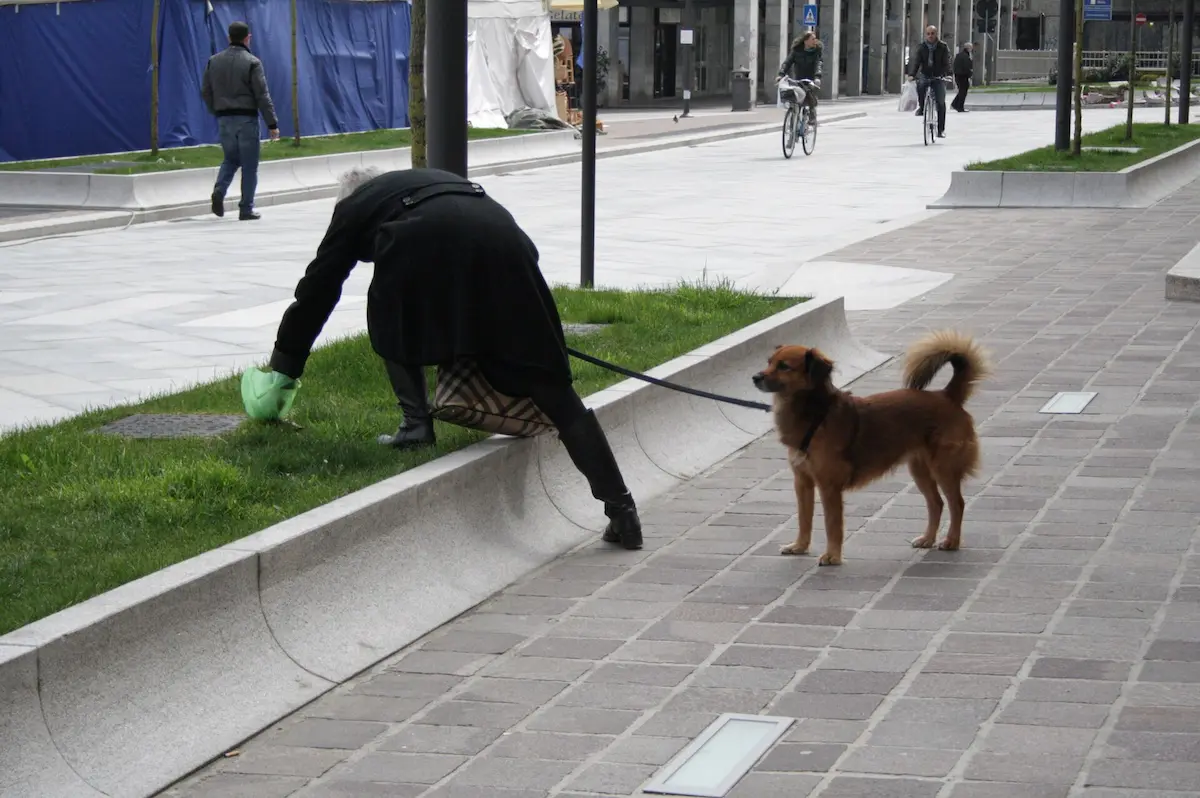
- Pick up stool right away on walks. Check the yard daily and bag waste for disposal according to local rules.
- Control fleas consistently. Ask about a plan for each pet and the home if you find fleas or see tapeworm segments.
- Limit scavenging and hunting. Prevent access to carcasses and raw animal tissues, and bring fresh drinking water when you head out. For hot-weather outings, see our summer dog safety guide.
When to call your veterinarian

Routine visit: If your dog feels well, use a scheduled visit to review fecal screening, heartworm testing, and preventive coverage. Bring any adoption paperwork and the names of products you use.
Call promptly: Contact the clinic if you find worms or segments, see repeated diarrhea or vomiting, or notice unexplained weight loss, poor growth, or a new cough. Report any blood in the stool and let the clinic advise on urgency.
Emergency care: Seek immediate help for collapse, breathing difficulty, very pale gums, or severe weakness. Persistent vomiting with lethargy, bloody diarrhea with marked illness, or repeated vomiting with a painful or swollen abdomen also needs urgent evaluation. The same applies to a puppy that looks severely ill. Call ahead if you can do so safely.
Frequently asked questions
Can a dog have worms and look healthy?
Yes. A dog may have normal stools and appetite, especially early in infection or with a small number of worms. Routine testing can yield information that appearance alone cannot provide.
Are rice-like pieces in stool always tapeworms?
No. Tapeworm segments are one possibility. Take a photo and ask your clinic whether it wants a stool sample, the segment, or both.
Can indoor dogs get worms?
Yes. Puppies can acquire some worms from their mother, fleas may enter homes, and mosquitoes can bite indoors. Even short trips outside can expose dogs to contaminated ground.
How often should dogs be dewormed?
Ask your veterinarian for a plan based on age, test results, lifestyle, and the coverage of any current preventive. Puppies often need early, repeated veterinary parasite care, and adult dogs need ongoing prevention and screening.
Can dogs get worms from fleas?
Yes. Dogs can get the common flea tapeworm by swallowing an infected flea while grooming. Ask about both treating the infection and controlling fleas.
Can my dog get worms again after treatment?
Yes. A dog can encounter infected fleas, contaminated soil, or other sources again. Follow-up testing and prevention help your veterinarian check whether the original infection cleared and reduce the chance of another one.
What to do next
If you spot worms or notice ongoing digestive changes, contact your veterinary clinic and ask about bringing a sample. Keep a record of preventive doses, schedule regular fecal and heartworm checks, and pick up waste promptly. These steps help protect your dog and reduce exposure for other pets and people.
This article is for education. Your veterinarian can diagnose your dog and recommend treatment based on an exam and appropriate tests.
General guidance does not replace individual veterinary or behavior assessment.