Ranges describe the registry profile, not a measurement, life expectancy, or health prediction for a particular dog. Separate sex or variety ranges are preserved where the source supplies them.
Source characteristics at a glance
The registry uses an ordinal 1–5 scale. A higher number indicates more of the named trait, not a better dog or a compatibility score. These descriptions are general and are not clinical measurements.
History and original work
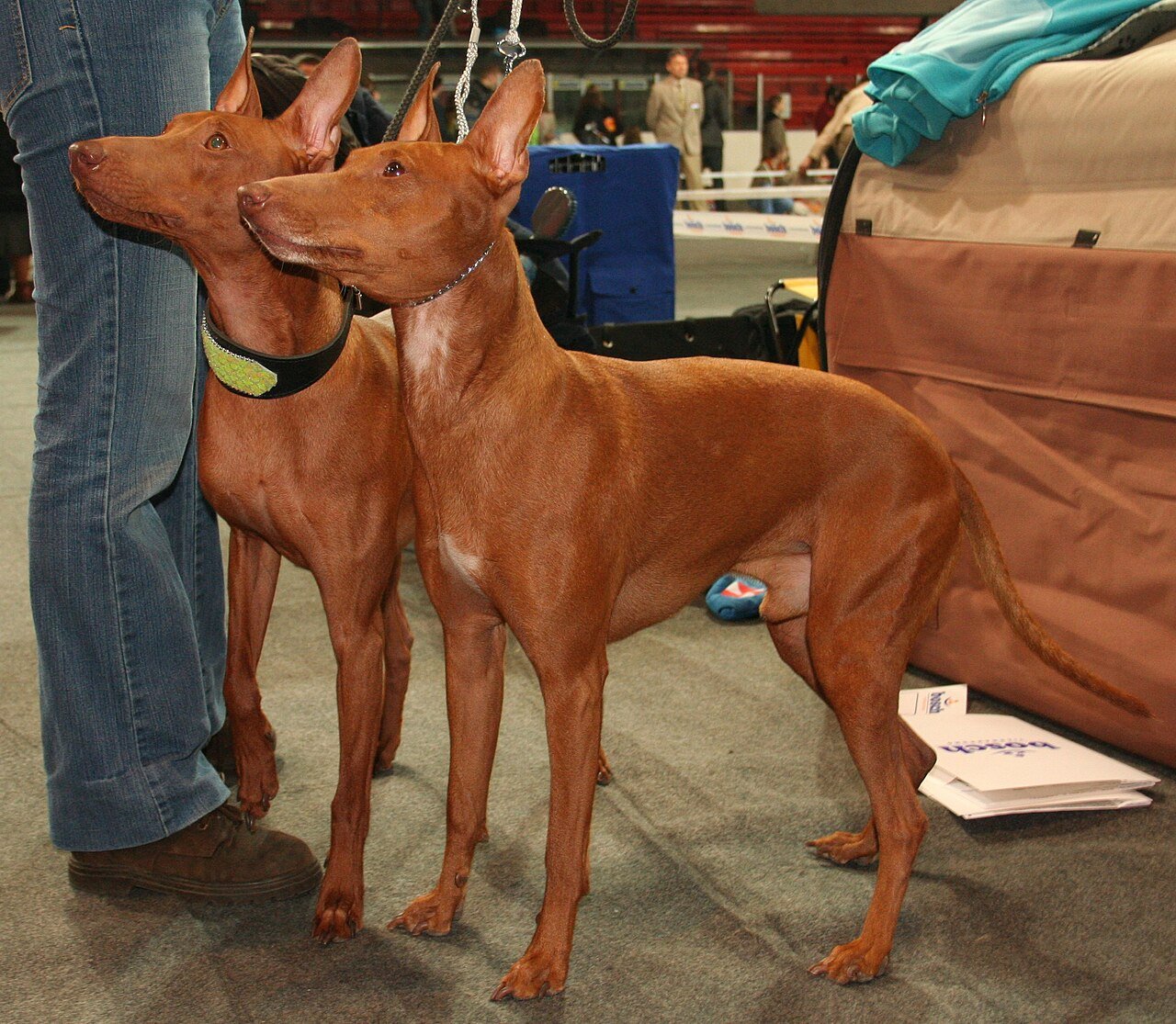
The Cirneco dell'Etna is a Sicilian hunting hound associated with rabbit work on the rocky slopes around Mount Etna. Ancient Mediterranean connections are often proposed, but precise ancestral routes remain uncertain. Its light, agile outline and erect ears accompany a practical hunter, not merely a miniature version of another sighthound.
Training & behavior
Practice recall in a secure area and reward turning away from movement before testing harder distractions. Keep outings leashed where rabbits or cats could trigger pursuit. Introduce small household animals behind barriers and supervise carefully; affection toward familiar people does not predict hunting responses. Use gentle, varied lessons rather than repeated physical correction.
Daily needs & enrichment
Combine sniffing walks, safe free movement in a fenced area, and short tracking or lure-sport foundations. Inspect the ground before fast turns and build fitness rather than starting with repeated full-speed chases. Adjust for heat, cold, age, and the individual's condition. A lightweight dog still needs protection from rough footing and fatigue.
Coat care
A weekly soft-bristle brush or hound glove is enough for routine loose hair and dirt. Use a light touch on the fine coat and inspect the thin ear edges, toes, and belly after rocky or brushy outings. Routine clipping, stripping, and sharp undercoat tools are unnecessary.
Give an occasional bath when dirty, rinse dog shampoo thoroughly, and towel-dry gently. Keep water out of the ear canals and let the remaining moisture dry in comfortable surroundings before going outside in cold conditions. Avoid vigorous rubbing of irritated skin or cosmetic products intended to change the coat's natural texture. Persistent itching or ear discharge deserves investigation.
Living Environment & Daily Needs
Provide secure opportunities for a Cirneco to use its athletic ability, then a quiet place for familiar company. Hunting interest should shape boundaries and outings; a close bond does not guarantee that the individual will ignore a chase.
Practical question
Can a closely bonded Cirneco be trusted around a sudden chase?
A strong relationship does not reliably suppress hunting. Use fencing or a leash rather than making safety depend on one recalled response.
Plan care for the individual dog
Budget, time alone and household compatibility depend on the individual dog and your circumstances. Use our care budget guide, time-alone planning guide and questions before adopting alongside the breed-specific source information above.
Health questions for a veterinarian
The reviewed club statement did not specify a breed screening panel; that is not proof that inherited disease cannot occur. Request health records for the individual and older relatives, and let a veterinarian select further tests when history or examination warrants them. Check feet after rough-ground running, and investigate persistent limping or a painful nail. Weight loss, reduced stamina, or a change in vision should not be dismissed because the breed has a reputation for hardiness. Maintain prevention appropriate to local parasite exposure.
Editorial update: October 24, 2026. General information; individual care requires veterinary assessment. No veterinary review is claimed. See our Editorial Policy for sourcing and review practices.