A burst of fireworks interrupts a quiet evening, and your dog disappears behind the couch. Another dog might pace, shake, or press against your legs. If you are asking, “why are dogs scared of fireworks?” the answer usually involves sudden, unpredictable noise, unfamiliar sensory cues, and the individual dog’s experiences.
Understanding why dogs are scared of fireworks makes it easier to respond with patience. You can help by preparing a secure indoor retreat, reducing noise and flashes, offering reassuring company, and arranging veterinary support when needed. The goal is a dog who feels safer, even if the celebration outside continues. Here is a practical plan for tonight and the weeks before the next display.
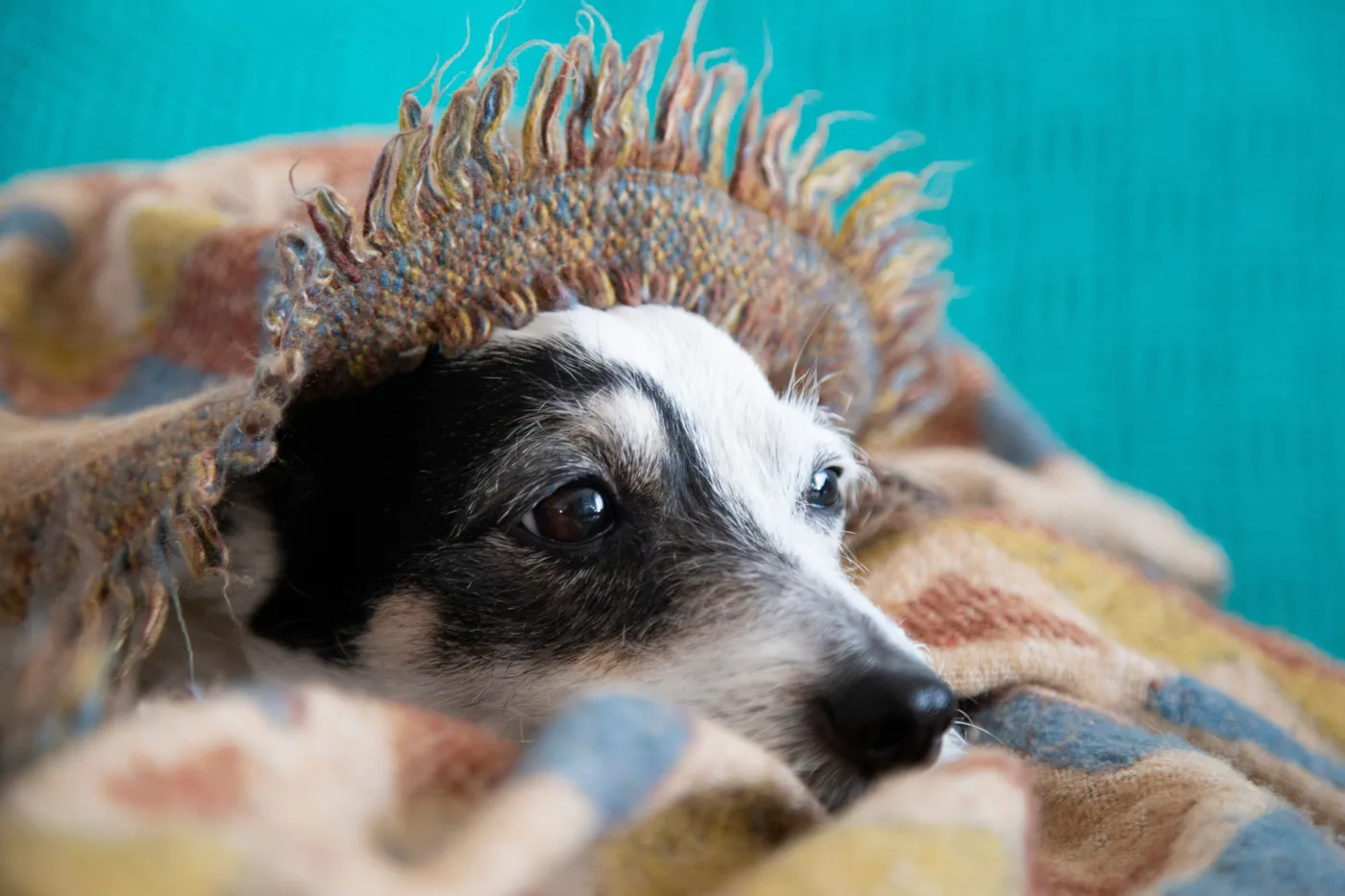
Why Are Dogs So Afraid of Fireworks?
Sensitive hearing
Dogs can detect higher frequencies than people, and their sensitivity varies with frequency, age, and health. That does not mean every sound is a fixed number of times louder to a dog. Fireworks create abrupt, intense sounds that can be startling regardless of pitch. AKC’s noise-sensitivity guidance explains how hearing, health, and experience influence reactions.
Unexpected loud noises
A dog cannot read the holiday calendar or predict the next explosion. Irregular bangs offer little opportunity to anticipate what happens next. The noise may trigger an urge to escape, even in a familiar home. Quiet gaps between explosions do not necessarily mean your dog has recovered.
Bright flashes and vibrations
Flashes, smoke odors, and vibrations can add to the experience. Some dogs react to the whole event rather than sound alone. A recording played indoors cannot reproduce all these cues, which helps explain why success with recorded sounds may not transfer completely to real fireworks.
Previous negative experiences
A frightening display can teach a dog to anticipate danger when similar sounds return. Fear may also spread to related situations, such as going outdoors after dark. However, dogs afraid of fireworks do not necessarily have a history of mistreatment; fear can develop without known trauma.
Individual temperament, age, and health
Genetics, early learning, and general anxiety can affect responses. Pain and age-related changes may also matter. Two dogs living together can need different support. A sudden change in a previously comfortable dog deserves a veterinary check rather than an assumption that they are becoming difficult.
Signs Your Dog Is Afraid of Fireworks
Look at the whole pattern and compare it with your dog’s usual behavior. A dog who freezes silently may be frightened despite never barking. These observations can guide your response; they do not diagnose a disorder.
| Type | Possible signs | Helpful response |
|---|---|---|
| Posture | Tucked tail, ears back, crouching, freezing | Give space and access to shelter. |
| Movement | Pacing, hiding, clinging, escape attempts | Secure exits and offer calm company. |
| Physical | Trembling, drooling, panting without heat or exercise | Reduce stimulation; monitor closely. |
| Daily needs | Refusing food, accidents, difficulty settling | Avoid pressure; discuss persistent changes with your vet. |
The FDA describes noise aversion as a fear-based problem. Vomiting, destructive escape attempts, and prolonged distress can also occur. Physical symptoms should never automatically be attributed to anxiety.
10 Ways to Calm Your Dog During Fireworks
1. Create a safe indoor space
Choose a familiar, quiet area away from exterior windows. Add bedding and water, and let your dog explore it before the event. A crate is suitable only if your dog already finds it comfortable; confinement can increase panic in some dogs. Leave room for voluntary retreat. For apartment-specific planning, see our fireworks-season home setup guide.
2. Close windows and curtains
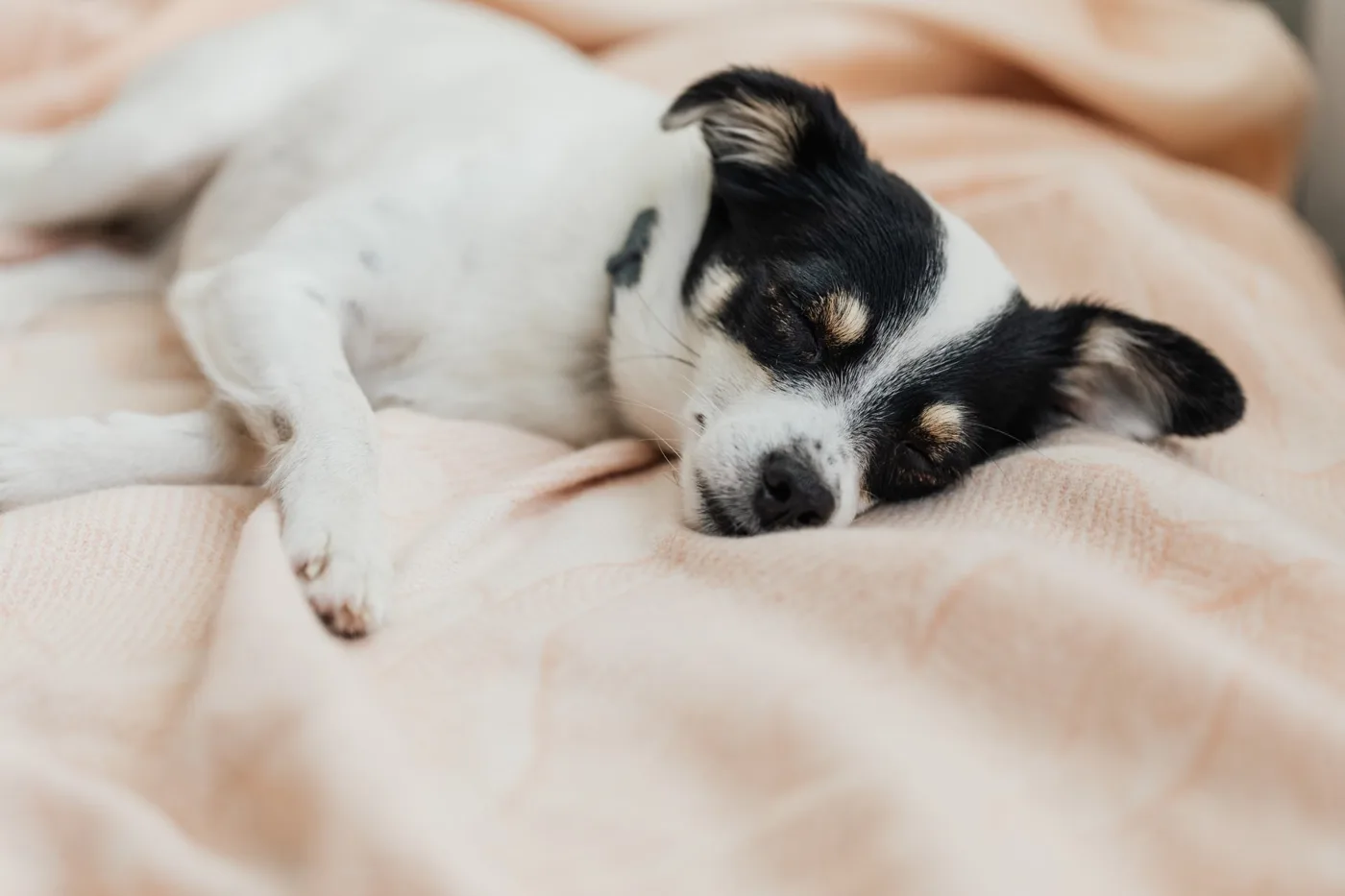
Shut exterior doors, windows, and pet doors before fireworks begin. Draw curtains to reduce visible flashes. Choose the quietest practical room while maintaining comfortable ventilation and temperature. These changes can soften the experience, but they will not make a nearby display inaudible. Check that guests understand which doors must stay closed.
3. Play calming music or white noise
Try familiar music, a fan, or steady background sound at a comfortable volume. Start before the bangs rather than suddenly adding another unfamiliar noise. Watch whether your dog settles or becomes more alert. Do not turn the volume up to overpower explosions; your aim is a gentler environment, not a louder one.
4. Offer comfort and reassurance
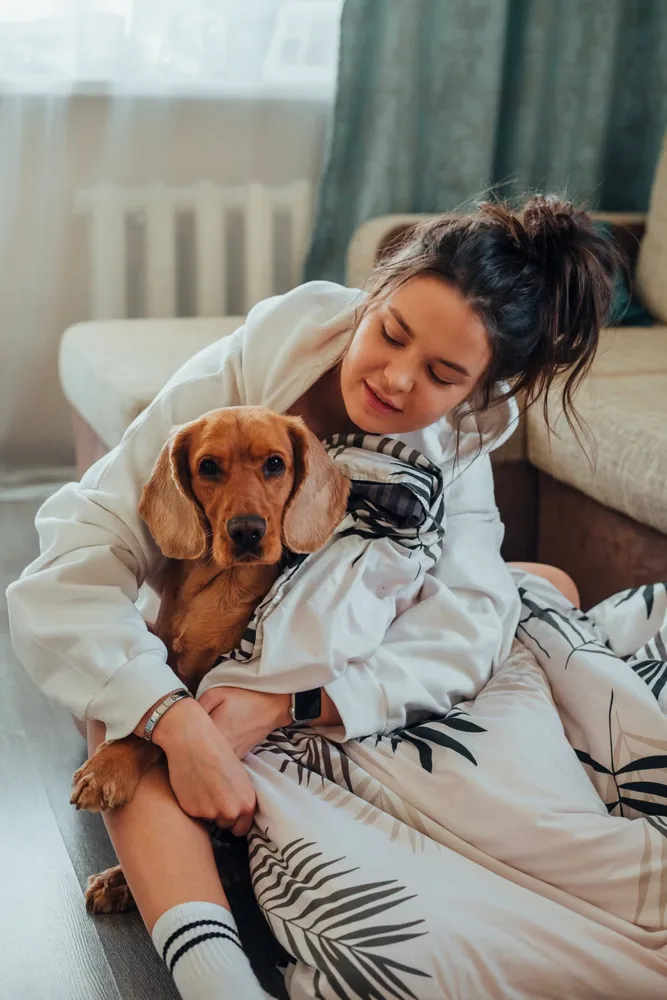
Stay nearby if possible. Speak normally and offer gentle touch when your dog seeks it. Pause if they pull away or become tense. You do not need to withhold kindness because they are frightened. AVSAB’s fireworks research summary supports offering comfort when wanted. Let a hiding dog remain in a safe spot rather than pulling them out.
5. Exercise before fireworks begin
Plan a daylight walk, sniffing time, and a bathroom break before expected displays. Match activity to your dog’s health and the weather. Exercise can meet everyday needs, but exhaustion does not treat fear. Avoid adding an unusually strenuous outing. Our guide to exercise by age, health, and lifestyle can help you plan a suitable day.
6. Use treats and enrichment activities
If your dog willingly eats, offer small favorite treats after bangs or a familiar, supervised food toy. Keep the challenge easy. Refusing food is a reason to reduce pressure, not make the puzzle harder. Our puzzle-feeder introduction guide explains a gentle starting point. Count treats toward daily food intake and use ingredients your dog can safely eat.
7. Keep your dog safely indoors
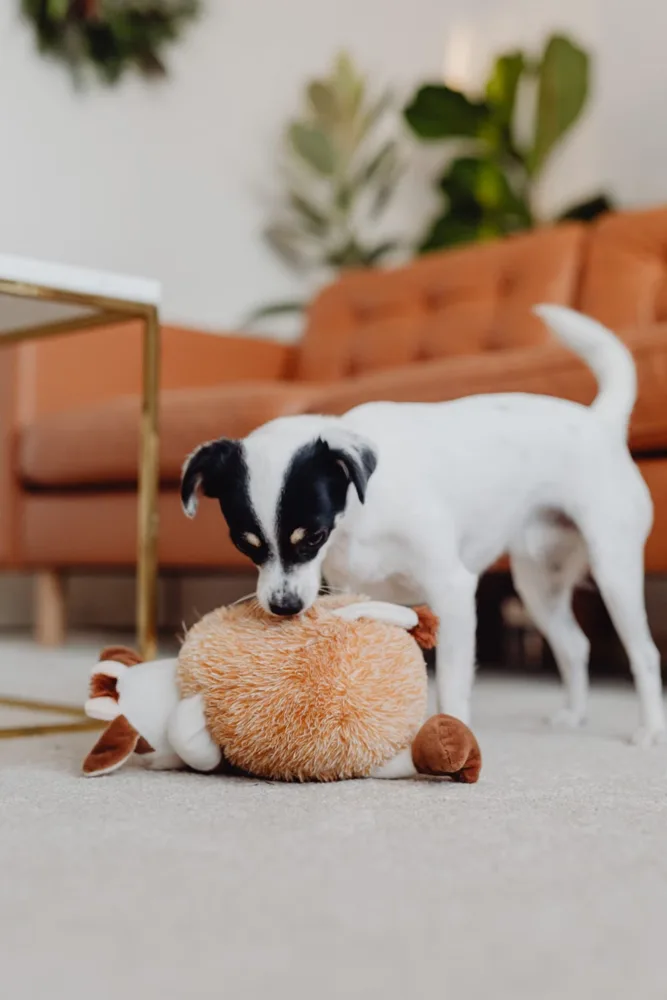
Bring your dog inside before the first expected bangs. Skip fireworks displays and avoid leaving them tied outside or waiting in a car. For essential bathroom trips, use a secure leash and well-fitted harness, even in a fenced yard. Keep trips brief and return indoors if your dog becomes frightened.
8. Check identification and microchip information
Read the phone number on the tag and confirm your details with the microchip registry. A chip helps identification when scanned; it does not track location. Save a recent photo and your emergency veterinary contact. The AVMA’s July 4 safety guidance, archived by the University of Florida, emphasizes current identification and secure surroundings.
9. Consider appropriate calming accessories
A comfortably fitted pressure wrap or dog-specific hearing protection may suit some dogs. Introduce any accessory gradually on quiet days, with rewards and the option to stop. Never force unfamiliar equipment onto a panicking dog. Follow fit instructions, supervise use, and remove it if your dog seems uncomfortable or overheated.
10. Seek veterinary guidance for severe anxiety
Contact your veterinarian before the next event if your dog panics, cannot settle, or tries to escape. Discuss health checks, behavior support, and whether prescription treatment is appropriate. Ask for a written timing and contingency plan. Medication selection and dosing require veterinary guidance; another dog’s prescription is not a safe substitute.
What to Do if Fireworks Start Unexpectedly
When the first bang catches you unprepared, focus on safety before training. Keep your movements deliberate and make the next steps simple:
- Move indoors. If outside, maintain your grip on the leash and head toward a nearby secure indoor place.
- Secure exits. Shut doors and pet flaps; ask others to avoid opening exterior doors.
- Offer a retreat. Bring water and bedding to a familiar sheltered area.
- Reduce stimulation. Close curtains and use gentle background sound.
- Stay available. Offer company and food if welcomed. Use only an existing veterinary plan for medication.
If your dog is already hiding safely, sit nearby instead of reaching into the hiding place. Avoid grabbing a frightened dog by the collar unless immediate safety requires intervention. Call your veterinarian for uncontrolled panic, injury, or concerning physical symptoms.
Can You Train Your Dog to Be Less Afraid of Fireworks?
Learning how to help dogs with fireworks starts with a realistic training plan. Many dogs can improve with patient behavior modification, but progress and support needs vary. Begin during a quiet period, well before celebrations. Work at an intensity your dog can notice while remaining comfortable.
Desensitization and gradual exposure
Desensitization introduces a trigger at a very mild level, then increases it gradually. Start a recording at low volume during a relaxed moment. Keep sessions short and allow your dog to leave. Increase the challenge only after repeated comfortable sessions; change one element at a time.
Counterconditioning and positive reinforcement
Counterconditioning pairs the sound with something enjoyable, such as a favorite treat. For example, a quiet bang predicts a small piece of food. Positive reinforcement can also reward voluntary mat resting or checking in with you. These are complementary tools, not demands that your dog perform while terrified.
AKC’s loud-noise guidance describes gradual sound practice and notes that established fear may take weeks or months to improve. If your dog stiffens, hides, pants, or stops eating, stop and make the next session easier. Never use intense sound exposure to make a dog “get used to it.”
When professional support helps
Seek a veterinary behaviorist or qualified reward-based behavior professional for severe reactions, worsening fear, or stalled progress. Real fireworks include cues recordings cannot reproduce. Professional support can help bridge that gap without deliberately provoking panic.
Common Mistakes Dog Owners Should Avoid
- Punishing fear. Shouting or correcting barking adds another unpleasant event. AVSAB recommends reward-based training and advises against aversive methods.
- Forced exposure. Taking a frightened dog to a display or blasting recordings can intensify distress.
- Restraining for comfort. Tight hugs, blocked escape routes, or unfamiliar confinement may remove the dog’s ability to choose safety.
- Self-medicating. Human sleep aids, leftover prescriptions, and combinations of calming products require veterinary assessment, not experimentation.
- Waiting for another crisis. Record what happened and arrange support while there is time to prepare.
Do Anxiety Vests and Calming Products Really Work?
Results vary, and marketing promises often exceed the evidence. A controlled pressure-vest study summarized by the University of Helsinki found limited behavioral changes without a clear therapeutic effect. A vest should be an optional addition to a broader plan.
Pheromones, supplements, and other calming products also have variable or limited supporting evidence. Owner reports are useful clues but cannot establish that a product caused improvement. Ask your veterinarian about evidence, ingredients, interactions, and your dog’s health before choosing an ingestible product. “Natural” does not guarantee safety or effectiveness.
Can Fireworks Anxiety Get Worse With Age?
Yes, some dogs become more fearful over time, although worsening is not inevitable. Repeated frightening experiences can contribute. Pain, sensory changes, and cognitive problems may affect an older dog’s ability to cope.
The ASPCA’s guidance on older dogs recommends investigating behavioral changes for treatable medical causes. Watch for stiffness, confusion, disturbed sleep, or new accidents. Make the retreat easy to reach, with comfortable footing and bedding, while your veterinarian evaluates the change.
When Should You Contact a Veterinarian?
Fireworks noise phobia in dogs deserves professional support when fear disrupts normal functioning. Schedule help for repeated trembling, prolonged panting, refusal to eat during events, destructive behavior, or fear that continues after the noise stops. New reactions and symptoms outside fireworks periods also deserve attention. Bring a short timeline and a video if you can record without adding stress.
Seek urgent veterinary care for injury, collapse, difficulty breathing, suspected ingestion of fireworks materials, or severe distress you cannot safely manage. AKC’s holiday-safety guidance highlights escape risks and hazardous debris. Save the nearest emergency clinic’s number before celebrations begin.
Fireworks Safety Checklist
| When | Your checklist |
|---|---|
| Before | Prepare retreat and water; check ID; walk early; secure exits; confirm any veterinary plan. |
| During | Stay indoors; close curtains; offer company; supervise enrichment; monitor comfort. |
| After | Check outdoors for debris; offer a quiet bathroom trip; allow rest; note recovery and follow-up needs. |
Frequently Asked Questions
Why are dogs scared of fireworks but not other noises?
Fireworks combine sudden bangs with unpredictable timing and other unfamiliar cues. A dog may tolerate steady traffic yet struggle with explosions. Responses depend on context and individual experience.
Should I comfort my dog during fireworks?
Yes, if your dog wants company or touch. Offer calm reassurance and respect their choice to hide. Avoid holding them tightly or insisting on interaction.
What is the fastest way to calm a dog during fireworks?
Move to a secure, quieter indoor area, reduce flashes, and stay available. There is no guaranteed instant solution; severe dog fireworks anxiety may need veterinary treatment.
Should I put my dog in a crate?
Only if the crate is already a comfortable refuge. Dogs who panic in confinement may hurt themselves trying to escape. Choose a safer room arrangement and ask for professional guidance.
Can I give my dog human anxiety medication?
Do not give human medication without specific veterinary instructions. Suitability, dose, timing, and interactions depend on your dog. Contact your veterinarian before giving any new medicine or supplement.
Can a puppy learn to tolerate fireworks?
Gentle, positive sound experiences may help build confidence. Keep exposure mild and enjoyable, with an option to leave. Never use a real fireworks display as a puppy’s training session.
Will my dog eventually outgrow fireworks fear?
Do not rely on that outcome. Some dogs improve with support, while others worsen. Early planning and appropriate professional care offer a better path than repeated frightening exposure.
Final Thoughts
Helping your dog starts with noticing what makes them comfortable: a quieter room, chosen company, familiar activities, or additional medical support. Prepare one manageable plan, then adjust it to the dog in front of you. Safety and comfort tonight create room for patient learning before the next celebration.
Sources and Editorial Notes
Editorial responsibility: MyPupwise. AI-assisted research and writing; no veterinarian review is claimed. Sources and photo licenses checked October 13, 2026. Photographs are illustrative and do not document clinical cases or imply endorsement. See the MyPupwise editorial policy.
- AVMA: July 4 safety, University of Florida archive.
- AVSAB: Humane Dog Training position statement and reaffirmation; fireworks treatment research summary.
- FDA: Noise aversion and prescription treatment.
- RSPCA: Pets and fireworks.
- AKC: Noise sensitivity; comfort during fireworks; coping with loud noises; July Fourth safety.
- University of Helsinki: Controlled pressure-vest study summary.
- ASPCA: Behavior problems in older dogs.
This article provides education, not a diagnosis or an individual treatment plan. Consult your veterinarian about your dog’s health, severe fear, and any medication or supplement.
General guidance does not replace individual veterinary or behavior assessment.