You get up from the couch to refill your coffee, and your dog follows you into the kitchen. A minute later, you head to the bathroom, where the same familiar nose appears at the door. If you have wondered, “Why does my dog follow me everywhere?” the answer often involves affection, security, curiosity, learned habits, or anticipation of something enjoyable.
Following is usually ordinary social behavior. The more useful question is whether your dog can also relax when you are unavailable. A loose body, easy naps, and comfortable time apart tell a different story from pacing, panic, or escape attempts. Here is how to understand the difference and help your dog feel secure.
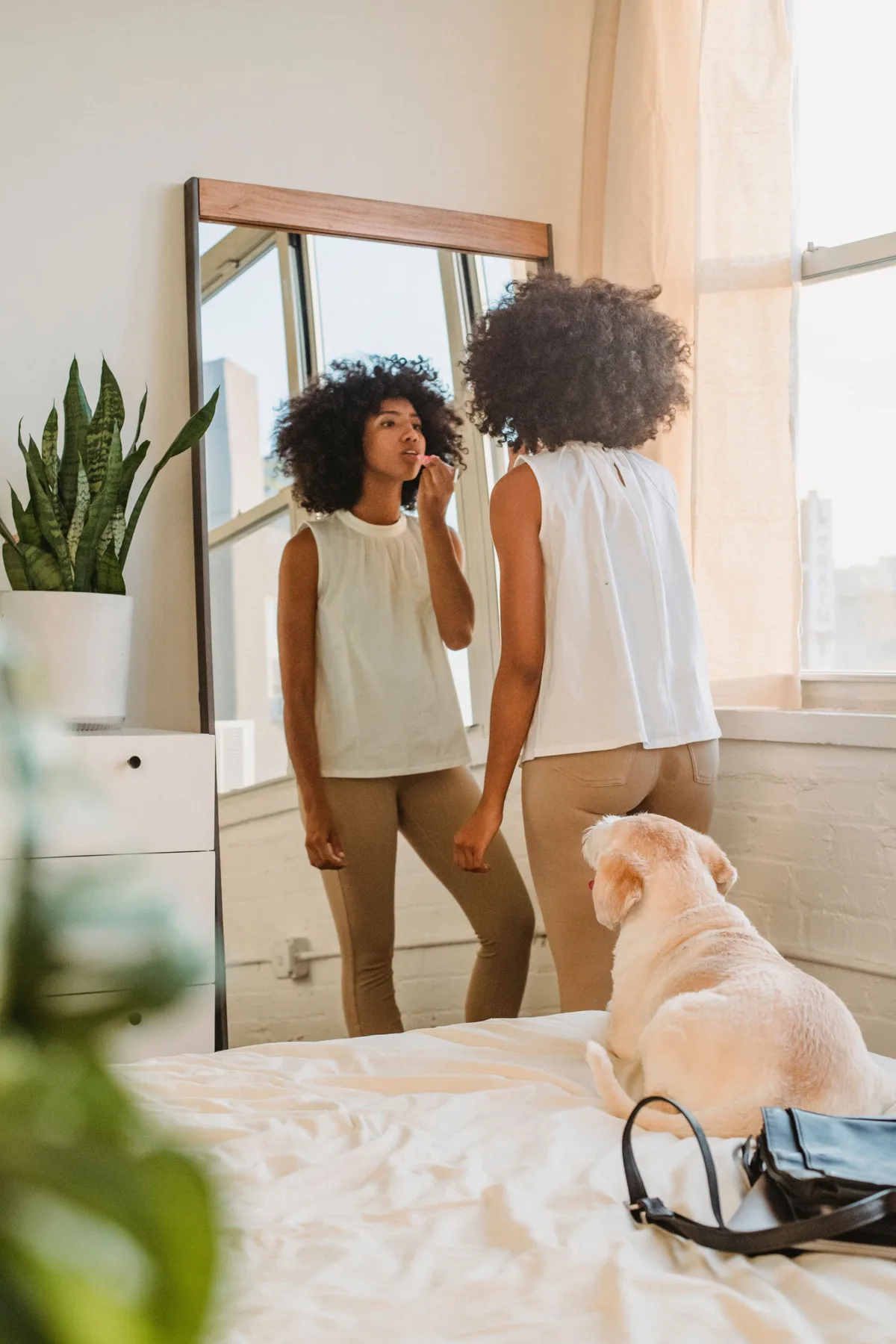
9 Reasons Your Dog Follows You Everywhere
1. Your Dog Feels Safe Around You
You provide familiar signals in a world your dog cannot always predict. Your presence may make a new room, visitor, or unfamiliar sound easier to navigate. Staying nearby can be a comfortable choice rather than evidence of a problem.
Research supports an owner-specific “secure base” effect: in a 2013 problem-solving study, dogs engaged more with a task when their owner was present. That finding helps explain the value of familiar people, but it does not establish why an individual dog follows you around the house.
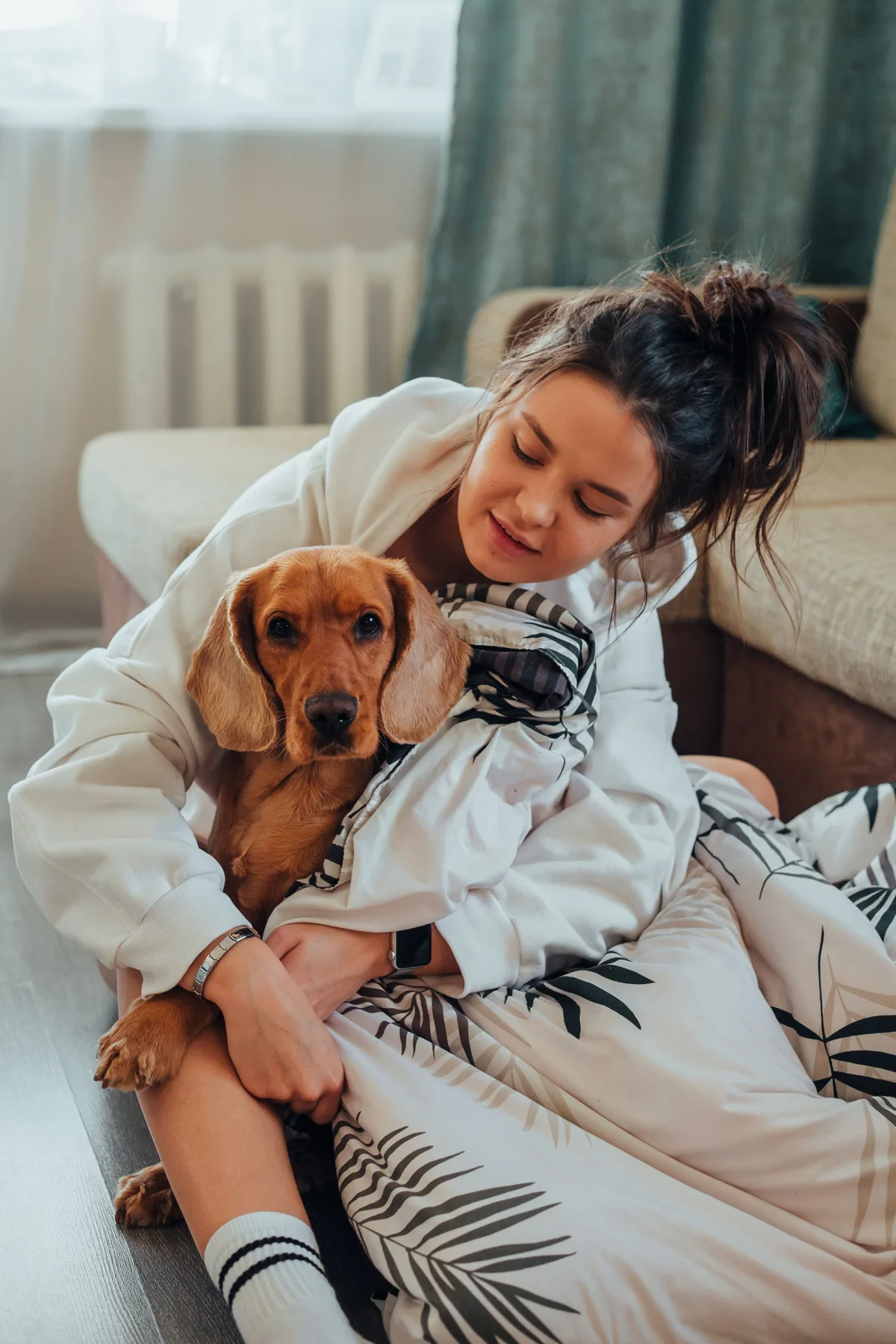
2. Following You Has Become a Rewarded Habit
Dogs repeat behaviors that lead to things they enjoy. If walking behind you often earns a scratch, conversation, a tossed toy, or a dropped snack, following can become a well-practiced habit.
You may reinforce it without noticing. For example, a dog who joins every trip to the pantry occasionally receives a treat. Those occasional rewards can keep the behavior going. There is no need to withdraw affection; simply make quiet resting rewarding, too.
3. Your Dog Knows Your Daily Routine
Putting on sneakers may predict a walk. Closing your laptop may signal dinner. Dogs learn associations between everyday cues and what happens next, so following can be an efficient way to stay involved.
Watch when the behavior occurs. A dog who trails you mainly before meals or outings may be anticipating a familiar activity. The same movement can mean different things at different times; context matters more than the number of rooms visited.
4. Your Dog Is Curious About What You’re Doing
Human activities bring changing sounds, smells, and movement. Unpacking groceries or folding laundry can be interesting even when nothing edible appears. Your dog may come over, sniff, watch briefly, and then leave.
Curiosity usually allows that flexibility. A dog who can investigate and return to a nap is showing a different pattern from one who repeatedly abandons rest and seems unable to settle whenever you move.
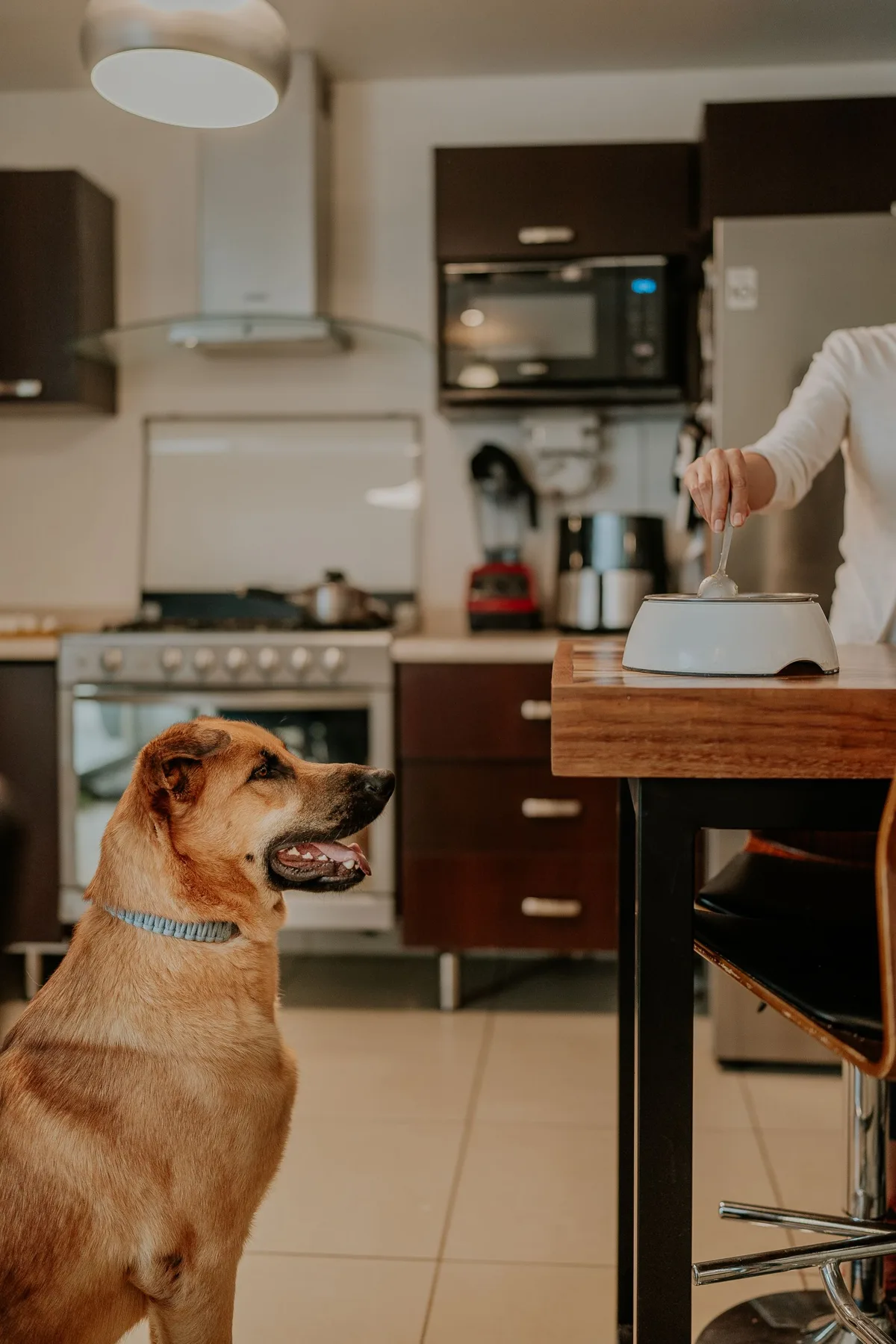
5. Your Dog Wants Attention or More Activity
Following may be an invitation to interact, especially after a quiet morning while you work. Consider whether your dog has had opportunities to sniff, move, play, learn, and spend time with you.
Match activities to age, health, and preferences. A relaxed sniffing walk or simple food-search game may be more useful than more intense exercise. However, enrichment is not a cure for panic during separation. Meeting everyday needs and treating an anxiety disorder are different tasks.
6. Breed Tendencies and Personality May Play a Role
Some dogs were historically selected to work closely with people. Retrievers and herding dogs, for example, often need to notice a handler’s movements and signals. That history may help explain attentiveness in some individuals.
It does not predict every dog’s behavior. Temperament, early experiences, health, and learning also matter. Two dogs of the same breed can differ greatly in how much proximity they prefer. Avoid treating a breed label as either a diagnosis or a guarantee of independence.
7. Changes in Your Home Can Affect Your Dog
A move, new baby, visiting relatives, or different work hours can interrupt familiar routines. Following you may give your dog access to a predictable person while the rest of the environment changes.
Keep meals, bathroom breaks, and rest opportunities reasonably consistent. Offer a quiet place away from household traffic. Notice whether the extra following eases as your dog adjusts, or instead comes with worsening sleep, appetite, or distress.
8. Your Dog May Be Seeking Reassurance
Thunder, construction noise, or an uncomfortable encounter may bring your dog closer. Look beyond proximity for trembling, a tucked tail, tense posture, hiding, or panting unrelated to heat or exercise.
Provide calm company and access to a safe retreat. Do not force your dog toward whatever frightened them. Fearful behavior deserves attention even if you remain home; it should not automatically be labeled separation anxiety.
9. Health or Age-Related Changes May Be Involved
New clinginess can accompany pain, illness, declining vision or hearing, or changes in brain function. A dog who feels uncomfortable may seek familiar company, while a dog with reduced senses may rely more on your location.
The AVMA’s senior-pet guidance identifies behavior changes as possible signs of discomfort, sensory loss, or cognitive problems. Watch for confusion, disrupted sleep, accidents, stiffness, or reluctance to be touched. Arrange a veterinary examination rather than assuming the change is simply aging or stronger attachment.
Normal Attachment or Separation Anxiety?
A dog can be very affectionate and still cope well alone. Following you is not enough to diagnose separation anxiety. The crucial information is what happens when access to you ends, including when you leave home.
VCA’s separation-anxiety guidance recommends recording behavior during absence and considering other explanations, such as outside noises or distress about confinement. These patterns are observation prompts, not diagnostic criteria:
| Situation | Often comfortable | Needs attention |
|---|---|---|
| You change rooms | Follows loosely, then settles | Paces or cannot rest |
| You prepare to leave | Watches, then resumes an activity | Trembles, pants, or becomes agitated |
| You are absent | Rests or engages with safe enrichment | Persistent vocalizing, drooling, or frantic movement |
| A barrier blocks access | Can relax after noticing it | Repeated escape attempts or self-injury |
If practical, use a camera during a normal, manageable absence. Note when signs begin, how long they last, and whether a noise or barrier triggers them. Do not deliberately provoke panic to collect evidence. Share recordings with your veterinarian; medical problems and other behavior issues can resemble separation-related distress.
Why Does My Dog Follow Me to the Bathroom?
The bathroom is another place you go, with interesting smells and a familiar routine. Your dog may simply follow the person they enjoy, expect attention, or investigate a closing door. There is no need to assume they are guarding you.
If privacy matters, practice resting on a nearby mat while you are visible before briefly closing the door. If the door triggers distress, reduce the challenge and seek help rather than repeatedly forcing separation.
Why Does My Dog Follow One Person More?
One household member may provide more walks, meals, play, or reassuring interactions. Their schedule and responses can make following them especially rewarding. Individual experiences also shape which person a dog approaches in a particular situation.
This does not prove your dog loves everyone else less. Other family members can build positive associations through gentle play, reward-based training, and predictable care without competing for the dog’s attention.
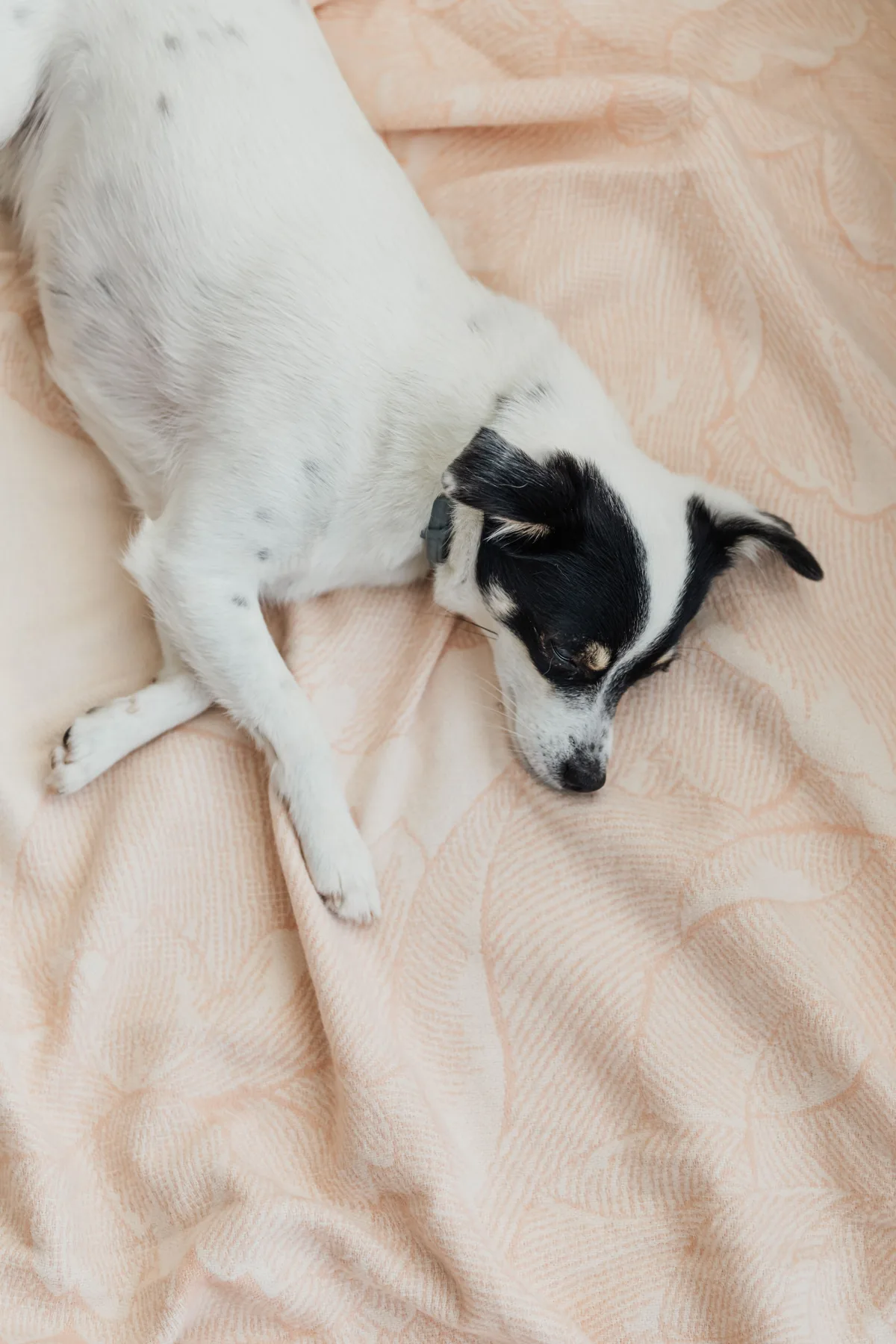
How to Help Your Dog Feel Comfortable With Independence
The goal is comfortable choice: enjoying your company while also being able to rest. For a dog who is generally relaxed, start with small changes:
- Reward spontaneous calm. Quietly deliver a treat when your dog rests on their bed, even while you sit nearby. Keep your response low-key so it does not interrupt settling.
- Create an inviting rest area. Choose a comfortable bed in a location your dog already likes. Begin near you, then introduce distance gradually rather than immediately isolating them.
- Offer suitable enrichment. Try easy food puzzles, sniffing games, or safe chews appropriate for your dog. Supervise unfamiliar items before considering whether they are safe during an absence.
- Balance connection and downtime. Provide regular social interaction, bathroom breaks, and appropriate exercise, alongside undisturbed sleep. Independence should not mean losing access to basic needs.
- Practice tiny separations. If your dog stays relaxed, take a step away and return. Progress to brief out-of-sight moments, increasing only while your dog remains comfortable.
Watch the dog, not the clock. If they become tense, stop eating, pace, or vocalize, make the next attempt easier. Never punish following or leave a frightened dog to “cry it out.” AVSAB recommends reward-based methods for training and behavior modification.
Dogs with separation anxiety need an individualized plan. Your veterinarian may recommend a veterinary behaviorist, structured behavior modification, and sometimes medication. Training alone at home is not always enough, and a crate is not a solution if confinement increases distress.
When to Get Professional Help
Contact your veterinarian for sudden changes, pain signs, altered appetite or thirst, new accidents, persistent difficulty resting, or age-related confusion. Bring a timeline of changes and any useful recordings.
Persistent barking or howling during separation, intense distress, destructive escape attempts, and self-injury also warrant prompt help. The ASPCA describes these as possible separation-anxiety signs, but an assessment must consider the whole pattern. Seek urgent veterinary care for injuries or severe physical symptoms. For ongoing behavior support, choose a qualified professional who uses humane, reward-based methods and coordinates with your veterinarian.
Frequently Asked Questions
Why does my dog suddenly follow me everywhere?
Consider recent changes in routine, household activity, frightening events, and health. A new pattern is more informative than a lifelong habit. If it persists, appears without an obvious explanation, or accompanies discomfort, appetite changes, or restlessness, schedule a veterinary examination.
Does my dog follow me because they love me?
Social attachment can be part of the explanation, but following also reflects learning, curiosity, and expectations. Look at the broader relationship: relaxed contact, play, and voluntary interaction offer more context. The behavior alone cannot measure affection or establish how your dog feels about each family member.
Why does my dog follow me and stare at me?
Your dog may be waiting for a cue, meal, walk, or response. Check the time and surrounding circumstances. A soft expression differs from a stiff body or hard stare. Avoid assuming every look means the same thing, especially if staring is new or accompanied by other changes.
Why does my dog follow me into every room?
Moving rooms may predict something interesting, and staying nearby may have become a habit. Notice whether your dog can choose to stay behind and rest. Frequent following with a relaxed body is generally less concerning than following combined with tension or distress when access is blocked.
Should I stop my dog from following me?
Usually, you do not need to stop harmless following. Teach a comfortable resting option if it creates a tripping hazard or interrupts daily tasks. Reward calm behavior and introduce boundaries gradually. If separation causes panic, address the distress with professional support instead of focusing only on stopping movement.
Why is my senior dog becoming more clingy?
Older dogs may seek more proximity as comfort, sensory abilities, or cognition change. New clinginess deserves a veterinary check, particularly with disrupted sleep, confusion, accidents, or reduced mobility. Keep the environment familiar and accessible while your veterinarian investigates; age alone does not explain every change.
Understanding Your Dog’s Need for Proximity
Following often grows from an ordinary mix of social connection, learning, and household routines. You can enjoy that companionship while giving your dog rewarding opportunities to rest independently. Let comfort, flexibility, and changes from their usual behavior guide you. A dog who needs extra support is giving you useful information, not misbehaving.
Sources and Editorial Notes
Editorial responsibility: MyPupwise. Publisher: Philipe Guida, as identified in the MyPupwise editorial policy. AI assisted research and writing. No veterinarian review is claimed. Sources and photo licenses checked October 12, 2026. The photographs illustrate everyday situations and do not document clinical cases or imply endorsement.
- Horn, Huber, and Range (2013). The Importance of the Secure Base Effect for Domestic Dogs.
- AVSAB. Humane Dog Training position statement and current reaffirmation.
- VCA Animal Hospitals. Separation Anxiety in Dogs.
- ASPCA. Separation Anxiety and Behavior Problems in Older Dogs.
- AVMA. Senior Pets.
- AKC. AKC overview of following behavior
General guidance does not replace individual veterinary or behavior assessment.