A movie can make a dog unforgettable in a few scenes. Choosing a real companion takes a different kind of attention. These ten famous dog movies and their breeds make a useful watchlist, but they also show why a character, a canine performer, and an individual pet are three different things.
Start with the identification table, then explore five pairs of films. Each pair raises an ownership question that the story cannot answer for you. This is an editorial reading of the films and their official descriptions, not a temperament assessment, a streaming-availability guide, or a recommendation to choose a dog because it resembles a star.


The ten films and the dogs to recognize
Years identify the film versions discussed here. The Lassie entry needs special care: the remake is commonly identified as 2005, while Universal’s U.S. listing gives 2006 as its release year. Animated designs do not establish a real animal’s ancestry, and a character’s breed is not necessarily a complete description of every performer used in a production.
| Film | Year | Dog or breed identification |
|---|---|---|
| 101 Dalmatians | 1961 | Dalmatians; animated Pongo, Perdita, and puppies. |
| Beethoven | 1992 | Saint Bernard; Universal identifies the breed in its collection synopsis. |
| Marley & Me | 2008 | Labrador Retriever; multiple dogs portray Marley. |
| Hachi: A Dog’s Tale | 2009 | Akita in Sony’s character description; distinguish the character from casting details. |
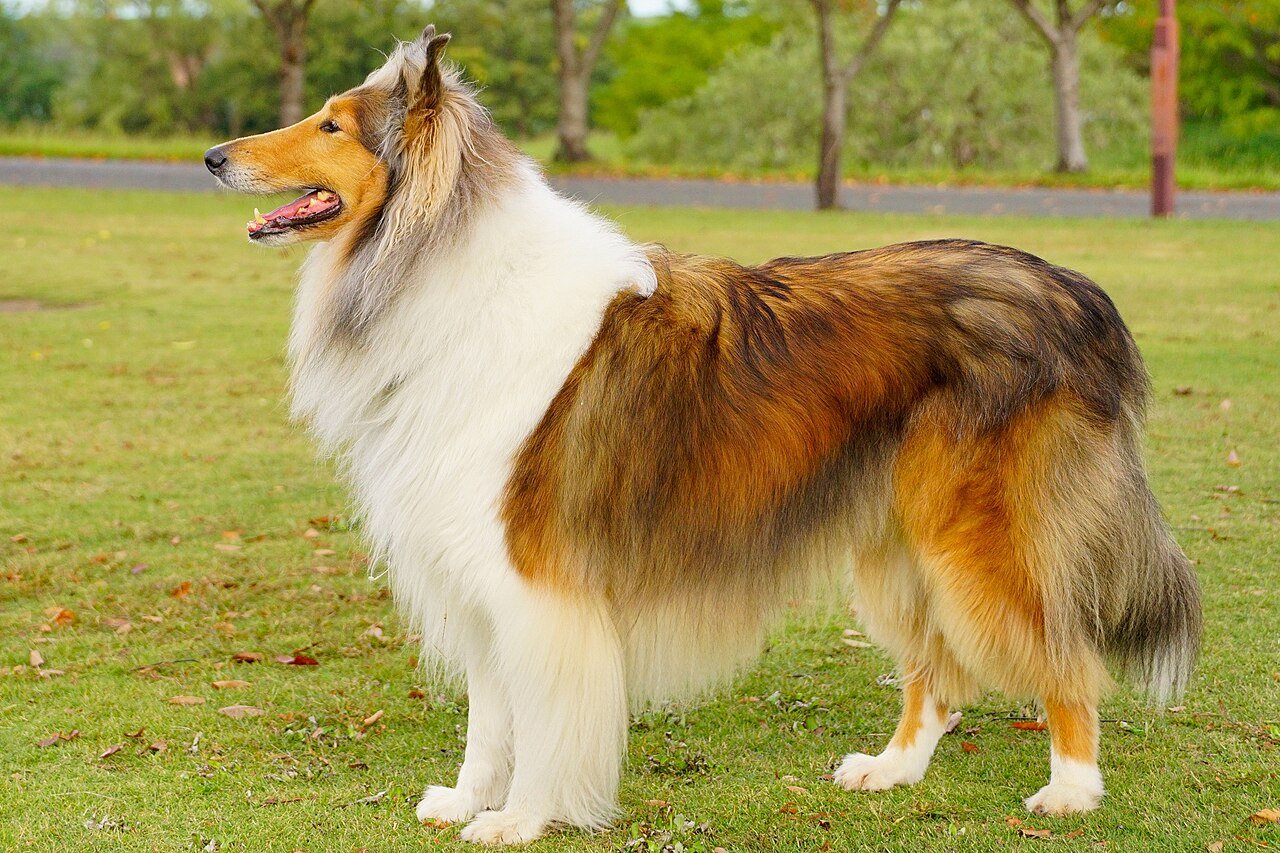
| Lassie | 2005/06 | Collie; the familiar Lassie image is the long-coated Rough Collie. |
| Air Bud | 1997 | Golden Retriever; Buddy is a fictional basketball-playing character. |
| Turner & Hooch | 1989 | Dogue de Bordeaux; AKC identifies the film’s canine star. |
| Lady and the Tramp | 1955 | Lady is a Cocker Spaniel; Tramp is mixed-breed. |
| The Secret Life of Pets | 2016 | Max is a terrier mix according to Illumination, rather than a verified purebred. |
| Togo | 2019 | Siberian Husky; Disney’s D23 identifies the lead sled dog. |
Pair 1: a memorable silhouette is an introduction, not a care plan
101 Dalmatians and Beethoven
Spots and a giant outline make these dogs immediately recognizable. Disney’s animated adventure centers on the rescue of puppies; Universal presents Beethoven’s arrival as an upheaval for the Newton household. Both films give appearance a strong storytelling role. Neither provides the practical information needed to choose an individual dog.
After watching, replace “I want that look” with a short research list. How much space will equipment occupy? Who can transport and handle the adult dog? What do the breeder, rescue, veterinarian, and breed club say about care and screening? What does the household already know about the actual candidate’s behavior? Those questions lead beyond a poster image.

For a Saint Bernard-sized companion, make the plan literal: check your vehicle, available sleeping area, equipment, and access to veterinary care. For a Dalmatian, investigate the breed’s needs rather than assuming a striking coat is the main difference from another dog. These are research prompts, not a diagnosis or a fixed exercise prescription.

Pair 2: screen behavior may be carefully constructed
Marley & Me and Air Bud
One story builds comedy around household disruption; the other imagines a Golden Retriever joining a basketball team. The contrast is entertaining, but neither “chaotic Labrador” nor “naturally gifted Golden” is a reliable prediction about a dog you meet.
The American Humane production report for Marley and Me offers a revealing view behind the fiction. Several Labradors shared the role. Trainers cued actions, props and separate shots supported scenes, and some apparent behavior depended on editing or added sound. The finished character is a production, rather than one uninterrupted record of a pet’s daily life.

Take that distinction into your own expectations. If a real dog chews household objects, pulls, or struggles to settle, look at the circumstances and seek suitable support. Do not assume the behavior is a required breed personality, and do not recreate a risky scene to see whether your dog can do it. Entertainment is not a training protocol.

For shared activities, start with the individual dog’s comfort, health, and interests. Ask about appropriate play and learning, then choose something you can do consistently. The useful takeaway from Air Bud is the appeal of participation, rather than an expectation that an ordinary companion should perform a film’s athletic trick.
Pair 3: reunion stories should send you toward prevention
Hachi: A Dog’s Tale and Lassie
Sony describes Hachi as an Akita whose bond with a professor grows into a story of loyalty. Universal’s Lassie synopsis follows a collie trying to return after being sold. These narratives make attachment vivid; they should not become a reason to test a dog’s devotion through absence, escape, or exposure to danger.
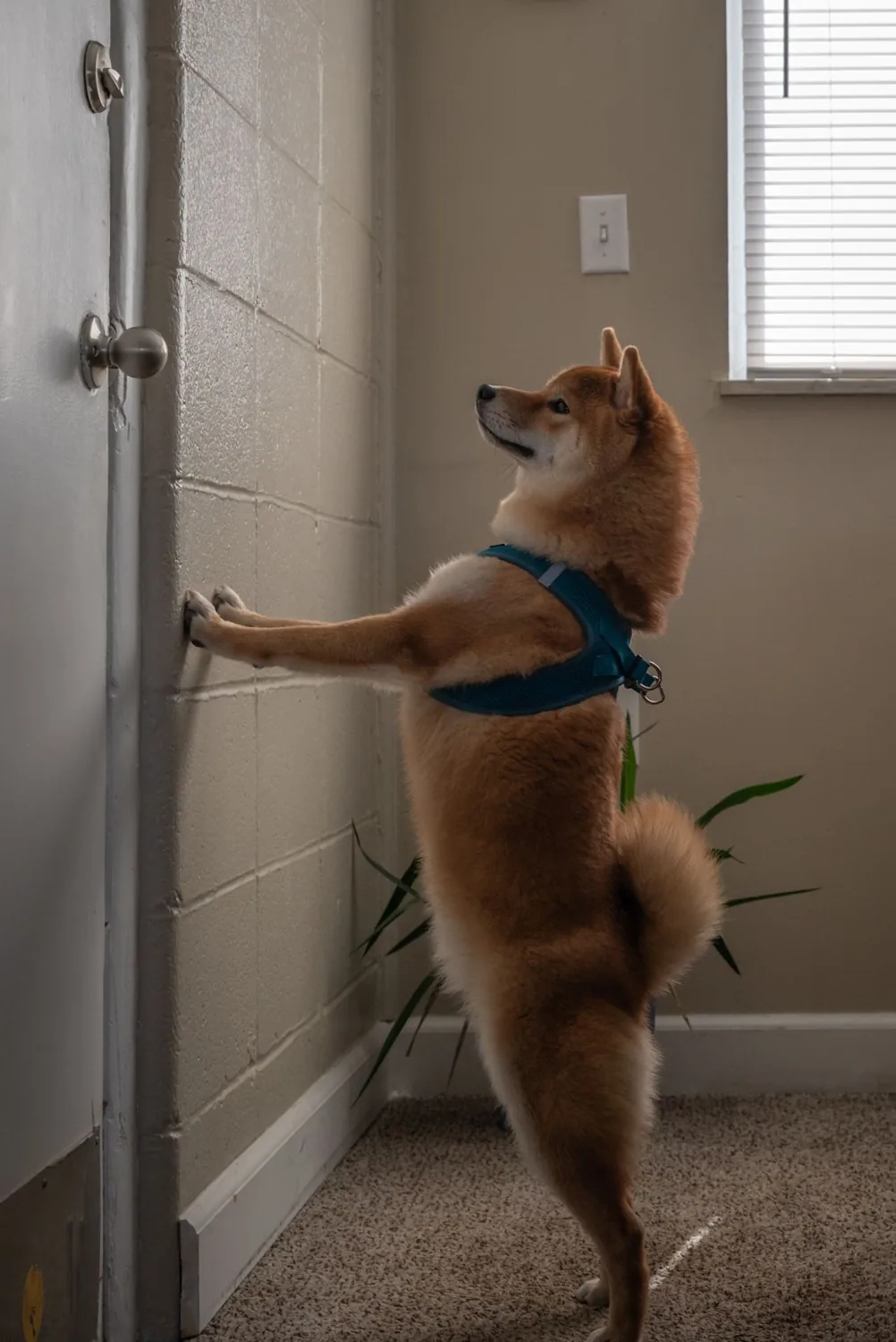
Use the emotional response as a reminder to plan secure transport, identification, supervision, and care when you are away. A story’s reunion does not predict that a lost dog will find its way home. Likewise, a moving scene of waiting should not be used to normalize distress in an actual pet.


Be precise about names. Sony’s synopsis identifies an Akita character. That does not, by itself, establish the ancestry of every animal actor. If you are researching a Japanese Akitainu or an American Akita as a companion, consult the specific breed information and meet suitable individuals rather than treating the film title as the whole description.

Lassie also belongs to a long history of adaptations. This guide discusses the remake associated with 2005, with the U.S. release distinction noted above. When comparing information online, make sure a claim refers to the same production. A fact about one Lassie film or performer should not automatically be transferred to another.

Pair 4: an unlikely partnership is still a fictional relationship
Turner & Hooch and Lady and the Tramp
Hooch’s Dogue de Bordeaux identity gives the buddy comedy a distinctive canine presence. Lady and Tramp draw a different contrast through an animated Cocker Spaniel and a mixed-breed dog. The relationships belong to their stories; breed or background does not dictate how two real individuals will relate.

With any prospective companion, ask about handling, rest, visitors, other animals, and routine care. For a large dog, consider whether all caregivers can manage the practical tasks. For two dogs, discuss introductions and resources with the people responsible for their placement. Do not assume a cinematic friendship proves that any pairing will work.

Tramp’s mixed-breed identity is also a useful corrective to treating pedigree as a prerequisite for a memorable companion. An adult dog’s observed history can be relevant to a placement. Appearance alone cannot supply missing medical or behavioral information, whether the dog has a pedigree or not.
Pair 5: the setting matters as much as the star
The Secret Life of Pets and Togo
Illumination identifies Max as a terrier mix living in Manhattan. Disney’s account of Togo identifies a Siberian Husky in the 1925 serum relay. The city apartment and the expedition provide radically different storytelling settings. Neither animated city adventures nor a dramatized working achievement measures what a particular pet will need in your home.

Max is sometimes assigned a more specific breed online, but the studio’s description is the stronger source for this fictional character. That still does not make his drawn appearance a test for identifying an unknown real dog. Keep character identification separate from ancestry claims.

For a dog that attracts you through a working story, investigate the daily routine behind the impressive event. Ask about safe containment, suitable activity, recovery, climate, and professional advice for the actual dog. Do not copy expedition distances or conditions from a drama into a companion’s exercise plan.
Use the credits as the start of your research
Choose one practical question the film raised: grooming, transport, time alone, activity, or care costs. Research that question first. Our breed catalog and comparison tool can organize information, while the dog-match quiz helps clarify preferences. None replaces assessment of an individual candidate.
For a family movie night, check the current rating, content information, and your household’s sensitivities. Dog films can include separation, peril, illness, or loss. This list does not guarantee that every title is suitable for every child or that a particular service currently carries it.
Research notes and photograph credits
Sources checked November 21, 2026: the linked Disney, Universal, 20th Century Studios, Sony, Illumination, and D23 pages for film identification and descriptions; American Humane’s production report for Marley and Me; and AKC’s Dogue de Bordeaux article for Hooch. The paired readings and ownership questions are MyPupwise editorial analysis, not statements endorsed by the studios.
Photographs illustrate breeds or themes. They are not movie stills, pictures of the animal performers, or evidence that a particular dog appeared in a film. Original creator and license links remain in each caption; the Shiba Inu thematic image is explicitly distinguished from Hachi. See our editorial policy for our research approach.
General guidance does not replace individual veterinary or behavior assessment.