If you are researching the fastest-growing dog breeds in America 2026, the headline is clear: Pomsky leads Rover’s national growth ranking. Rover’s list measures year-over-year growth inside its own U.S. dataset, not every dog living in America and not the total population of each breed. The more useful question is what these trends might mean for a real household.
This guide reviews the 10 breeds gaining momentum, then translates the numbers into everyday decisions about exercise, grooming, training, space, and time. Some are compact companions; others are athletic herders or working dogs. Treat the ranking as a way to notice changing attention—not as a shortcut to choosing a dog.
Before deciding, compare your weekday, care coverage, budget, grooming tolerance, and willingness to train with the breed’s needs.
What are the fastest-growing dog breeds in America in 2026?
According to Rover’s 2026 U.S. trending-breed data, the fastest-growing breeds are Pomsky (+13%), Toy Poodle and Bernedoodle (+7% each), Miniature Poodle, Dachshund, and English Cocker Spaniel (+6%), Miniature American Shepherd (+5%), Cavalier King Charles Spaniel (+4%), and Cardigan Welsh Corgi and Dutch Shepherd Dog (+3% each).
At a glance
| Rank | Breed | YoY Growth | What Owners Should Know |
|---|---|---|---|
| 1 | Pomsky | +13% | Small, bright, energetic, and not low-maintenance. |
| 2 | Toy Poodle | +7% | Compact and trainable, with regular coat care. |
| 3 | Bernedoodle | +7% | Size and coat can vary; plan for grooming and training. |
| 4 | Miniature Poodle | +6% | Active, clever, and dependent on engagement. |
| 5 | Dachshund | +6% | Small body, big opinions, and back-care considerations. |
| 6 | English Cocker Spaniel | +6% | Sporting energy plus ears and coat to maintain. |
| 7 | Miniature American Shepherd | +5% | Compact herder needing movement and mental work. |
| 8 | Cavalier King Charles Spaniel | +4% | Affectionate companion; health screening matters. |
| 9 | Cardigan Welsh Corgi | +3% | Sturdy herder with shedding and exercise needs. |
| 10 | Dutch Shepherd Dog | +3% | Serious working drive; best with experienced structure. |
1. Pomsky: 13% Growth
Rover recorded 13% year-over-year growth for the Pomsky, the fastest rise in its national trending list. A Pomsky is a Husky–Pomeranian mix, so adult size, coat, and behavior can be less predictable than a standardized purebred. Many are small to medium, alert, social, and energetic. Expect daily walks, play, and training rather than a decorative lapdog routine. A dense coat may shed heavily and needs brushing. Recall can be difficult when curiosity or chase instincts take over. Its compact frame and dramatic Husky-like appearance may help explain the interest, but prospective owners should prioritize breeder transparency, adult-size expectations, and a plan for enrichment.
2. Toy Poodle: 7% Growth
Toy Poodle also grew 7% in Rover’s data. Usually under 10 inches at the shoulder, this is a small dog with a surprisingly active mind. Toy Poodles can adapt well to different household routines when they receive consistent exercise, training, and mental stimulation. Their curly coat is low-shedding for many households but requires regular brushing and professional grooming. Small size does not remove the need for socialization or patient boundaries. Interest may reflect the combination of portability, intelligence, and an expressive companion temperament. Ask whether your routine can provide engagement without treating a tiny dog as a toy.

3. Bernedoodle: 7% Growth
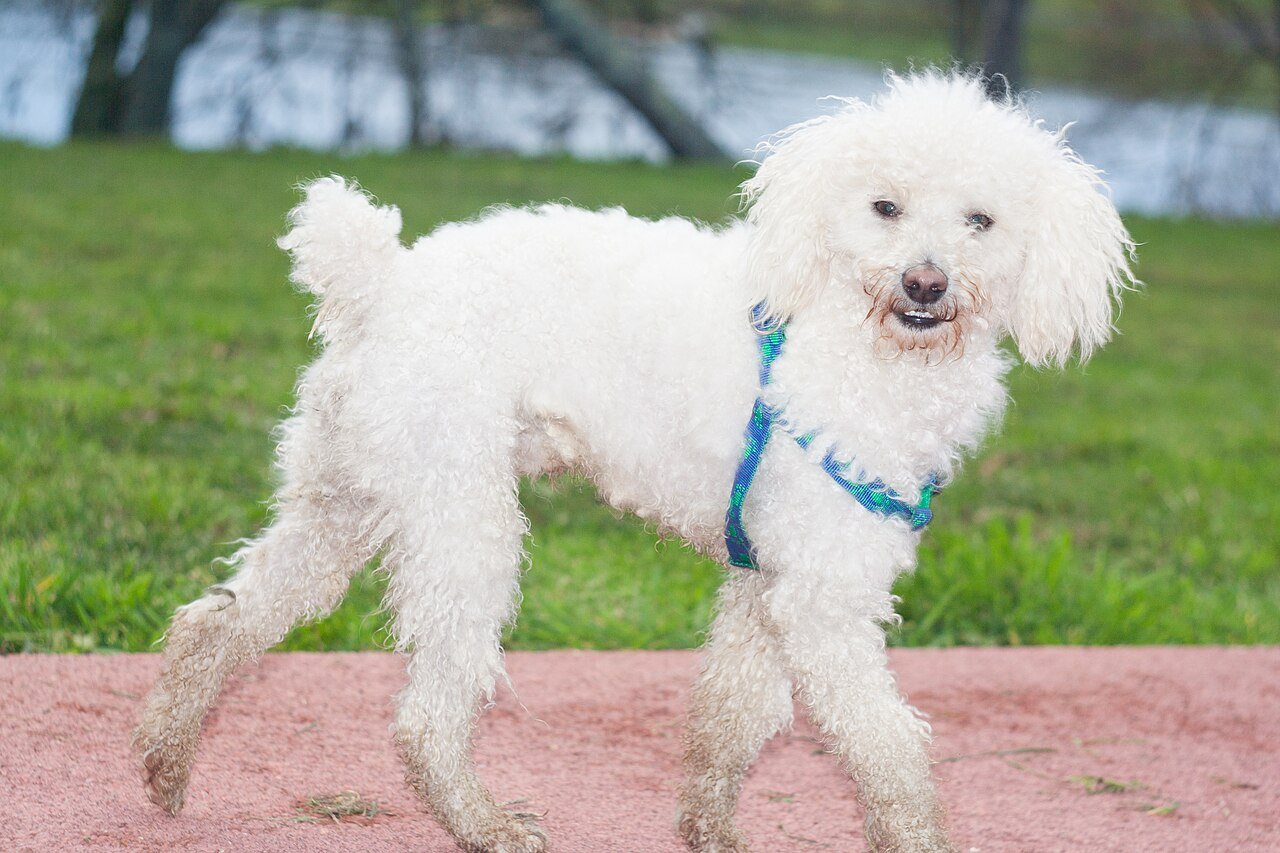
Bernedoodles rose 7%. This Bernese Mountain Dog–Poodle mix can range from small to large depending on the parents, and coat texture varies too. Many are people-oriented and playful, but a mix is not a guaranteed blend of the parent breeds. Plan for puppy training, social exposure, brushing, and grooming appointments. Larger individuals need more space and joint-friendly exercise; smaller ones still need daily activity. Poodle-mix visibility may be one reason for increasing attention, especially among people seeking a companion with a curly or wavy coat. Evaluate the actual adult-size range and health testing before falling for a label.
4. Miniature Poodle: 6% Growth
Miniature Poodle gained 6%. Typically 10 to 15 inches tall, it is athletic, highly trainable, and often happiest when included in activities. A brisk walk plus scent games, trick training, or another hobby can be more satisfying than miles of repetitive exercise. The coat needs consistent brushing and clipping. Boredom can show up as nuisance behavior, so a busy household may be a good fit if it also offers calm routines and boundaries. Its versatility and low-shedding coat may contribute to the trend, but those benefits come with a real grooming and mental-stimulation budget.
5. Dachshund: 6% Growth
Dachshunds grew 6% and also appear among Rover’s broader popular breeds. Their small stature makes them appealing to many homes, yet the long-backed body requires sensible handling. They tend to be bold, curious, and persistent, with energy that may be underestimated because of their size. Short walks, sniffing, play, and reward-based training suit many individuals. Protect stairs and discourage repeated jumping where practical; ask a veterinarian about weight management. Their distinctive silhouette and big personality may be driving interest. A good match is a household ready for a small dog that still needs boundaries, activity, and patient house training.

_(Dachshund_(Short)).jpg)
6. English Cocker Spaniel: 6% Growth
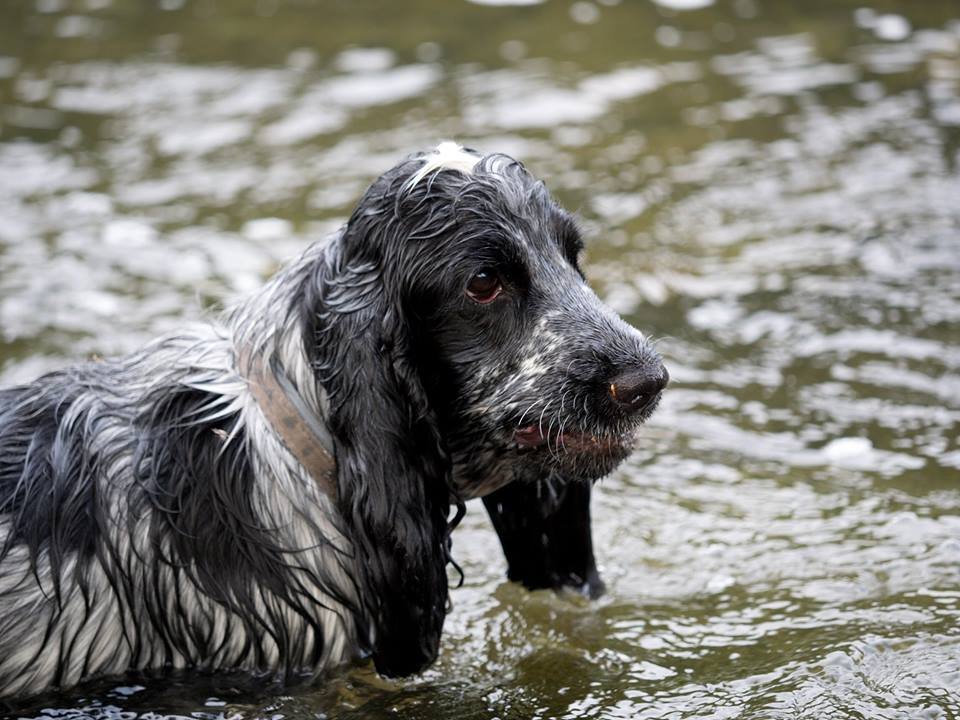
English Cocker Spaniel also recorded 6% growth. This medium-sized sporting breed is often cheerful, affectionate, and ready to use its nose. Daily movement and opportunities to explore are important, while training should channel enthusiasm into polite habits. The feathered coat needs brushing, and ears deserve routine checks because their shape can reduce airflow. A family that enjoys walks, games, and gentle consistency may be well suited. Ask whether you can offer regular activity and coat care throughout the year.

7. Miniature American Shepherd: 5% Growth
Miniature American Shepherd rose 5%. Often around 13 to 18 inches tall, it is a compact herding dog rather than a low-effort companion. Expect alertness, athleticism, and a need for both physical outlets and problem-solving. Training can be rewarding because many enjoy learning, but without direction they may invent jobs such as chasing movement or managing household traffic. The double coat sheds and needs brushing. Its smaller package may make a herding breed feel accessible to more households, yet the lifestyle requirement remains real. Consider dog sports, structured walks, and calm socialization.
8. Cavalier King Charles Spaniel: 4% Growth
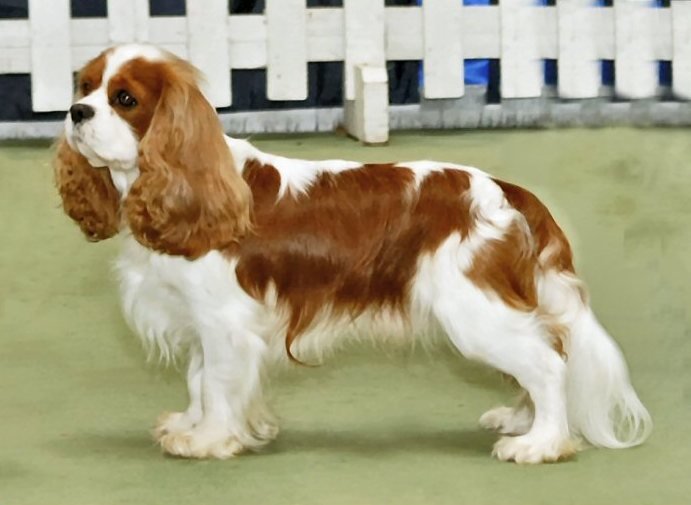
Cavalier King Charles Spaniel grew 4%. This small companion is often affectionate, adaptable, and eager to stay near its people. Gentle daily walks and interactive time usually matter more than intense endurance exercise, though individuals vary. The silky coat needs brushing, and responsible prospective owners should discuss breed-associated health concerns and screening with breeders or rescue organizations. Rising interest may come from the breed’s friendly expression and companion scale. Do not confuse an easygoing reputation with zero needs: Cavaliers can struggle with isolation, weight gain, or poor socialization. Plan for company, preventive care, and steady routines.

9. Cardigan Welsh Corgi: 3% Growth
Cardigan Welsh Corgi recorded 3% growth. This sturdy, long-bodied herding breed is often intelligent, observant, and vocal, with more athletic ability than its short legs suggest. Daily walks, play, and training help prevent under-stimulation. The dense coat sheds, so household tolerance for hair matters. Manage jumping and weight thoughtfully, and provide secure boundaries for a dog that may notice every sound. Its distinctive shape and the wider public familiarity with corgis may support interest, but a Cardigan is not simply a small plush dog. It suits owners who enjoy an engaged, opinionated companion.
10. Dutch Shepherd Dog: 3% Growth
Dutch Shepherd Dog rose 3% and is the most overtly working-oriented breed in this top 10. Often medium-sized, athletic, and intensely engaged with its handler, it typically needs purposeful exercise, training, and clear structure. Coat varieties differ, but routine grooming is still part of ownership. Interest in guardian and working breeds may be growing, but that interpretation is not proof of why any individual chose one. Seek experienced guidance, evaluate temperament carefully, and plan for safe outlets for drive.
What America’s Fastest-Growing Dog Breeds Tell Us About Owners in 2026
The list spans small companions, Poodle-related dogs, a long-backed hound, sporting breeds, herding dogs, and a serious working dog. Attention is spreading across compact companionship, trainability, recognizable looks, and athletic partnership.
Trend data needs context. A 13% increase for Pomskies is not millions of dogs, and a 3% increase for Dutch Shepherds does not establish first-time-owner suitability. Mixed breeds vary in size, coat, and behavior, while purebred predictability is not a temperament guarantee.
Use the ranking as a shortlist for questions. How much exercise can you provide on an ordinary week? What grooming can you afford? Can you arrange training, enrichment, and care when work changes? Does the adult size fit your home, travel plans, and budget? The winning choice is the breed or individual dog whose needs match your routine—not the one moving fastest on a chart.
Trending Doesn’t Always Mean Right for You
Choose from the life you can reliably offer, not from the excitement around a breed. Start with exercise, alone time, grooming, training, noise, size, and health planning. Then compare those needs with your household’s schedule, space, budget, and experience. A trending breed may be a great match for one home and an exhausting mismatch for another.
MyPupwise can help you move from inspiration to practical fit. Take the MyPupwise Dog Breed Quiz to describe your routine, use the Breed Comparison tool to put tradeoffs side by side, and browse the Dog Breed directory for deeper profiles. None replaces meeting an individual dog or getting professional advice, but each can make the next question more useful.
Frequently Asked Questions
What is the fastest-growing dog breed in America in 2026?
The Pomsky is the fastest-growing breed in Rover’s 2026 U.S. trending list, with 13% year-over-year growth. That figure describes growth within Rover’s dataset, which has its own inclusion rules; it does not mean Pomskies are the most numerous dogs in America or the best match for most households.
Which dog breeds are becoming more popular in 2026?
The 10 breeds in this ranking are the dog breeds gaining the most momentum in Rover’s 2026 U.S. data: Pomsky, Toy Poodle, Bernedoodle, Miniature Poodle, Dachshund, English Cocker Spaniel, Miniature American Shepherd, Cavalier King Charles Spaniel, Cardigan Welsh Corgi, and Dutch Shepherd Dog.
Is the Pomsky the most popular dog breed in the U.S.?
No. The Pomsky leads Rover’s fastest-growing list, not its overall popularity list. A growth ranking tracks how quickly representation changed year over year. Overall popularity tracks total volume in a dataset. Those are different measurements, so a breed can be rising quickly without being the most common.
Why are Poodles and Poodle varieties gaining popularity?
Poodles and Poodle mixes may attract attention because they combine recognizable looks, trainability, and a coat many people perceive as lower-shedding. Those qualities do not remove grooming, exercise, or training needs. Coat type and temperament can vary, especially in mixes, so evaluate the individual dog and the care you can provide.
How should I choose a dog breed that fits my lifestyle?
Start with your real routine: exercise time, workday absences, home size, grooming budget, training willingness, and desired adult size. Compare those constraints with breed tendencies, then meet individual dogs and ask about health and behavior history. A quiz or comparison tool can organize the decision, but lifestyle fit should lead.
Methodology note
This ranking is based on Rover’s 2026 U.S. platform data and reflects year-over-year growth within that dataset. Rover states that its national trending list uses a minimum of 1,000 new pets added per breed and excludes non-designer mixed breeds. It should not be interpreted as a full census of U.S. dog ownership or total breed population.
Final thoughts
Dog breed trends in 2026 are useful signals about what people are noticing, from compact Poodle varieties to active herders and working dogs. They are not compatibility scores. The right next step is to compare energy, grooming, training, adult size, mental stimulation, and care needs with the life you can sustain.
Explore individual breed profiles, take the quiz, and use the comparison tool when you want a clearer shortlist. Trends are interesting; lifestyle fit matters more.
General guidance does not replace individual veterinary or behavior assessment.